What Happened
During a recent interview with the News Agency of Nigeria, Dr Nosa Ehigie revealed that Lassa fever is routinely misdiagnosed as malaria in its initial phase. The two illnesses present with overlapping symptoms, fever, headache, weakness, and joint pain, making clinical differentiation challenging without laboratory confirmation. This diagnostic ambiguity is particularly dangerous in Nigeria, where Lassa fever is endemic and malaria remains the leading cause of outpatient visits.
Ehigie emphasized that the delay in accurate diagnosis allows the virus to progress unchecked. While malaria can be managed with oral medications, Lassa fever requires early administration of ribavirin, an antiviral drug most effective when given within the first six days of symptom onset. Beyond this window, the virus can trigger severe complications, including bleeding disorders, multi organ failure, and neurological damage.
Why Public Health Officials Are Concerned
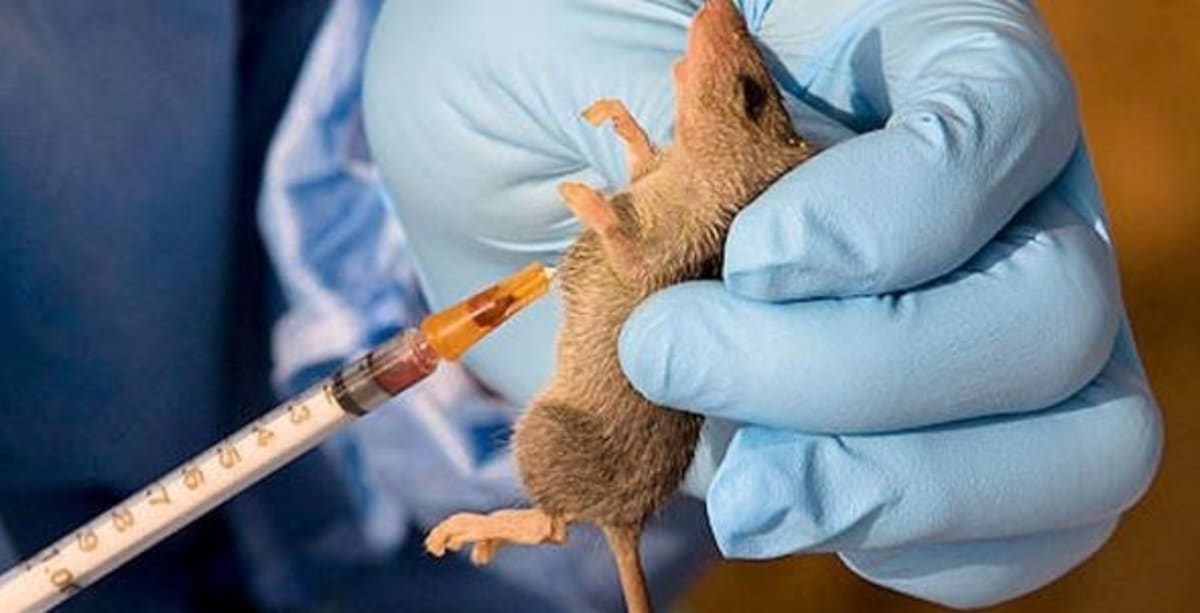
Lassa fever is not a new threat. The virus, carried by the multimammate rat, has been circulating in West Africa since its discovery in 1969. Yet its seasonal spikes, typically between December and April, continue to catch health systems off guard. The Nigeria Centre for Disease Control and Prevention (NCDC) reported over 1,000 confirmed cases in 2023, with a case fatality rate of 14.8%. Misdiagnosis exacerbates these figures by delaying isolation protocols, increasing the risk of nosocomial transmission to healthcare workers and other patients.
The economic burden is equally concerning. A 2022 study in PLOS Neglected Tropical Diseases estimated that Lassa fever costs Nigeria’s healthcare system approximately $19 million annually, with misdiagnosis contributing to prolonged hospital stays and higher mortality. The ripple effects extend beyond individual patients, outbreaks strain already fragile health infrastructure, diverting resources from other critical services.
Symptoms or Risk Factors
Lassa fever’s early symptoms are deceptively generic. Within one to three weeks of exposure, patients typically develop:
- Persistent high fever (often above 38.5°C)
- Severe headache and muscle aches
- Fatigue and general weakness
- Sore throat and cough
- Nausea and vomiting
As the disease progresses, more distinctive signs emerge, including facial swelling, bleeding from the gums or nose, and neurological symptoms like tremors or seizures. However, by this stage, the window for effective treatment has often closed. Risk factors for severe disease include pregnancy, immunosuppression, and delayed medical care, all of which are more likely when the illness is initially dismissed as malaria.
Who May Be Affected
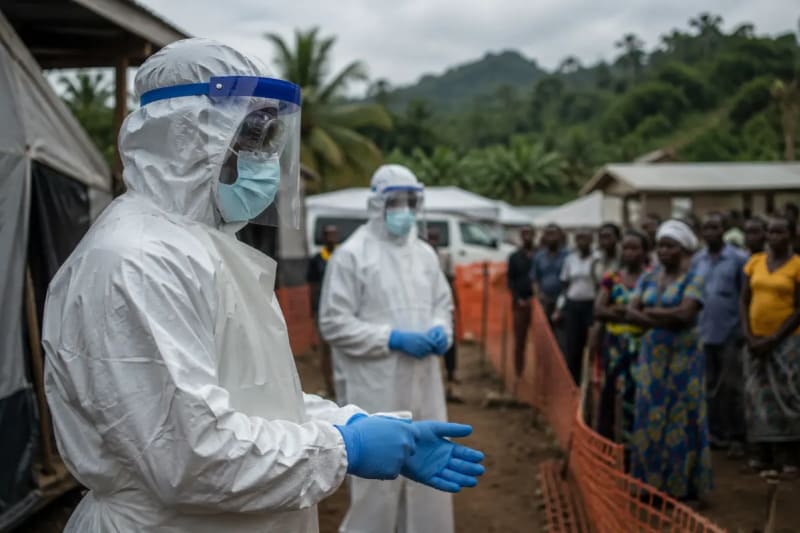
The burden of Lassa fever falls disproportionately on rural communities in Nigeria, Liberia, Sierra Leone, and Guinea, where the multimammate rat thrives in close proximity to human dwellings. Farmers, market vendors, and households storing food in open containers are at highest risk of exposure to rodent urine or feces, the primary transmission routes. Healthcare workers are also vulnerable, particularly in settings where personal protective equipment (PPE) is scarce or improperly used.
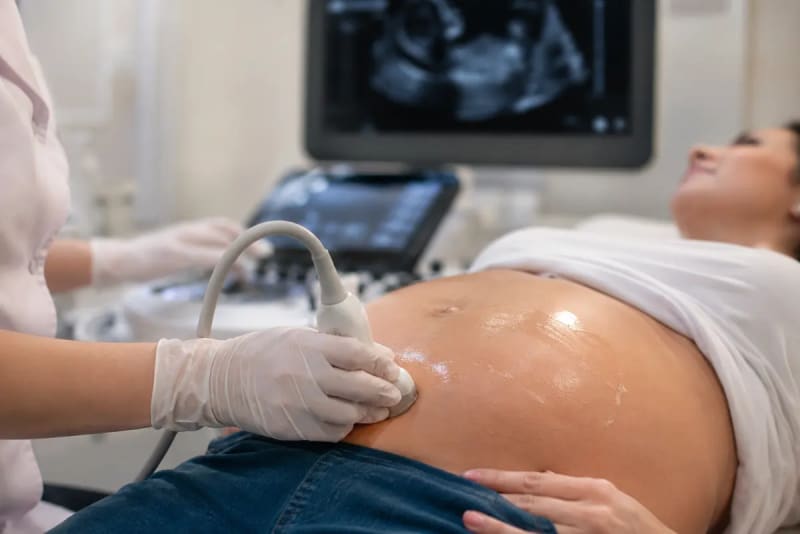
Children and pregnant women face the highest fatality rates. A 2021 analysis in The Lancet Infectious Diseases found that maternal mortality from Lassa fever approaches 80% in some outbreaks, while fetal loss occurs in nearly all cases. The virus’s ability to cross the placental barrier makes it one of the most dangerous infections during pregnancy.
Government or WHO Response
The World Health Organization (WHO) has classified Lassa fever as a priority disease for research and development, citing its epidemic potential and lack of licensed vaccines or treatments. In Nigeria, the NCDC has scaled up surveillance through its National Lassa Fever Technical Working Group, which coordinates case detection, contact tracing, and laboratory testing across 36 states. Rapid diagnostic tests (RDTs) are being piloted in high burden areas, though their sensitivity remains lower than the gold standard polymerase chain reaction (PCR) testing.
Public health campaigns have also intensified, with the NCDC distributing educational materials in local languages to raise awareness about rodent control and early symptom recognition. However, challenges persist. Many rural health centers lack the infrastructure for safe sample collection and transport, while urban hospitals grapple with overcrowding and limited isolation capacity.
Prevention and Safety Guidance
Preventing Lassa fever hinges on breaking the chain of transmission between rodents and humans. The WHO and NCDC recommend the following measures:
- Rodent proofing homes: Store food in sealed containers, dispose of garbage regularly, and seal entry points for rats.
- Safe food handling: Avoid consuming food or water contaminated with rodent urine or feces. Wash fruits and vegetables thoroughly before consumption.
- Healthcare precautions: Healthcare workers should adhere to standard infection control practices, including the use of gloves, gowns, and face shields when treating suspected cases.
- Early medical attention: Seek care immediately if fever persists beyond 48 hours, especially if accompanied by bleeding, confusion, or severe weakness. Insist on diagnostic testing if symptoms do not improve with antimalarial treatment.
For travelers to endemic regions, the U.S. Centers for Disease Control and Prevention (CDC) advises avoiding contact with rodents and consuming only well cooked food and bottled water. No vaccine is currently available, making prevention the cornerstone of protection.
What Readers Should Know
Lassa fever’s resemblance to malaria is more than a clinical nuisance, it is a public health blind spot with deadly consequences. The key to reducing fatalities lies in three areas: improving diagnostic capacity, strengthening healthcare worker training, and empowering communities to recognize the red flags. For now, patients and clinicians alike must adopt a higher index of suspicion, particularly during peak transmission months.
If you or a loved one develop persistent fever and flu like symptoms in a Lassa endemic region, demand a second opinion if malaria treatment fails to bring relief. Time is not just a factor in this disease, it is the difference between recovery and irreversible harm.
Key Takeaways
- Lassa fever and malaria share nearly identical early symptoms, leading to frequent misdiagnosis and delayed treatment in West Africa.
- The antiviral drug ribavirin is most effective when administered within the first six days of Lassa fever symptoms; delays increase fatality rates to 15% or higher.
- Pregnant women and children face the highest risk of severe outcomes, with maternal mortality rates approaching 80% in some outbreaks.
- Prevention focuses on rodent control, safe food storage, and early medical attention for persistent fever, especially if symptoms do not improve with antimalarial treatment.
- No vaccine exists for Lassa fever, making public awareness and rapid diagnosis critical to reducing transmission and fatalities.
Frequently Asked Questions
How can I tell the difference between Lassa fever and malaria?
Early symptoms are nearly identical, but Lassa fever may progress to facial swelling, bleeding, or neurological symptoms like tremors. If fever persists beyond 48 hours despite antimalarial treatment, seek further medical evaluation.
Is Lassa fever contagious from person to person?
Yes, but only through direct contact with bodily fluids (blood, urine, saliva) of an infected person. Casual contact, such as hugging or sharing utensils, does not transmit the virus.
What should I do if I suspect Lassa fever?
Isolate the patient immediately and seek medical care at a facility equipped for infectious disease management. Avoid self medicating with antimalarials or pain relievers, as these can mask symptoms and delay diagnosis.
Are there any rapid tests for Lassa fever?
Rapid diagnostic tests (RDTs) are being piloted in some regions, but their accuracy is lower than laboratory based PCR testing. If Lassa fever is suspected, insist on confirmatory testing through a reference laboratory.
Why is Lassa fever more dangerous during pregnancy?
The virus can cross the placenta, leading to high rates of maternal and fetal mortality. Pregnant women with suspected Lassa fever require urgent hospitalization and specialized care.
Medical Review: MedSense Editorial Board





















DISCUSSION (0)
POST A COMMENT