
A medical doctor in Nigeria’s Benue State has died from complications of Lassa fever, marking another tragic loss in an escalating outbreak that has already claimed over 200 lives this year. The physician, who worked with the AIDS Prevention Initiative in Nigeria, battled the illness for more than two weeks before succumbing, according to state health officials. His death underscores the persistent threat of Lassa fever, a viral hemorrhagic disease that continues to spread across multiple states despite being preventable through basic hygiene and rodent control measures. The Nigeria Centre for Disease Control and Prevention (NCDC) has reported a rising case fatality rate, with infections detected in nearly a dozen states. Health authorities warn that without immediate intervention, the outbreak could further strain an already overburdened healthcare system. The loss of a frontline healthcare worker also raises concerns about infection control in medical facilities, where exposure risks are heightened.
What Happened
A physician in Benue State died on Monday after a prolonged battle with Lassa fever, becoming one of the latest victims in Nigeria’s ongoing outbreak. The doctor, employed by the AIDS Prevention Initiative in Nigeria, was receiving treatment but his condition deteriorated after more than two weeks of illness. Benue State Commissioner for Health and Human Services, Paul Ejeh Ogwuche, confirmed the death, describing it as a preventable tragedy that highlights systemic gaps in disease control.
The NCDC’s latest epidemiological report indicates that Lassa fever has now claimed over 200 lives in 2024, with confirmed cases reported in 23 states. The disease, endemic in West Africa, typically peaks during the dry season, but this year’s outbreak has shown unusual persistence, with transmission continuing into the early months of the rainy season.
Why Public Health Officials Are Concerned
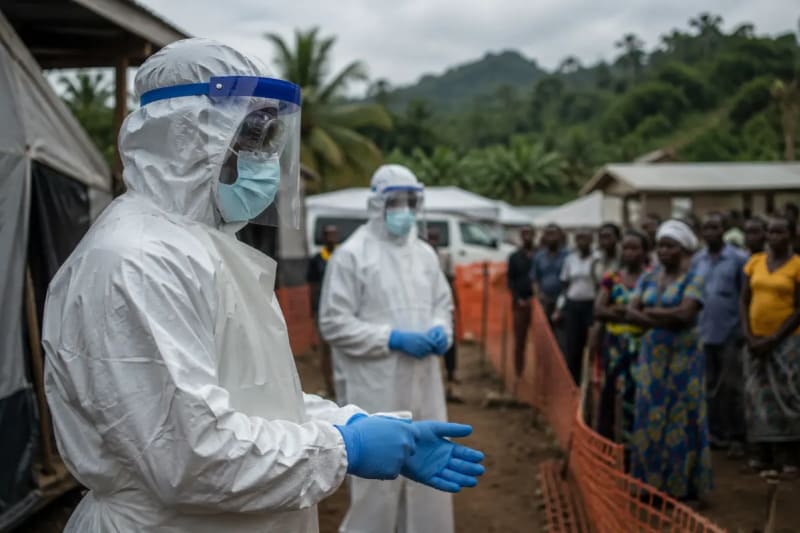
Lassa fever’s high fatality rate, particularly among healthcare workers, has alarmed public health experts. The virus spreads through contact with infected rodents or their excreta, but human to human transmission occurs in healthcare settings where infection control protocols are inadequate. The death of a doctor suggests potential lapses in protective measures, including the use of personal protective equipment (PPE) and proper isolation of suspected cases.
Compounding the crisis is the strain on Nigeria’s healthcare infrastructure. Many affected states lack sufficient diagnostic capacity, leading to delays in testing and treatment. Ribavirin, the antiviral drug used to treat Lassa fever, is most effective when administered early, but access remains limited in rural areas where the disease is most prevalent. The NCDC has warned that without rapid scaling of response efforts, the outbreak could spiral further, overwhelming hospitals and increasing mortality rates.
Symptoms and Risk Factors
Lassa fever typically presents with fever, weakness, and general malaise, symptoms that are easily mistaken for malaria or typhoid. As the disease progresses, patients may develop severe headaches, sore throat, muscle pain, chest pain, nausea, vomiting, diarrhea, and in severe cases, bleeding from the mouth, nose, or other orifices. The incubation period ranges from 6 to 21 days, making early detection challenging.
High risk groups include healthcare workers, laboratory staff, and individuals living in rodent infested environments. Poor sanitation and food storage practices, such as leaving food exposed to rodents, significantly increase the risk of infection. Pregnant women and their unborn children are particularly vulnerable, with studies showing higher fatality rates in this group.
Who May Be Affected
The outbreak has disproportionately impacted states in Nigeria’s north central and southern regions, including Edo, Ondo, Bauchi, and Taraba. These areas are known hotspots for Lassa fever due to their ecological suitability for the multimammate rat, the primary reservoir of the virus. However, cases have also emerged in urban centers like Lagos and Abuja, raising concerns about wider transmission.
Healthcare workers remain on the frontlines of the crisis, accounting for a significant proportion of infections. The World Health Organization (WHO) estimates that up to 20% of Lassa fever cases in Nigeria involve medical personnel, reflecting the occupational hazards they face. Community members in rural areas, where rodent control is often neglected, are also at elevated risk.
Government and WHO Response
The NCDC has activated its national emergency operations center to coordinate the response, deploying rapid response teams to affected states. These teams are tasked with strengthening surveillance, improving case management, and conducting community sensitization campaigns. The agency has also distributed medical supplies, including ribavirin and PPE, to healthcare facilities.
The WHO has provided technical support, assisting with laboratory diagnostics and training healthcare workers on infection prevention and control. However, both organizations have emphasized that sustained funding and political commitment are critical to containing the outbreak. The Nigerian government has allocated additional resources to the NCDC, but public health experts argue that long term investments in healthcare infrastructure and rodent control programs are needed to prevent future outbreaks.
Prevention and Safety Guidance
Preventing Lassa fever hinges on reducing human contact with rodents and their excreta. The NCDC and WHO recommend the following measures:
- Avoid rodent infestations: Store food in rodent proof containers, dispose of garbage properly, and keep homes clean to discourage rodent activity.
- Practice hand hygiene: Wash hands frequently with soap and water, especially before eating or preparing food.
- Use protective equipment: Healthcare workers should wear gloves, masks, and gowns when treating suspected cases and ensure proper sterilization of medical instruments.
- Isolate suspected cases: Patients with symptoms should be isolated immediately to prevent human to human transmission, particularly in healthcare settings.
- Community awareness: Public health campaigns should educate communities on recognizing symptoms and seeking early medical care.
For individuals in high risk areas, avoiding contact with bodily fluids of infected persons and practicing safe burial practices for those who die from the disease are also critical.
What Readers Should Know
Lassa fever is not new to Nigeria, but this year’s outbreak has been more severe than in previous years. The death of a doctor serves as a stark reminder of the disease’s deadly potential and the urgent need for stronger preventive measures. While the government and health agencies are scaling up their response, public cooperation is essential to curb the spread.
Early diagnosis and treatment significantly improve survival rates, so anyone experiencing symptoms, especially in outbreak zones, should seek medical attention immediately. Healthcare workers must remain vigilant, adhering to infection control protocols to protect themselves and their patients. For the general public, simple steps like proper food storage and rodent control can make a life saving difference.
The current outbreak is a call to action for Nigeria to invest in resilient public health systems. Without sustained efforts to improve sanitation, healthcare access, and disease surveillance, Lassa fever will continue to claim lives, particularly among the most vulnerable populations.
Key Takeaways
- Lassa fever has killed over 200 people in Nigeria in 2024, with cases reported in 23 states, including urban centers like Lagos and Abuja.
- Healthcare workers are at high risk, with up to 20% of cases involving medical personnel due to inadequate infection control measures.
- Prevention relies on rodent control, proper food storage, hand hygiene, and early medical intervention for suspected cases.
- The Nigerian government and WHO are scaling up response efforts, but long term investments in healthcare infrastructure are needed to prevent future outbreaks.
Frequently Asked Questions
What is Lassa fever and how is it transmitted?
Lassa fever is a viral hemorrhagic illness caused by the Lassa virus. It is primarily transmitted through contact with infected multimammate rats or their urine and feces. Human to human transmission can occur through direct contact with bodily fluids of infected individuals, particularly in healthcare settings.
What are the symptoms of Lassa fever?
Early symptoms include fever, weakness, and general malaise, which can be mistaken for malaria or typhoid. As the disease progresses, patients may experience severe headaches, sore throat, muscle pain, chest pain, nausea, vomiting, diarrhea, and in severe cases, bleeding from the mouth, nose, or other orifices.
How can Lassa fever be prevented?
Prevention focuses on reducing rodent contact by storing food in sealed containers, disposing of garbage properly, and maintaining clean living spaces. Hand hygiene, using protective equipment in healthcare settings, and isolating suspected cases are also critical. Community education on recognizing symptoms and seeking early care is essential.
Is there a treatment for Lassa fever?
The antiviral drug ribavirin is most effective when administered early in the course of the illness. Supportive care, including rehydration and treatment of symptoms, is also important. There is currently no widely available vaccine for Lassa fever.
Why are healthcare workers at higher risk of Lassa fever?
Healthcare workers are at increased risk due to exposure to infected patients' bodily fluids, particularly in settings with inadequate infection control measures. The use of personal protective equipment (PPE) and proper isolation protocols are essential to reduce transmission in medical facilities.
Medical Review: MedSense Editorial Board






















DISCUSSION (0)
POST A COMMENT