
Lagos State has escalated its defenses against the potential spread of Ebola virus disease as health authorities conduct a high level inspection of Murtala Mohammed International Airport. The move comes in response to a confirmed resurgence of the deadly virus in East Africa, raising concerns about cross border transmission through air travel. Health Commissioner Professor Akin Abayomi led a delegation to assess preparedness, including screening protocols, isolation facilities, and coordination with federal agencies. With Nigeria’s history of successfully containing Ebola in 2014, officials are taking no chances as global health experts warn of the virus’s persistent threat in regions with fragile healthcare systems.
What Happened
Lagos State health officials, in collaboration with the Federal Airports Authority of Nigeria, have intensified surveillance measures at Murtala Mohammed International Airport to prevent the importation of Ebola virus disease. The inspection tour, led by Health Commissioner Professor Akin Abayomi, focused on evaluating the airport’s readiness to detect and contain potential cases among arriving passengers. This proactive step follows reports of active Ebola transmission in parts of East Africa, particularly Uganda and the Democratic Republic of Congo, where recent outbreaks have claimed lives and strained local health infrastructure.
Why Public Health Officials Are Concerned
Ebola virus disease remains one of the most lethal pathogens known to medicine, with case fatality rates ranging from 25% to 90% depending on the strain and healthcare response. The 2014 West Africa outbreak, which spread to Nigeria through an infected traveler, demonstrated how quickly the virus can cross borders via air travel. While Nigeria successfully contained that outbreak with only eight deaths, the current situation in East Africa presents new challenges. The region’s high mobility, porous borders, and ongoing conflicts complicate containment efforts, increasing the risk of international spread. Public health experts emphasize that early detection at points of entry is critical to preventing secondary transmission in densely populated urban centers like Lagos.
Symptoms or Risk Factors
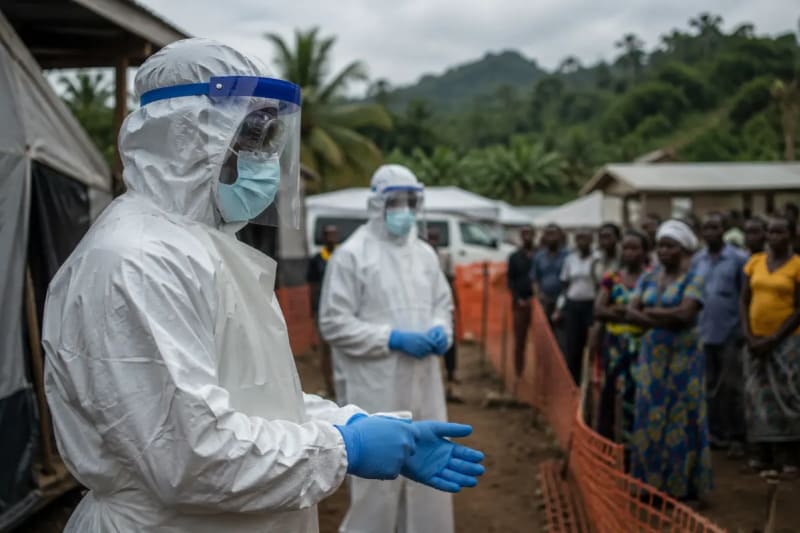
Ebola virus disease typically presents with sudden onset of fever, fatigue, muscle pain, headache, and sore throat, followed by vomiting, diarrhea, rash, and in severe cases, internal and external bleeding. Symptoms may appear between 2 to 21 days after exposure to the virus, with an average incubation period of 8 to 10 days. Travelers arriving from affected regions, healthcare workers, and individuals who have had contact with infected persons or animals are at highest risk. Unlike airborne viruses, Ebola spreads through direct contact with bodily fluids, contaminated surfaces, or infected animals, making strict hygiene and isolation protocols essential for containment.
Who May Be Affected
The primary concern centers on travelers arriving from East African countries with active Ebola transmission, as well as airport staff, healthcare workers, and first responders who may come into contact with infected individuals. Lagos, as Nigeria’s commercial hub and a major international transit point, faces heightened vulnerability due to its high volume of passenger traffic. The state’s dense population and informal settlements could accelerate transmission if the virus were to enter undetected. Public health officials are particularly focused on ensuring that airport screening teams, quarantine facilities, and local hospitals are equipped to handle potential cases without overwhelming the healthcare system.
Government or WHO Response
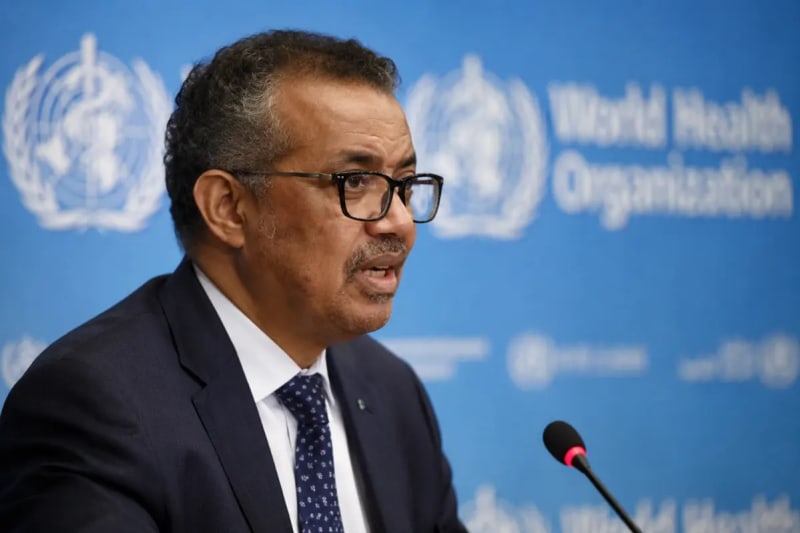
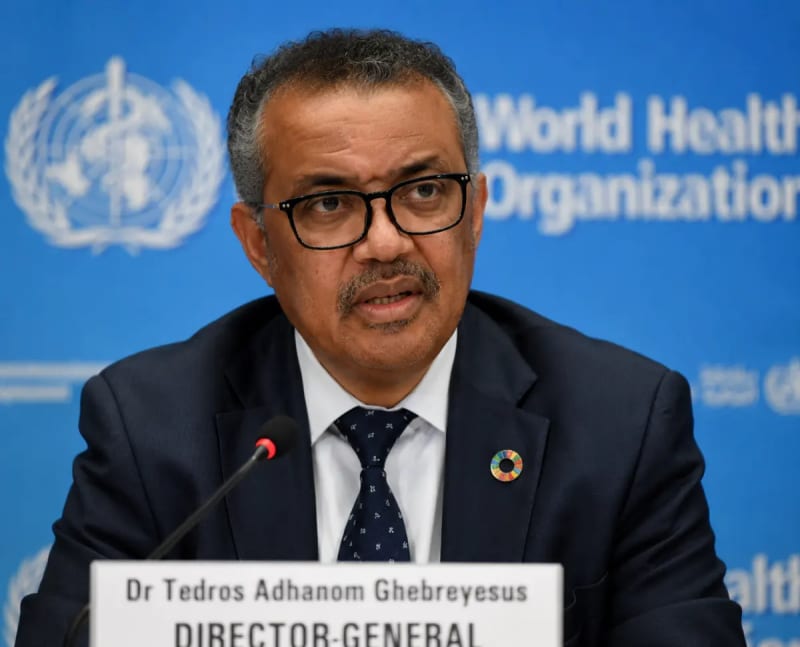
The Lagos State Government has activated its emergency preparedness protocols, including the reactivation of isolation centers used during the 2014 outbreak. The Nigeria Centre for Disease Control and Prevention has also raised its alert level, coordinating with the World Health Organization to monitor the situation in East Africa. WHO has not yet declared the current outbreaks a Public Health Emergency of International Concern but continues to support affected countries with surveillance, laboratory testing, and community engagement. At the airport, thermal scanners, health declaration forms, and rapid response teams have been deployed to screen incoming passengers, with plans to expand testing capacity if needed.
Prevention and Safety Guidance
Travelers arriving from Ebola affected regions are advised to monitor their health for 21 days and seek immediate medical attention if symptoms develop. Health authorities recommend the following precautions:
- Avoid direct contact with blood, bodily fluids, or tissues of infected persons or animals.
- Practice regular hand hygiene with soap and water or alcohol based sanitizers.
- Healthcare workers should use personal protective equipment when treating suspected cases.
- Airport staff and travelers should report any suspected cases to health authorities immediately.
- Communities should avoid handling bushmeat or consuming raw animal products from affected areas.
What Readers Should Know
While the risk of Ebola spreading to Nigeria remains low with current surveillance measures, the situation underscores the importance of global health vigilance. The 2014 outbreak demonstrated that even a single undetected case can trigger a public health crisis, but also that rapid response and community cooperation can save lives. Lagos residents should stay informed through official health channels and avoid spreading unverified information. For travelers, adhering to health screening protocols at airports is not just a legal requirement but a critical step in protecting themselves and their communities. The state government has assured the public that it is taking all necessary steps to prevent a repeat of past outbreaks, but individual awareness and cooperation remain key to success.
Key Takeaways
- Lagos State has intensified Ebola surveillance at Murtala Mohammed International Airport due to outbreaks in East Africa.
- Ebola virus disease has a high fatality rate and spreads through direct contact with bodily fluids or contaminated surfaces.
- Travelers from affected regions, healthcare workers, and airport staff are at highest risk and should follow strict hygiene protocols.
- The government has reactivated isolation centers and deployed rapid response teams to prevent potential spread.
- Public cooperation with health screening and reporting suspected cases is critical to containing any potential outbreak.
Frequently Asked Questions
What are the early symptoms of Ebola virus disease?
Early symptoms include sudden fever, fatigue, muscle pain, headache, and sore throat. These may progress to vomiting, diarrhea, rash, and in severe cases, internal or external bleeding.
How does Ebola spread, and how can it be prevented?
Ebola spreads through direct contact with bodily fluids of infected persons or animals, or contaminated surfaces. Prevention includes avoiding contact with infected individuals, practicing hand hygiene, and using personal protective equipment in healthcare settings.
What should travelers arriving from Ebola affected regions do?
Travelers should monitor their health for 21 days, report any symptoms immediately, and follow health screening protocols at airports. Avoiding contact with sick individuals and practicing good hygiene are also essential.
Is Nigeria at risk of an Ebola outbreak?
While the risk is currently low due to strengthened surveillance, Nigeria remains vulnerable due to its high international travel volume. Authorities are taking proactive measures to prevent any potential spread.
What is the government doing to prevent Ebola from entering Nigeria?
The Lagos State Government and federal agencies have intensified airport surveillance, reactivated isolation centers, and deployed rapid response teams. Coordination with the WHO and other international partners is also underway.
Medical Review: MedSense Editorial Board
















DISCUSSION (0)
POST A COMMENT