
Lagos health journalists have escalated their campaign against preventable maternal and child deaths, issuing a stark warning that systemic failures in Nigeria’s healthcare system will continue to claim lives unless urgent reforms are implemented. The coalition, representing media professionals covering health, has highlighted persistent information gaps and operational inefficiencies as key barriers to progress. With maternal mortality rates remaining alarmingly high in the region, the group is demanding greater accountability from policymakers and healthcare providers to bridge the divide between policy and practice.
What Happened
During a recent advocacy meeting in Lagos, health journalists under the banner of the Lagos Media Coalition for Maternal and Child Health called for a unified approach to health reporting. The group emphasized that fragmented communication between healthcare institutions, government agencies, and the media has contributed to a lack of public awareness about maternal health risks and available interventions. Without improved coordination, they warned, preventable deaths during childbirth and early childhood will persist.
Why Public Health Officials Are Concerned
Nigeria accounts for a significant proportion of global maternal deaths, with the country recording one of the highest maternal mortality ratios in the world. According to the World Health Organization, an estimated 82,000 women die annually from pregnancy related complications in Nigeria, many of which are preventable with timely medical intervention. Health experts attribute these deaths to delays in seeking care, inadequate healthcare infrastructure, and a lack of public awareness about maternal health services. The Lagos Media Coalition’s intervention underscores the role of accurate and consistent health reporting in shaping public behavior and policy responses.
Who May Be Affected
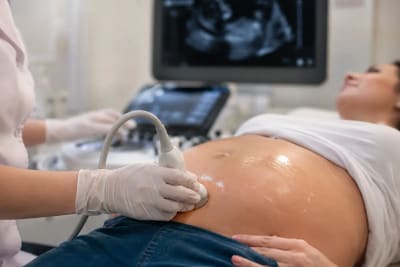
The crisis disproportionately impacts women in low income communities, where access to quality antenatal care, skilled birth attendants, and emergency obstetric services remains limited. Rural areas and urban slums face the greatest challenges, with transportation barriers and financial constraints further exacerbating risks. Children born in these conditions are also at higher risk of neonatal complications, perpetuating a cycle of poor health outcomes across generations.
Government and Stakeholder Response
While the Lagos State government has introduced initiatives such as free maternal healthcare programs and community health insurance schemes, implementation gaps persist. The media coalition is urging authorities to strengthen data transparency, improve healthcare worker training, and enforce accountability mechanisms for facilities failing to meet maternal health standards. Civil society organizations have echoed these calls, stressing the need for a multi sectoral approach involving media, government, and healthcare providers.
Prevention and Safety Guidance
For expectant mothers and families, public health experts recommend the following measures to reduce risks:
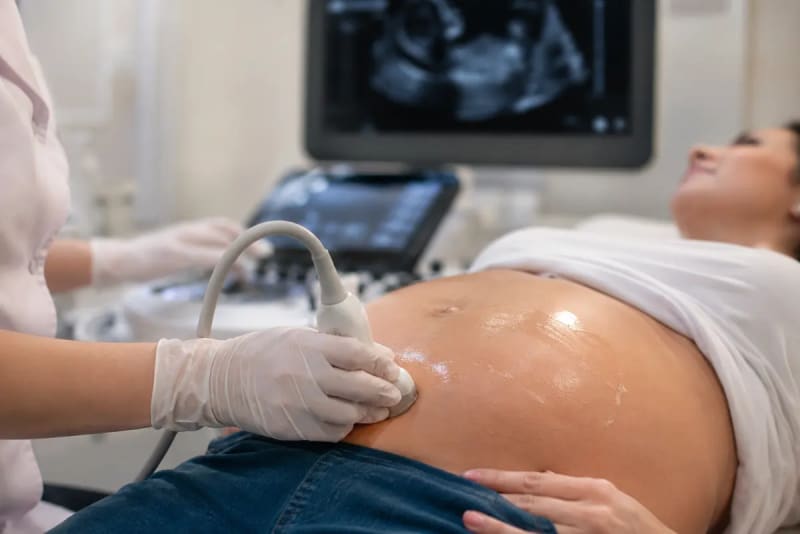
- Attend regular antenatal care visits to monitor pregnancy progress and detect complications early.
- Deliver in a healthcare facility with skilled birth attendants, even for low risk pregnancies.
- Seek immediate medical attention for warning signs such as severe bleeding, prolonged labor, or high fever.
- Advocate for community based health education programs to improve awareness of maternal health rights and services.
What Readers Should Know
The Lagos Media Coalition’s advocacy highlights a critical but often overlooked aspect of public health: the power of information. When journalists, healthcare providers, and policymakers collaborate effectively, they can drive meaningful change in maternal health outcomes. For residents of Lagos and other high risk regions, staying informed about local health services and demanding accountability from leaders can make a life saving difference. The coalition’s efforts serve as a reminder that maternal health is not just a medical issue but a societal responsibility.
Key Takeaways
- Preventable maternal and child deaths in Nigeria remain unacceptably high due to systemic inefficiencies and information gaps in the healthcare system.
- Health journalists in Lagos are pushing for improved coordination between media, government, and healthcare providers to enhance public awareness and policy enforcement.
- Women in low income and rural communities face the highest risks, with barriers including limited access to skilled care and financial constraints.
- Preventive measures such as regular antenatal visits, facility based deliveries, and community health education can significantly reduce maternal mortality.
Frequently Asked Questions
Why are maternal deaths still so high in Nigeria?
Maternal deaths in Nigeria are driven by a combination of factors, including delays in seeking or receiving care, inadequate healthcare infrastructure, and a lack of public awareness about maternal health services. Many deaths occur due to preventable complications such as hemorrhage, hypertension, and infections, which could be managed with timely medical intervention.
What role can the media play in reducing maternal mortality?
The media can influence maternal health outcomes by raising public awareness about risks, available services, and preventive measures. Accurate and consistent health reporting can also hold policymakers and healthcare providers accountable, ensuring that maternal health programs are effectively implemented and accessible to all.
How can pregnant women in high risk areas protect themselves?
Pregnant women in high risk areas should prioritize regular antenatal care visits, deliver in healthcare facilities with skilled attendants, and seek immediate medical attention for any warning signs of complications. Community support and advocacy for better health services can also improve outcomes.
Medical Review: MedSense Editorial Board











DISCUSSION (0)
POST A COMMENT