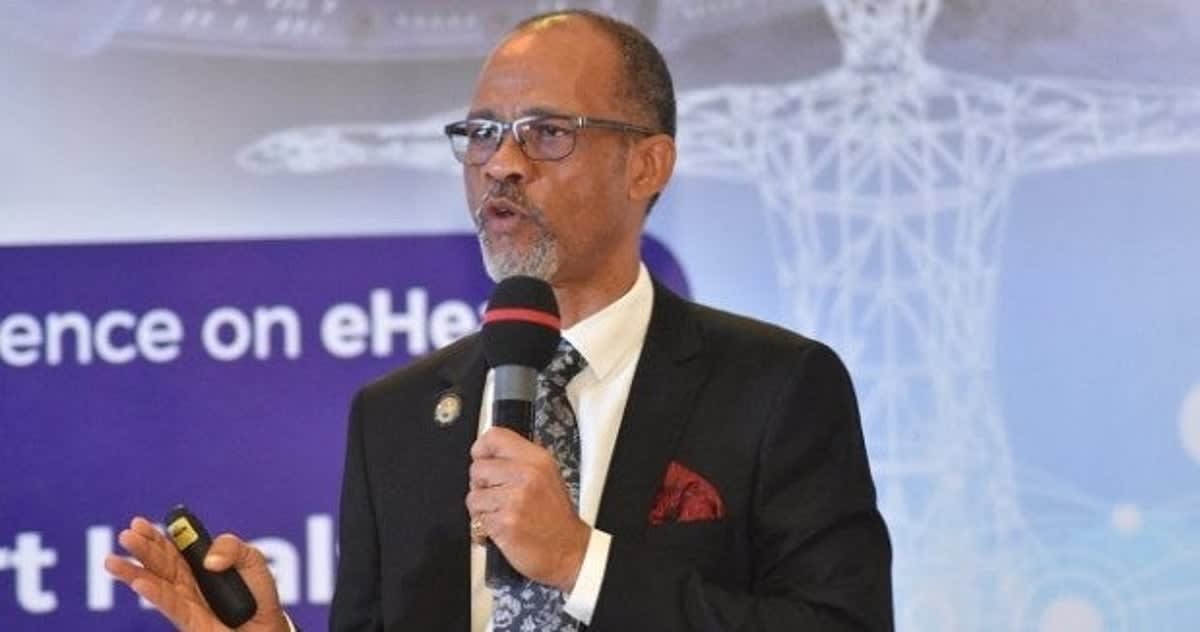
Lagos State health officials have moved swiftly to calm public fears after reports of Ebola outbreaks in Central and East Africa sparked concern among residents. In a statement released Monday, the state’s Commissioner for Health, Professor Akin Abayomi, confirmed that no confirmed or suspected cases of Ebola Virus Disease have been detected in Lagos. The announcement comes as health systems across West Africa remain on high alert following recent outbreaks in the Democratic Republic of Congo and Uganda, which have claimed dozens of lives and raised alarms about regional transmission risks. While the situation in Lagos appears stable, public health experts emphasize the importance of vigilance in a city known for its dense population and international travel links. The state government’s reassurance follows a period of heightened anxiety, with social media amplifying fears of a potential outbreak. Abayomi’s statement underscores the government’s commitment to transparency and proactive surveillance, even as officials urge residents to rely on verified sources for updates rather than unverified reports.
What Happened
Lagos State health authorities confirmed on Monday that no cases of Ebola Virus Disease have been identified within the state, despite ongoing outbreaks in other parts of Africa. The statement, issued by Professor Akin Abayomi, the state’s Commissioner for Health, aimed to address growing public concern following reports of Ebola resurgences in the Democratic Republic of Congo and Uganda. Both countries have reported active transmission, with Uganda declaring an outbreak in September 2022 and the DRC continuing to battle recurrent flare ups in its eastern regions.
Why Public Health Officials Are Concerned
Ebola remains one of the most lethal viral hemorrhagic fevers, with case fatality rates ranging from 25% to 90% depending on the strain and healthcare response. The virus spreads through direct contact with bodily fluids of infected individuals or contaminated surfaces, making densely populated urban centers like Lagos particularly vulnerable. While Nigeria successfully contained its last Ebola outbreak in 2014, the country’s status as a regional travel hub means the risk of imported cases cannot be ignored. Public health officials are particularly wary of undetected transmission, which could escalate rapidly in communities with limited healthcare access.
Who May Be Affected
While the general population in Lagos is currently not at risk, certain groups remain more vulnerable to potential exposure. These include healthcare workers, laboratory staff handling biological samples, travelers returning from outbreak zones, and individuals in close contact with symptomatic patients. The state government has identified high risk entry points, such as airports and land borders, as critical surveillance sites. Authorities are also monitoring communities with lower health literacy, where misinformation about Ebola could hinder early detection and reporting.
Government Response and Surveillance Measures
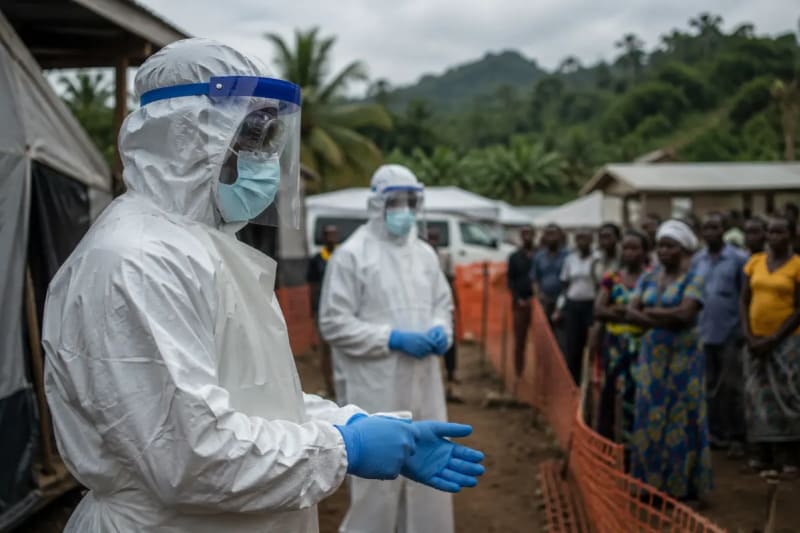
The Lagos State Ministry of Health has activated its emergency preparedness protocols, including enhanced surveillance at ports of entry and routine screening of travelers from affected regions. Health facilities across the state have been instructed to maintain a high index of suspicion for Ebola like symptoms and to report any suspected cases immediately. The government is also collaborating with the Nigeria Centre for Disease Control and the World Health Organization to strengthen laboratory capacity for rapid diagnosis. Public health campaigns are underway to educate residents on recognizing symptoms and seeking timely medical attention.
Prevention and Safety Guidance
Residents are advised to adopt basic infection prevention practices to reduce the risk of Ebola and other infectious diseases. These include:
- Regular handwashing with soap and water or using alcohol based hand sanitizers.
- Avoiding direct contact with blood, bodily fluids, or tissues of infected individuals or animals.
- Ensuring safe burial practices for deceased individuals, particularly in communities with suspected cases.
- Seeking immediate medical care if symptoms such as fever, fatigue, muscle pain, vomiting, or unexplained bleeding develop, especially after recent travel to outbreak zones.
Healthcare workers are reminded to adhere strictly to standard infection control precautions, including the use of personal protective equipment when managing patients with febrile illnesses.
What Readers Should Know
The absence of confirmed cases in Lagos does not equate to zero risk. Ebola’s incubation period can last up to 21 days, meaning travelers from affected regions could develop symptoms after arriving in the state. Public health officials urge residents to remain calm but vigilant, avoiding panic while staying informed through official channels. The Lagos State Ministry of Health has established a dedicated hotline for Ebola related inquiries, and updates will be provided as the situation evolves. For now, the message is clear: no cause for alarm, but no room for complacency either.
Key Takeaways
- Lagos State has no confirmed or suspected Ebola cases, despite outbreaks in the Democratic Republic of Congo and Uganda.
- Health authorities have implemented enhanced surveillance at ports of entry and are monitoring high risk groups.
- Residents should practice basic infection prevention measures and report symptoms promptly, especially after travel to affected regions.
- Public health campaigns aim to combat misinformation and ensure early detection of potential cases.
Frequently Asked Questions
What are the early symptoms of Ebola?
Early symptoms of Ebola include sudden onset of fever, fatigue, muscle pain, headache, and sore throat. As the disease progresses, symptoms may worsen to include vomiting, diarrhea, rash, impaired kidney and liver function, and in some cases, internal and external bleeding.
How does Ebola spread?
Ebola spreads through direct contact with the blood, bodily fluids, or tissues of infected people or animals. It can also spread through contact with surfaces or materials contaminated with these fluids. The virus is not airborne and does not spread through casual contact.
What should I do if I suspect someone has Ebola?
If you suspect someone may have Ebola, avoid direct contact with their bodily fluids and isolate the person if possible. Contact local health authorities or the Lagos State Ministry of Health immediately for guidance. Do not attempt to transport the person to a healthcare facility without professional assistance.
How can I stay updated on the Ebola situation in Lagos?
For reliable updates, follow official communications from the Lagos State Ministry of Health, the Nigeria Centre for Disease Control, and the World Health Organization. Avoid relying on unverified social media reports, which can spread misinformation.
Medical Review: MedSense Editorial Board











DISCUSSION (0)
POST A COMMENT