What Happened
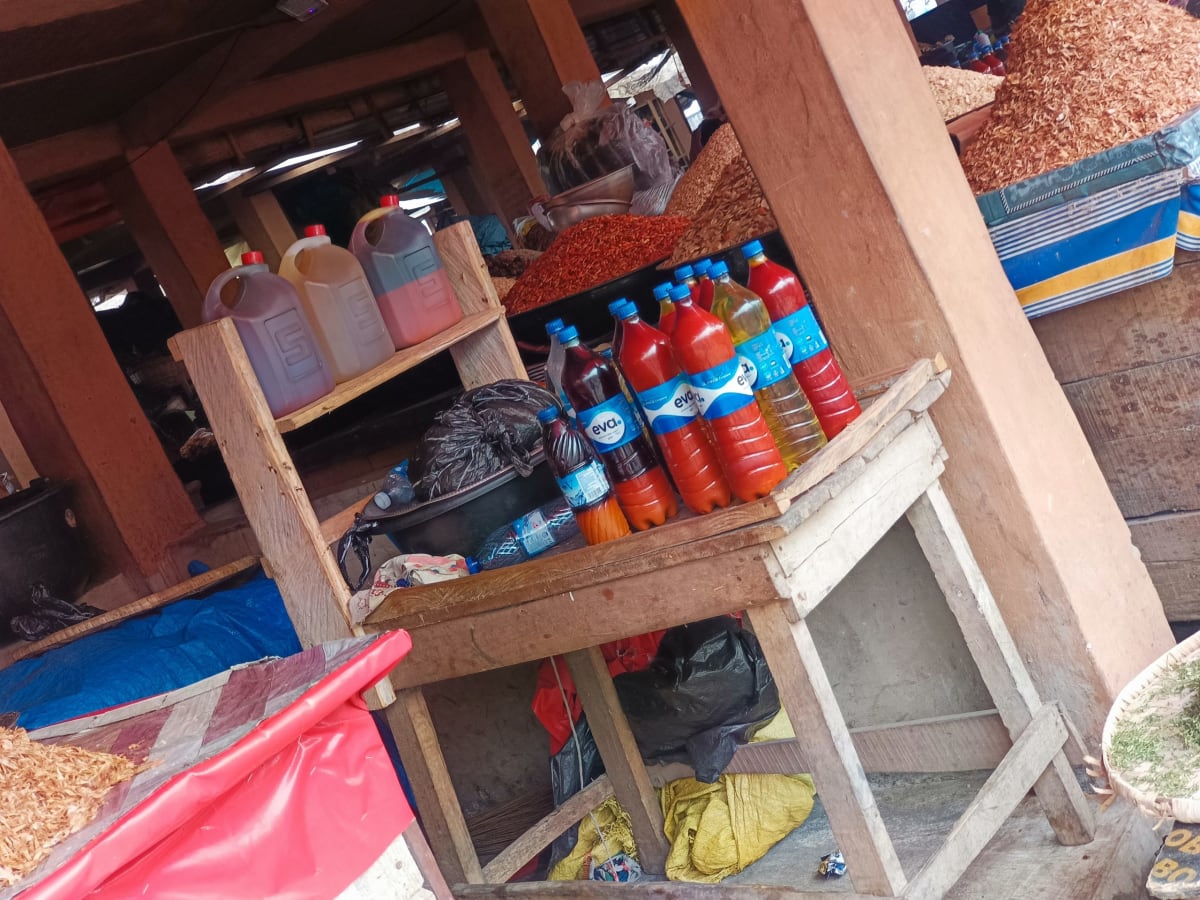
Officials from the Lagos State Consumer Protection Agency recently confirmed the presence of adulterated palm oil in several markets across the state. The agency, acting on intelligence and consumer complaints, conducted inspections that led to the sealing of a shop on Lagos Island suspected of selling contaminated products. While the exact scale of the adulteration remains unclear, the agency’s warning suggests the problem may be more widespread than initially detected.
Why Public Health Officials Are Concerned
Palm oil is a dietary cornerstone in Nigeria, used in everything from traditional stews to commercial food production. Adulteration typically involves mixing the oil with cheaper, often toxic substances such as industrial dyes, mineral oil, or even recycled cooking oil. These additives can cause acute poisoning, long term organ damage, or carcinogenic effects. In a country where food safety regulations are often poorly enforced, the risk of unknowingly consuming hazardous products is alarmingly high.
Dr. Akin Abayomi, Lagos State Commissioner for Health, has previously emphasized the dangers of food adulteration, noting that such practices undermine public health and erode trust in local food systems. The current situation reflects broader challenges in Nigeria’s food supply chain, where weak surveillance and economic pressures create opportunities for unscrupulous vendors to cut corners at the expense of consumer safety.
Symptoms or Risk Factors
Consuming adulterated palm oil may lead to a range of health issues, depending on the contaminants involved. Common symptoms include:
- Nausea and vomiting, often within hours of consumption
- Abdominal pain or diarrhea
- Headaches, dizziness, or confusion
- Skin irritation or allergic reactions, particularly if industrial dyes are present
- Long term exposure may contribute to liver or kidney damage, or increase cancer risk
Children, pregnant women, and individuals with pre existing health conditions are particularly vulnerable to the effects of contaminated food products.
Who May Be Affected
The risk extends beyond individual consumers. Restaurants, street food vendors, and small scale food processors often source palm oil in bulk from local markets, potentially exposing large numbers of people to adulterated products. In Lagos, where millions rely on informal food sources daily, the public health implications are significant. The situation also disproportionately affects low income households, who may lack the resources to verify the safety of their food purchases.
Government or WHO Response
The Lagos State Consumer Protection Agency has taken a proactive stance, combining public awareness campaigns with enforcement actions. The sealing of the Lagos Island shop signals a zero tolerance approach to food adulteration, though experts argue that sustained surveillance and stricter penalties are needed to deter repeat offenders. Nationally, the National Agency for Food and Drug Administration and Control has previously issued guidelines on food safety, but enforcement remains inconsistent across states.
The World Health Organization has long highlighted the global burden of foodborne illnesses, with low and middle income countries bearing the brunt of the impact. While Nigeria has made progress in strengthening food safety frameworks, challenges such as limited laboratory capacity, corruption, and fragmented regulatory oversight persist.
Prevention and Safety Guidance
Consumers can reduce their risk by taking the following precautions:
- Buy from trusted sources: Purchase palm oil from reputable vendors, supermarkets, or brands with a track record of quality. Avoid street markets where adulteration is more likely.
- Check for authenticity: Pure palm oil should have a deep red or orange color and a distinct, slightly nutty aroma. If the oil appears unusually light, has a chemical smell, or separates into layers, it may be adulterated.
- Look for certification: Some brands carry certification marks from regulatory bodies like NAFDAC. While not foolproof, these can offer an additional layer of assurance.
- Report suspicious products: Consumers who suspect they have purchased adulterated palm oil can report it to the Lagos State Consumer Protection Agency or NAFDAC for investigation.
- Store properly: Keep palm oil in a cool, dark place to prevent degradation. Contaminants may become more harmful over time if the oil is improperly stored.
What Readers Should Know
This incident is not an isolated case but part of a larger pattern of food safety challenges in Nigeria. From counterfeit drugs to contaminated staples like rice and cooking oil, the country’s food supply chain remains vulnerable to exploitation. While government agencies are taking steps to address the issue, public vigilance is critical. Consumers must stay informed, demand transparency from vendors, and advocate for stronger food safety regulations.
For now, the message from Lagos officials is clear: caution is key. In a market flooded with options, the cheapest or most convenient choice may come with hidden costs to health.
Key Takeaways
- Lagos State Consumer Protection Agency has confirmed the circulation of adulterated palm oil in local markets, posing serious health risks.
- Adulterated palm oil may contain toxic substances like industrial dyes or mineral oil, leading to acute poisoning or long term health issues.
- Consumers should buy from trusted sources, check for authenticity, and report suspicious products to authorities.
- The incident highlights broader food safety challenges in Nigeria, where weak enforcement and economic pressures enable adulteration.
- Public vigilance and stronger regulatory oversight are essential to protect consumers from contaminated food products.
Frequently Asked Questions
How can I tell if palm oil is adulterated?
Pure palm oil has a deep red or orange color and a distinct, slightly nutty aroma. Signs of adulteration include an unusually light color, chemical smell, or separation into layers. If in doubt, purchase from reputable vendors or brands.
What are the health risks of consuming adulterated palm oil?
Adulterated palm oil may contain toxic additives that can cause nausea, vomiting, abdominal pain, or long term damage to organs like the liver and kidneys. Some contaminants may also increase cancer risk.
What should I do if I suspect I’ve bought adulterated palm oil?
Stop using the product immediately and report it to the Lagos State Consumer Protection Agency or the National Agency for Food and Drug Administration and Control (NAFDAC). Provide details about where and when you purchased the oil.
Are there safer alternatives to palm oil?
While palm oil is a staple in Nigerian cuisine, consumers can opt for other cooking oils like coconut oil, groundnut oil, or olive oil, depending on availability and affordability. Always ensure any oil is sourced from trusted vendors.
What is the government doing to address food adulteration in Nigeria?
Regulatory agencies like NAFDAC and state consumer protection bodies are conducting inspections and enforcement actions. However, challenges such as limited resources and weak enforcement persist, making public awareness and vigilance crucial.
Medical Review: MedSense Editorial Board
























DISCUSSION (0)
POST A COMMENT