
Lagos State has placed its biosecurity infrastructure on high alert as regional Ebola activity raises concerns across West Africa. Health Commissioner Professor Akin Abayomi announced that the city’s disease detection and response systems remain fully activated, capable of identifying and containing potential Ebola cases before they escalate. While no local transmission has been reported, officials are emphasizing vigilance without alarm, urging residents to stay informed about symptoms and prevention measures. The move comes as neighboring countries report sporadic cases, testing the readiness of Africa’s most populous urban center.
What Happened
Lagos State Health Commissioner Professor Akin Abayomi confirmed that the city’s biosecurity architecture is fully operational and prepared to respond to Ebola virus disease or any other biological threat. The announcement follows growing regional concern over Ebola outbreaks in nearby countries, though no cases have been detected in Lagos. The state’s health system has maintained continuous surveillance since the 2014 West African epidemic, which claimed seven lives in Nigeria after a single imported case.
Why Public Health Officials Are Concerned
Ebola virus disease remains one of the most lethal pathogens known to medicine, with fatality rates ranging from 25 to 90 percent depending on the strain and healthcare access. The virus spreads through direct contact with bodily fluids of infected individuals or contaminated surfaces, making rapid detection and isolation critical to preventing outbreaks. Lagos, with its dense population of over 20 million and status as a major travel hub, presents unique challenges for containment. Public health experts warn that even a single undetected case could trigger rapid transmission in crowded urban settings.
Who May Be Affected
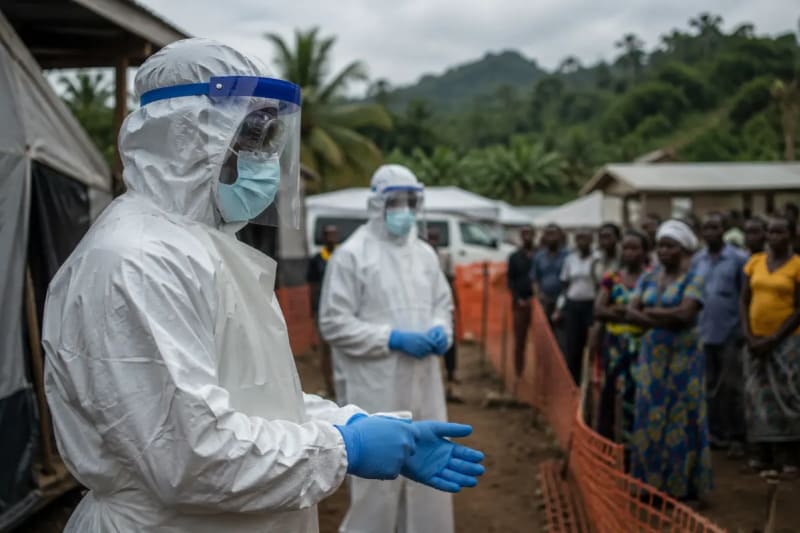
While the general population currently faces minimal risk, certain groups require heightened awareness. Healthcare workers treating suspected cases are at highest risk of exposure, followed by family members caring for infected individuals. Travelers arriving from Ebola affected regions may also carry the virus, though Nigeria’s ports of entry maintain screening protocols. Laboratory technicians handling diagnostic samples and burial teams managing deceased patients represent additional high risk categories.
Government Response
The Lagos State Ministry of Health has implemented a multi layered preparedness strategy. Key components include:
- 24/7 surveillance at all major entry points, including airports, seaports, and land borders
- Rapid response teams trained in case investigation and contact tracing
- Designated isolation facilities equipped for Ebola patient care
- Stockpiles of personal protective equipment and medical supplies
- Public education campaigns through community health workers and media outlets
The Nigeria Centre for Disease Control and Prevention (NCDC) coordinates national efforts, maintaining close communication with the World Health Organization and regional partners.
Prevention and Safety Guidance
Health authorities emphasize that simple precautions can dramatically reduce transmission risk:
- Avoid direct contact with blood, bodily fluids, or tissues of infected individuals
- Wash hands frequently with soap and water or use alcohol based sanitizers
- Do not handle items that may have come in contact with an infected person’s bodily fluids
- Healthcare workers should use full personal protective equipment when treating suspected cases
- Report any sudden fever, severe headache, muscle pain, or unexplained bleeding to health authorities immediately
What Readers Should Know
Lagos residents should understand that the current alert represents preparedness, not panic. The city’s health system has successfully contained previous Ebola threats, including the 2014 outbreak that was stopped within three months. While no cases have been detected, maintaining awareness of symptoms and prevention measures remains crucial. The state government has established a dedicated hotline for Ebola related inquiries, and health facilities across Lagos are equipped to handle potential cases. Officials stress that early reporting of symptoms significantly improves outcomes and reduces community transmission risk.
Key Takeaways
- Lagos State has activated full biosecurity measures in response to regional Ebola activity, though no local cases have been detected
- The city’s dense population and travel connections make rapid detection and containment critical to preventing outbreaks
- Healthcare workers, travelers from affected regions, and those in close contact with potential cases face the highest risk
- Simple hygiene measures and prompt reporting of symptoms can dramatically reduce transmission risk
- Lagos has successfully contained Ebola threats before and maintains continuous surveillance through the Nigeria Centre for Disease Control
Frequently Asked Questions
What are the early symptoms of Ebola virus disease?
Early symptoms typically appear 2 to 21 days after exposure and include sudden fever, fatigue, muscle pain, headache, and sore throat. As the disease progresses, patients may experience vomiting, diarrhea, rash, impaired kidney and liver function, and in some cases, internal and external bleeding.
How does Ebola virus spread?
Ebola spreads through direct contact with blood or bodily fluids of infected people or animals, or through contact with contaminated surfaces and materials. It is not airborne and cannot be transmitted through casual contact like handshakes or sharing public spaces.
What should I do if I suspect someone has Ebola?
Avoid direct contact with the person and immediately notify local health authorities or call the Lagos State Ebola hotline. Do not attempt to transport the person yourself. Healthcare workers should use full personal protective equipment when evaluating suspected cases.
Is there a vaccine for Ebola?
Yes, the Ervebo vaccine has been approved for use against the Zaire ebolavirus species and has shown high effectiveness in outbreak settings. Nigeria has previously used experimental vaccines during Ebola threats and maintains stockpiles for emergency response.
How can I protect myself from Ebola?
Practice good hand hygiene, avoid contact with bodily fluids of sick individuals, do not handle items that may be contaminated, and follow public health guidance. If you develop symptoms after potential exposure, seek medical attention immediately while avoiding contact with others.
Medical Review: MedSense Editorial Board











DISCUSSION (0)
POST A COMMENT