What Happened
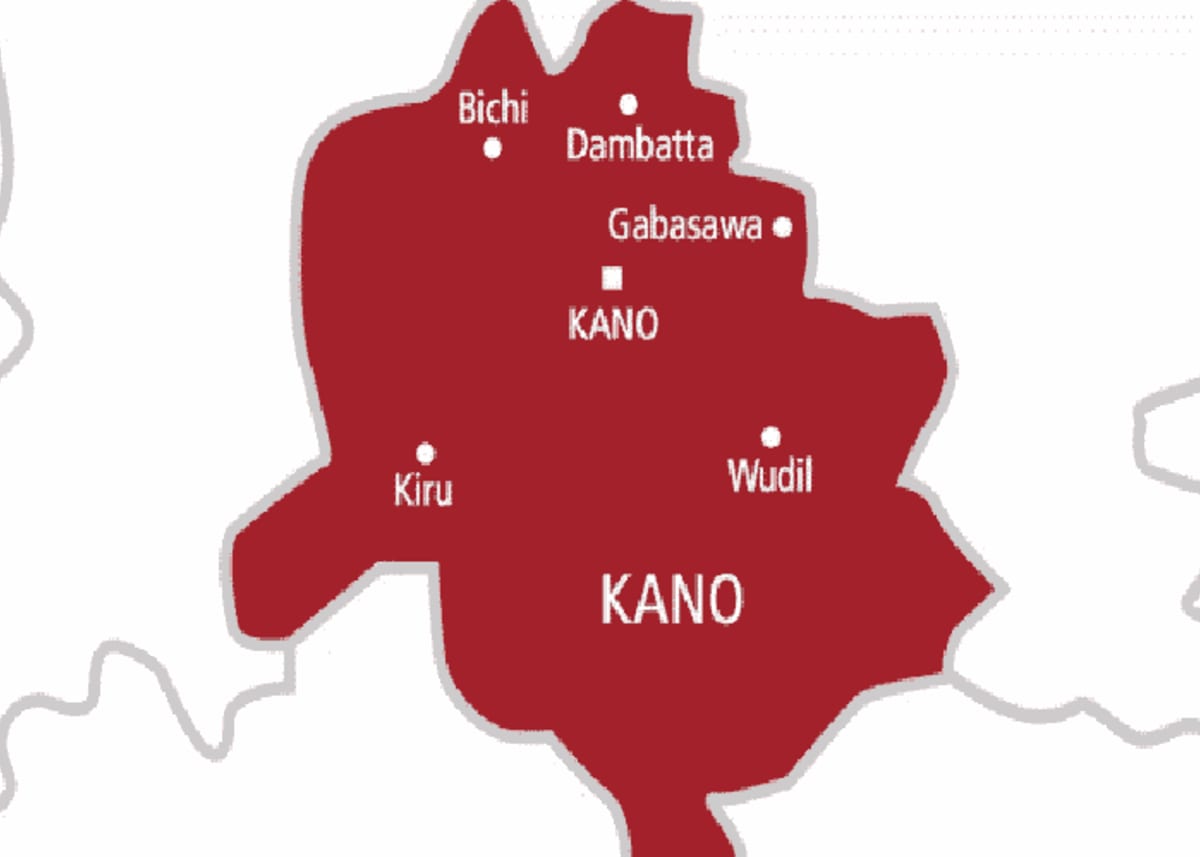
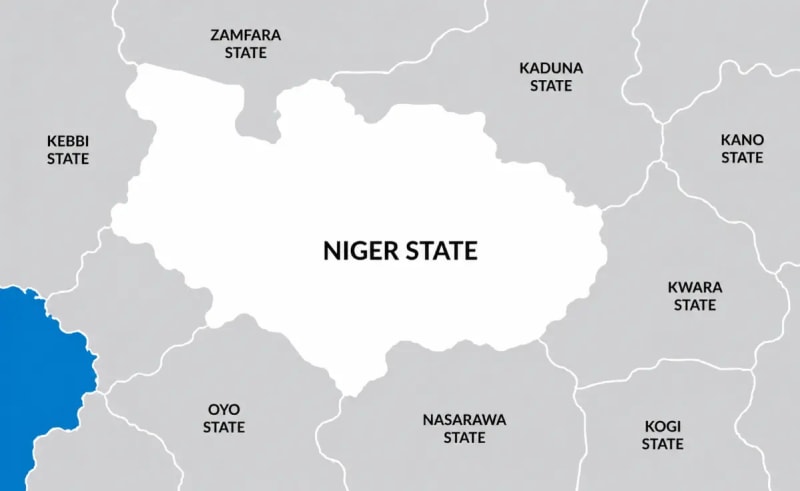
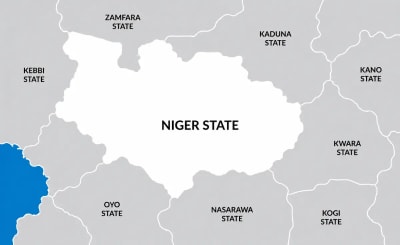
Kano State officials announced the confiscation of counterfeit medicines worth over N200 million during a targeted raid in the state. The operation, led by the Kano State Committee on Motor Parks and Other Public Places, reflects a broader effort to dismantle illegal drug distribution networks operating outside regulated channels. While the specific types of counterfeit drugs were not disclosed, such seizures typically involve falsified antibiotics, antimalarials, painkillers, and chronic disease medications, all of which pose severe risks to unsuspecting patients.
Why Public Health Officials Are Concerned
Counterfeit medicines represent one of the most insidious threats to global health security. Unlike expired or improperly stored drugs, counterfeit products often contain incorrect active ingredients, insufficient dosages, or toxic contaminants. In Nigeria, where malaria, tuberculosis, and bacterial infections remain leading causes of morbidity, the use of substandard antimalarials or antibiotics can lead to treatment failure, prolonged illness, and the development of drug resistant pathogens. The World Health Organization estimates that one in ten medical products in low and middle income countries is substandard or falsified, with Africa bearing a disproportionate burden of this crisis.
The economic impact is equally alarming. Patients who unknowingly purchase counterfeit drugs may spend limited resources on ineffective treatments, only to seek further care when symptoms persist. This cycle not only strains household finances but also increases the burden on already overstretched healthcare facilities. Moreover, the presence of fake medicines erodes public confidence in pharmacies, hospitals, and regulatory bodies, making it harder to implement essential health interventions such as vaccination campaigns or disease surveillance programs.
Who May Be Affected
The risks posed by counterfeit medicines extend far beyond individual patients. Vulnerable populations, including children, pregnant women, and individuals with chronic conditions such as diabetes or hypertension, are particularly at risk. In Kano State, where informal drug markets thrive due to economic pressures and supply chain gaps, low income families may be more likely to purchase cheaper, unregulated medications without realizing the dangers. Healthcare workers, too, face challenges when patients present with unexplained treatment failures or adverse reactions, complicating diagnosis and care.
Pharmaceutical manufacturers and legitimate distributors also suffer reputational and financial damage when counterfeit versions of their products flood the market. The presence of fake drugs can lead to decreased sales of genuine medications, discouraging investment in local drug production and innovation.
Government Response
Kano State officials have pledged to intensify efforts to combat the circulation of counterfeit medicines. The seizure follows a pattern of similar interventions across Nigeria, where the National Agency for Food and Drug Administration and Control (NAFDAC) has been at the forefront of regulatory enforcement. NAFDAC has previously conducted high profile raids on open drug markets, including the infamous Onitsha and Aba markets, where counterfeit pharmaceuticals have historically been traded with impunity.
In a statement, Kano State Governor Abba Kabir Yusuf emphasized the government’s commitment to protecting citizens from the dangers of substandard drugs. "The seizure of these counterfeit medicines is a clear message that we will not tolerate activities that endanger the lives of our people," he said. The state government has also called for increased collaboration with federal agencies, law enforcement, and community leaders to identify and dismantle illegal drug networks.
Prevention and Safety Guidance
For consumers, the first line of defense against counterfeit medicines is awareness. Health authorities urge the public to purchase medications only from licensed pharmacies, hospitals, or reputable retailers. Key red flags to watch for include:
- Unusually low prices compared to standard market rates.
- Poor quality packaging, including misspellings, blurry labels, or missing batch numbers and expiry dates.
- Medications sold in unsealed containers or without proper labeling.
- Sellers operating in unregulated settings such as motor parks, street markets, or online platforms without verifiable credentials.
Patients who suspect they have purchased counterfeit drugs are advised to report the incident to NAFDAC through its toll free number (0800 1 NAFDAC) or via its mobile app. Healthcare providers should also remain vigilant for signs of treatment failure, particularly in cases involving antibiotics or antimalarials, and report suspicious products to regulatory authorities.
What Readers Should Know
The battle against counterfeit medicines is not unique to Nigeria. It is a global challenge that requires coordinated action from governments, regulatory bodies, pharmaceutical companies, and consumers. In Africa, regional initiatives such as the African Medicines Regulatory Harmonization program aim to strengthen drug regulation and improve access to quality assured medicines. However, progress remains slow, and the persistence of fake drugs highlights the need for sustained investment in healthcare infrastructure, public education, and law enforcement.
For Kano State, the recent seizure is a step in the right direction, but it is only one part of a larger solution. Ensuring that every patient has access to safe, effective, and affordable medicines will require long term commitment, transparency, and community engagement. Until then, the fight against counterfeit drugs continues, one raid, one confiscation, and one informed consumer at a time.
Key Takeaways
- Kano State authorities seized counterfeit medicines worth over N200 million ($130,000) in a major crackdown on substandard drugs.
- Counterfeit medicines pose severe public health risks, including treatment failure, antimicrobial resistance, and preventable deaths.
- Vulnerable populations, such as children, pregnant women, and individuals with chronic conditions, are at heightened risk from fake drugs.
- Consumers should purchase medications only from licensed pharmacies and report suspicious products to regulatory authorities like NAFDAC.
- The fight against counterfeit drugs requires coordinated action from governments, healthcare providers, and the public to ensure access to safe and effective medicines.
Frequently Asked Questions
What are counterfeit medicines?
Counterfeit medicines are fake or substandard drugs that may contain incorrect ingredients, insufficient active ingredients, or harmful contaminants. They are often designed to mimic genuine medications but can cause serious health risks, including treatment failure and drug resistance.
How can I identify counterfeit drugs?
Look for red flags such as unusually low prices, poor quality packaging, misspellings on labels, missing expiry dates or batch numbers, and medications sold in unsealed containers. Always purchase drugs from licensed pharmacies or reputable retailers.
What should I do if I suspect I have purchased counterfeit medicine?
Stop using the medication immediately and report it to the National Agency for Food and Drug Administration and Control (NAFDAC) via their toll free number (0800 1 NAFDAC) or mobile app. You can also consult a healthcare provider for guidance.
Why are counterfeit drugs a major concern in Nigeria?
Nigeria faces significant challenges with counterfeit drugs due to gaps in drug regulation, economic pressures, and the proliferation of informal drug markets. Counterfeit medicines contribute to treatment failures, antimicrobial resistance, and loss of public trust in healthcare systems.
What is NAFDAC doing to combat counterfeit drugs?
NAFDAC conducts regular raids on illegal drug markets, collaborates with law enforcement, and educates the public on how to identify and report counterfeit medicines. The agency also works with international partners to strengthen drug regulation and enforcement.
Medical Review: MedSense Editorial Board









DISCUSSION (0)
POST A COMMENT