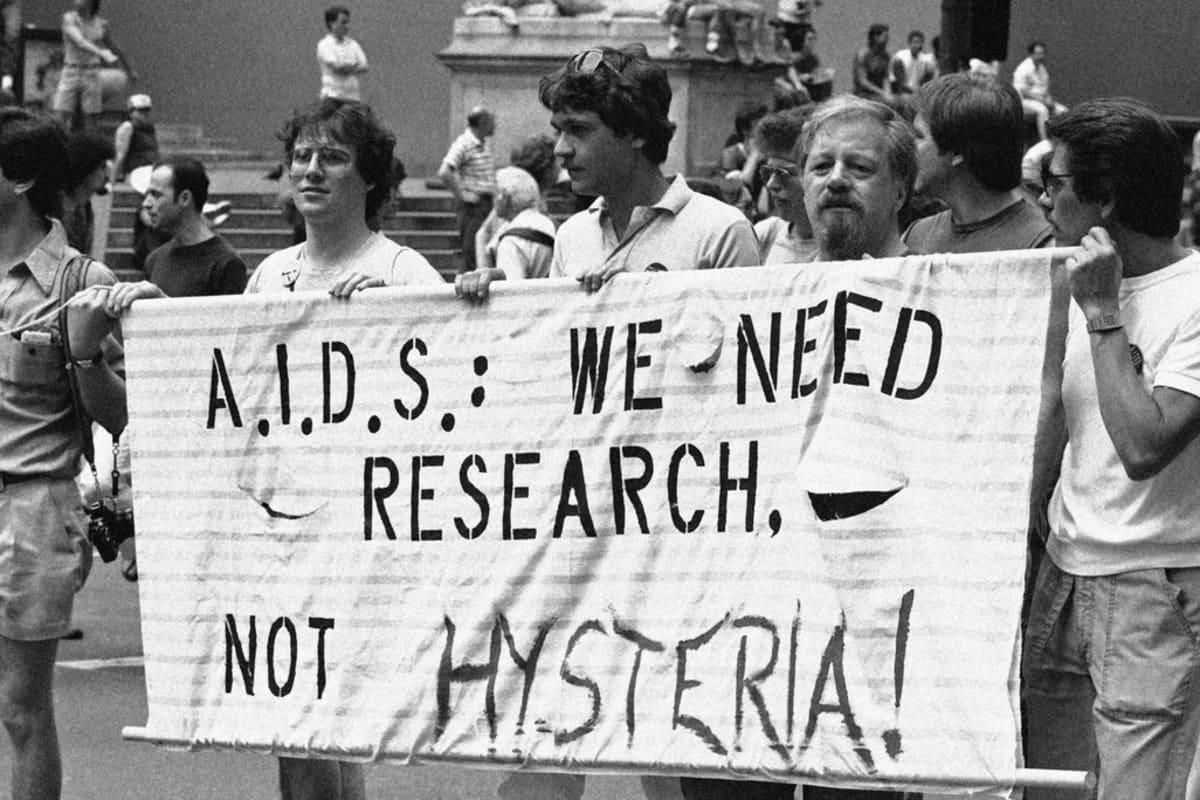
Forty three years ago today, a quiet but pivotal moment in medical history unfolded when the U.S. Centers for Disease Control and Prevention published a brief report that would alter the course of global health. On June 5, 1981, the CDC documented five cases of a rare pneumonia in previously healthy young men in Los Angeles, two of whom had already died. At the time, the condition had no name, no known cause, and no treatment. Yet this report marked the first official recognition of what would later be identified as HIV/AIDS, a pandemic that has since claimed over 40 million lives worldwide. The discovery was not just a medical milestone but a turning point in public health, reshaping how the world responds to emerging infectious diseases.
What Happened
On June 5, 1981, the CDC’s Morbidity and Mortality Weekly Report described five cases of Pneumocystis carinii pneumonia, a condition typically seen only in individuals with severely compromised immune systems. The patients, all young men in Los Angeles, had no prior history of immune dysfunction. Within weeks, similar cases emerged in New York and San Francisco, prompting urgent investigations. By 1982, the condition was formally named Acquired Immune Deficiency Syndrome, or AIDS, and in 1983, scientists identified the human immunodeficiency virus, or HIV, as its cause.
Why Public Health Officials Were Concerned
The initial cases were alarming not only because of their rarity but because of the speed at which the disease spread. Early reports revealed a pattern of transmission linked to sexual contact, blood transfusions, and intravenous drug use, though the exact mechanisms were not yet understood. The lack of effective treatments, combined with the stigma surrounding the affected communities, created a perfect storm for rapid transmission. By the mid 1980s, HIV/AIDS had become a global crisis, disproportionately affecting marginalized groups, including gay men, sex workers, and intravenous drug users. The epidemic exposed critical gaps in healthcare systems, disease surveillance, and public health messaging.
Who Was Affected
In the early years, HIV/AIDS was often referred to as a "gay disease" due to its initial concentration among men who have sex with men. However, the virus quickly spread beyond these communities. By the late 1980s, heterosexual transmission became a growing concern, particularly in sub Saharan Africa, where the epidemic took a devastating toll. Women, children, and hemophiliacs who received contaminated blood products were also among the hardest hit. The global response was slow at first, but advocacy groups like ACT UP and the Gay Men’s Health Crisis played a crucial role in pushing for research, funding, and policy changes.
Government and Global Response
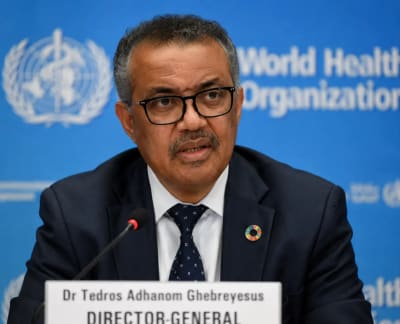
The initial response to HIV/AIDS was marked by hesitation and misinformation. In the U.S., the Reagan administration was criticized for its delayed action, while countries like Uganda and Brazil became early leaders in public health campaigns. The World Health Organization launched the Global Programme on AIDS in 1987, and by the 1990s, antiretroviral therapy began transforming HIV from a death sentence into a manageable chronic condition. The establishment of the Joint United Nations Programme on HIV/AIDS in 1996 further coordinated international efforts, leading to significant reductions in new infections and AIDS related deaths.
Prevention and Safety Guidance
Today, HIV is preventable and treatable, thanks to decades of research and public health initiatives. Key strategies include:
- Consistent and correct use of condoms during sexual activity.
- Pre exposure prophylaxis, or PrEP, a daily medication that reduces the risk of HIV infection by up to 99%.
- Post exposure prophylaxis, or PEP, an emergency treatment taken within 72 hours of potential exposure.
- Regular HIV testing, especially for individuals in high risk groups.
- Needle exchange programs to reduce transmission among intravenous drug users.
- Treatment as prevention, where individuals with HIV who maintain an undetectable viral load cannot transmit the virus to others.
What Readers Should Know
The story of HIV/AIDS is not just a historical footnote but a living lesson in the importance of early detection, equitable healthcare access, and destigmatizing disease. While significant progress has been made, challenges remain. Over 39 million people worldwide are living with HIV today, and nearly 10% are unaware of their status. In some regions, new infections are rising among young people and key populations. The fight against HIV/AIDS also intersects with broader health disparities, including access to testing, treatment, and education. As the world reflects on the events of June 5, 1981, the message is clear: vigilance, compassion, and sustained investment in public health are essential to ending the epidemic for good.
Key Takeaways
- June 5, 1981, marks the first official recognition of HIV/AIDS, when the CDC reported five cases of a rare pneumonia in young men.
- The early years of the epidemic were characterized by stigma, misinformation, and a lack of effective treatments, leading to rapid global spread.
- HIV/AIDS disproportionately affected marginalized communities, including gay men, sex workers, and people in sub Saharan Africa.
- Advances in antiretroviral therapy have transformed HIV from a fatal diagnosis to a manageable chronic condition, but disparities in access persist.
- Prevention strategies like PrEP, PEP, and treatment as prevention have significantly reduced new infections, but ongoing efforts are needed to end the epidemic.
Frequently Asked Questions
What was the significance of the June 5, 1981 CDC report?
The June 5, 1981 CDC report was the first official documentation of what would later be identified as HIV/AIDS. It described five cases of a rare pneumonia in previously healthy young men, signaling the start of a global epidemic that has since affected millions.
How did HIV/AIDS spread globally?
HIV/AIDS spread through sexual contact, contaminated blood transfusions, and intravenous drug use. Early cases were concentrated among gay men in the U.S., but the virus quickly spread to other populations, including heterosexual individuals and people in sub Saharan Africa.
What are the most effective ways to prevent HIV today?
Effective prevention strategies include consistent condom use, pre exposure prophylaxis (PrEP), post exposure prophylaxis (PEP), regular HIV testing, needle exchange programs, and treatment as prevention for individuals with HIV who maintain an undetectable viral load.
Is HIV still a major public health concern?
Yes, HIV remains a significant global health issue. While treatments have improved dramatically, over 39 million people are living with HIV worldwide, and new infections continue to occur, particularly in regions with limited access to healthcare and prevention services.
How has the global response to HIV/AIDS evolved since 1981?
The global response has evolved from initial hesitation and stigma to coordinated international efforts, including the development of antiretroviral therapy, the establishment of UNAIDS, and widespread public health campaigns. However, disparities in access to care and prevention persist.
Medical Review: MedSense Editorial Board













DISCUSSION (0)
POST A COMMENT