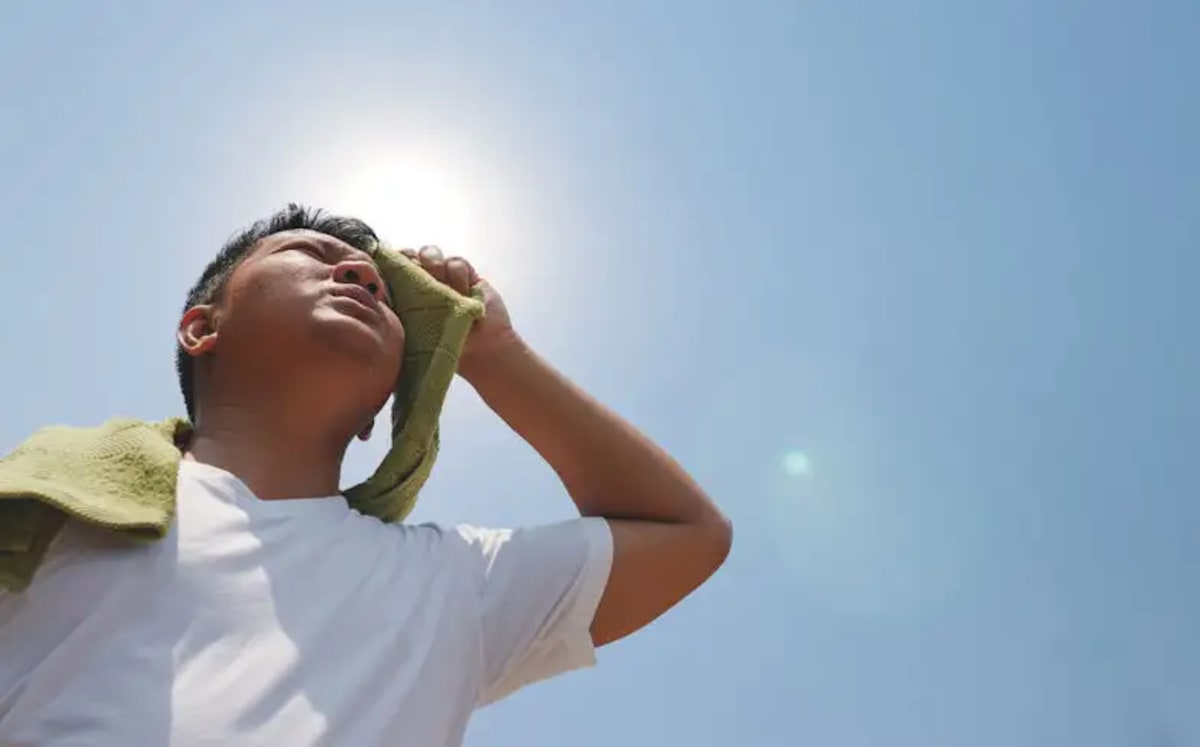
As temperatures climb, the risk of heat related illnesses escalates, turning a day in the sun into a potential medical emergency. Heat exhaustion and heatstroke are not just summer nuisances, they represent a spectrum of heat stress that can rapidly progress from discomfort to life threatening danger. While heat exhaustion often resolves with prompt cooling, heatstroke demands immediate medical intervention to prevent organ damage or death. Public health officials warn that vulnerable groups, including the elderly, young children, and those with chronic conditions, face heightened risks, but even healthy individuals can succumb during intense physical activity or prolonged exposure. Knowing the warning signs and how to respond could mean the difference between recovery and a trip to the emergency room.
What Happened
Extreme heat forces the body into overdrive as it struggles to maintain a safe internal temperature. Heat exhaustion occurs when the body overheats, typically due to prolonged exposure to high temperatures or strenuous activity. If left unaddressed, it can escalate into heatstroke, a severe condition where the body’s temperature regulation fails entirely. Unlike heat exhaustion, heatstroke is a medical emergency that can cause irreversible damage to the brain, heart, kidneys, and muscles within minutes.
Why Public Health Officials Are Concerned
Heat related illnesses are preventable, yet they remain a leading cause of weather related deaths worldwide. The UK Health Security Agency and similar bodies globally emphasize that rising temperatures due to climate change are increasing the frequency and severity of heatwaves. Vulnerable populations, such as older adults, infants, and individuals with heart disease, diabetes, or respiratory conditions, are at greater risk, but no one is immune. Even athletes and outdoor workers can succumb to heatstroke if they push their limits without adequate hydration or rest.
Symptoms or Risk Factors
Heat Exhaustion:
- Heavy sweating and clammy skin
- Rapid, weak pulse
- Muscle cramps or weakness
- Dizziness, nausea, or headache
- Fatigue or irritability
- In children, signs may include lethargy, fussiness, or refusal to drink
Heatstroke (Medical Emergency):
- Body temperature of 40°C (104°F) or higher
- Hot, dry skin (sweating may stop)
- Confusion, slurred speech, or loss of consciousness
- Seizures or severe headache
- Rapid, strong pulse
- Possible fainting or collapse
Certain medications, such as diuretics, antihistamines, or beta blockers, can impair the body’s ability to regulate temperature or increase dehydration risk. Alcohol consumption and lack of acclimatization to heat also heighten susceptibility.
Who May Be Affected
While extreme heat poses a universal threat, specific groups face elevated risks:
- Older adults: Reduced ability to sense heat and regulate body temperature, compounded by chronic illnesses or medications.
- Infants and young children: Limited ability to communicate discomfort or hydrate independently.
- Outdoor workers and athletes: Prolonged physical exertion in high temperatures increases heat stress.
- People with chronic conditions: Heart disease, diabetes, obesity, and respiratory disorders can impair heat tolerance.
- Low income communities: Limited access to air conditioning or shaded spaces exacerbates exposure risks.
Prevention and Safety Guidance
Preventing heat related illnesses requires proactive measures, especially during heatwaves:
- Stay hydrated: Drink water regularly, even if not thirsty. Avoid alcohol and caffeine, which can dehydrate the body.
- Dress appropriately: Wear loose, lightweight, light colored clothing and a wide brimmed hat.
- Limit exposure: Stay indoors during peak heat hours (10 a.m. to 4 p.m.). If outdoors, seek shade and take frequent breaks.
- Cool down: Use fans, cool showers, or damp cloths to lower body temperature. Avoid relying solely on electric fans in extreme heat, as they may not prevent heatstroke.
- Monitor vulnerable individuals: Check on elderly neighbors, young children, and those with chronic illnesses regularly.
- Acclimatize gradually: Allow the body to adapt to heat over several days, especially for those new to hot climates or intense physical activity.
What to Do in an Emergency
For Heat Exhaustion:
- Move the person to a cooler place, preferably indoors or in the shade.
- Encourage them to lie down and elevate their legs slightly.
- Provide cool (not icy) water or sports drinks with electrolytes.
- Apply cool, wet cloths to the skin or use a fan to aid evaporation.
- Loosen tight clothing and remove unnecessary layers.
- Monitor symptoms closely. If they worsen or do not improve within 30 minutes, seek medical help.
For Heatstroke (Call Emergency Services Immediately):
- Dial emergency services (999 in the UK, 911 in the US, or local equivalents).
- Move the person to a cooler environment and remove excess clothing.
- Cool the body rapidly using any available method: immerse in cool water, apply ice packs to the neck, armpits, and groin, or sponge with cool water.
- Do not give fluids if the person is unconscious or vomiting.
- Stay with them until help arrives.
What Readers Should Know
Heat related illnesses are not confined to tropical climates or extreme heatwaves. Even moderate temperatures can pose risks, particularly for those unaccustomed to heat. Public health campaigns emphasize that awareness and preparation are key, knowing the signs, staying hydrated, and acting quickly can save lives. Employers, schools, and community organizations should also implement heat safety protocols, such as adjusted work schedules and access to cooling centers, to protect vulnerable populations. In an era of rising global temperatures, heat preparedness is no longer optional, it’s a critical component of public health.
Key Takeaways
- Heat exhaustion can progress to life threatening heatstroke within minutes if untreated.
- Vulnerable groups, including the elderly, young children, and those with chronic conditions, are at higher risk, but even healthy individuals can be affected.
- Recognizing symptoms early and taking immediate cooling measures can prevent severe complications.
- Prevention strategies, such as hydration, appropriate clothing, and limiting heat exposure, are essential during high temperatures.
- Heatstroke is a medical emergency requiring urgent intervention to avoid organ damage or death.
Frequently Asked Questions
How can I tell the difference between heat exhaustion and heatstroke?
Heat exhaustion typically involves heavy sweating, weakness, and dizziness, while heatstroke is characterized by a body temperature of 40°C or higher, hot dry skin, confusion, or loss of consciousness. Heatstroke is a medical emergency requiring immediate attention.
What should I do if someone stops sweating during extreme heat?
If someone stops sweating in high temperatures, it may indicate heatstroke. Move them to a cooler place, cool their body rapidly with water or ice packs, and call emergency services immediately. Do not wait for symptoms to improve.
Are certain medications linked to higher heatstroke risk?
Yes. Medications like diuretics, antihistamines, beta blockers, and some antidepressants can impair the body’s ability to regulate temperature or increase dehydration risk. Check with a healthcare provider about heat related risks if you take these medications.
Can children or pets be left in a parked car during hot weather?
Never. Temperatures inside a parked car can rise to deadly levels within minutes, even with the windows cracked. Children and pets should never be left unattended in a vehicle during hot weather.
How long does it take to recover from heat exhaustion?
Most people recover from heat exhaustion within 30 minutes to an hour with proper cooling and hydration. If symptoms persist beyond 30 minutes or worsen, seek medical attention as it may indicate heatstroke.
Medical Review: MedSense Editorial Board


















DISCUSSION (0)
POST A COMMENT