
The Democratic Republic of Congo is grappling with its 17th Ebola outbreak, but this time the threat is unlike any before. The Bundibugyo strain, responsible for just three known outbreaks in history, has no approved vaccines or treatments, leaving health officials scrambling to contain its spread. With cases already confirmed and the risk of wider transmission looming, the race to develop a vaccine has become a global health priority. Experts warn that delays could have catastrophic consequences, not just for the DRC but for regions far beyond its borders. This outbreak underscores a critical gap in pandemic preparedness. While vaccines exist for the more common Zaire strain of Ebola, the Bundibugyo variant has remained largely overlooked, until now. The World Health Organization and leading virologists are calling for accelerated research, but the clock is ticking. Every day without a vaccine increases the risk of the virus slipping through containment efforts and sparking a larger crisis.
What Happened
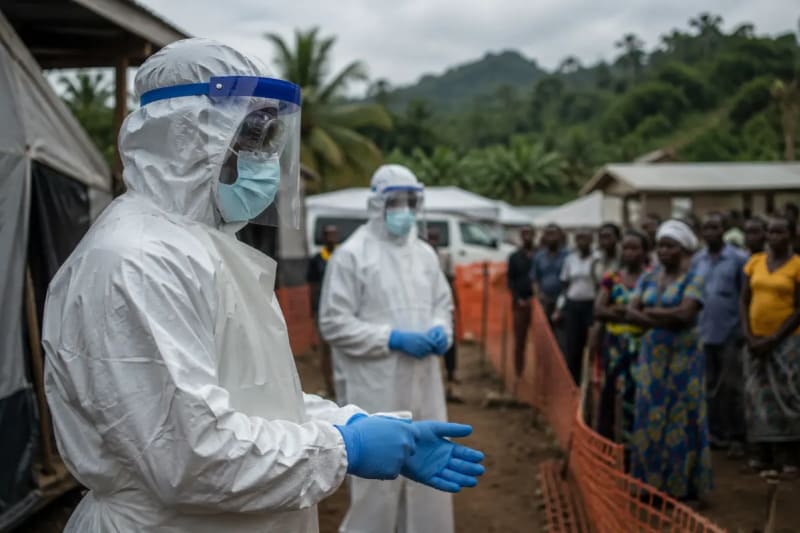
The Democratic Republic of Congo has confirmed its third outbreak of the rare Bundibugyo strain of Ebola, marking the 17th Ebola outbreak in the country overall. Unlike previous outbreaks caused by the more familiar Zaire strain, for which vaccines and treatments exist, the Bundibugyo variant has no approved medical countermeasures. This leaves healthcare workers and communities vulnerable as the virus spreads in a region already burdened by conflict, weak infrastructure, and limited access to medical care.
Why Public Health Officials Are Concerned
The Bundibugyo strain, first identified in 2007, has a lower fatality rate than the Zaire strain but remains a serious threat due to its potential for rapid transmission. Previous outbreaks in Uganda and the DRC demonstrated how quickly the virus can cross borders, particularly in areas with high population mobility. The lack of approved vaccines or treatments means containment relies heavily on traditional public health measures, contact tracing, isolation, and community engagement, which are difficult to implement in conflict zones.
Global health experts are particularly alarmed because the Bundibugyo strain has not been a priority for vaccine development. The existing Ebola vaccines, such as Ervebo, are effective against the Zaire strain but offer no protection against Bundibugyo. This gap in preparedness could allow the virus to spread unchecked, potentially leading to a larger outbreak with devastating consequences.
Who May Be Affected
The current outbreak is concentrated in the eastern DRC, a region already struggling with ongoing violence and displacement. Healthcare workers, who are on the front lines of containment efforts, face the highest immediate risk. However, the broader population, particularly those in densely populated areas or with limited access to healthcare, remains vulnerable. Travelers, aid workers, and neighboring countries are also at risk if the virus crosses borders, as seen in previous Ebola outbreaks.
Government and WHO Response
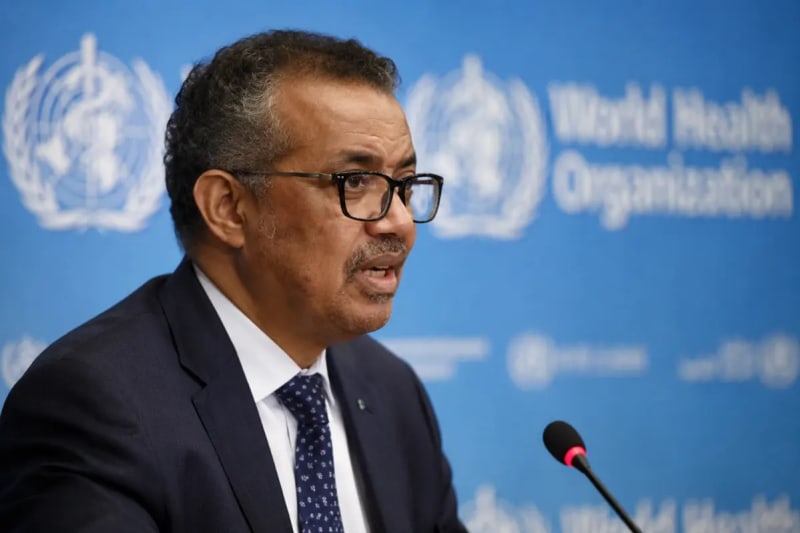
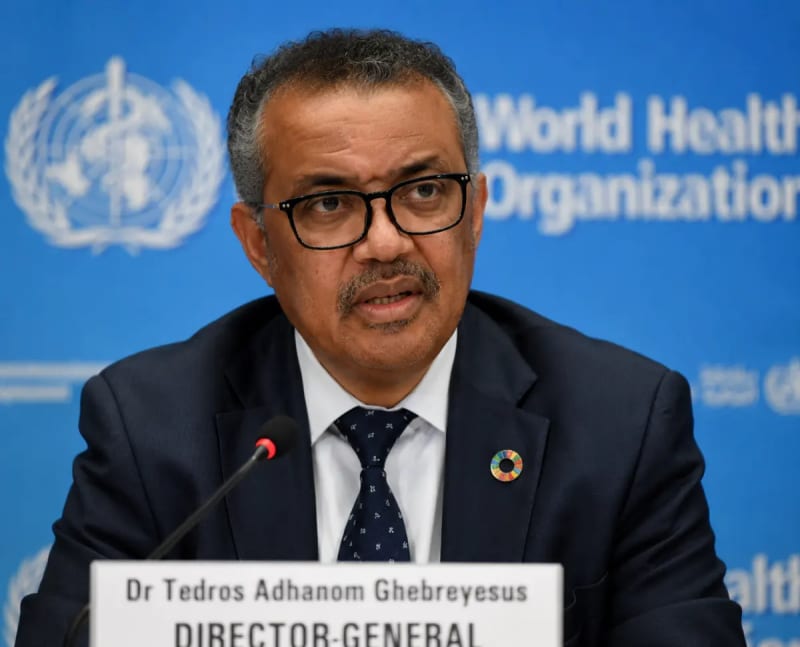
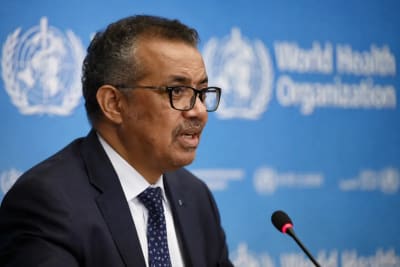
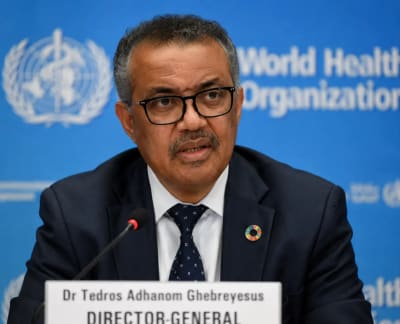
The World Health Organization has activated its emergency response protocols, deploying teams to support local health authorities in surveillance, case management, and community engagement. The WHO has also called for increased funding and research to accelerate the development of a Bundibugyo specific vaccine. Meanwhile, the DRC government is working with international partners to strengthen containment measures, including the establishment of treatment centers and the training of healthcare workers.
However, challenges remain. The region’s instability, combined with logistical hurdles, complicates efforts to reach affected communities. The WHO has warned that without a coordinated global response, the outbreak could spiral out of control.
Prevention and Safety Guidance
Until a vaccine is developed, prevention relies on basic public health measures. These include:
- Regular handwashing with soap and water or alcohol based sanitizers.
- Avoiding direct contact with bodily fluids of infected individuals or animals.
- Isolating suspected cases immediately and reporting them to health authorities.
- Using personal protective equipment for healthcare workers and caregivers.
- Safe burial practices to prevent transmission from deceased individuals.
Communities are urged to stay informed through official health channels and avoid misinformation, which can undermine containment efforts.
What Readers Should Know
This outbreak is a stark reminder of the unpredictable nature of infectious diseases. While the Bundibugyo strain is less deadly than the Zaire strain, its lack of approved vaccines or treatments makes it a significant public health threat. The global response will test the world’s ability to address emerging pathogens quickly and effectively.
For those in affected regions, vigilance is critical. Early detection and rapid response can mean the difference between containment and catastrophe. For the rest of the world, this outbreak serves as a call to action, highlighting the need for sustained investment in pandemic preparedness and vaccine research.
Key Takeaways
- The Bundibugyo strain of Ebola has no approved vaccines or treatments, making this outbreak particularly dangerous.
- Global health officials are racing to develop a vaccine, but containment efforts currently rely on traditional public health measures.
- The outbreak is occurring in a conflict zone, complicating response efforts and increasing the risk of wider transmission.
- Prevention depends on basic hygiene, isolation of cases, and community engagement to stop the spread.
Frequently Asked Questions
What is the Bundibugyo strain of Ebola?
The Bundibugyo strain is a rare variant of the Ebola virus, first identified in 2007. It has caused only three known outbreaks, all in Africa, and has a lower fatality rate than the more common Zaire strain. However, no approved vaccines or treatments exist for this strain.
Why is this outbreak different from previous Ebola outbreaks?
Unlike previous outbreaks caused by the Zaire strain, for which vaccines and treatments are available, the Bundibugyo strain lacks approved medical countermeasures. This makes containment more challenging and increases the risk of wider transmission.
What are the symptoms of Ebola Bundibugyo?
Symptoms are similar to other Ebola strains and include fever, fatigue, muscle pain, headache, and sore throat, followed by vomiting, diarrhea, rash, and in some cases, internal and external bleeding. Symptoms typically appear 2 to 21 days after exposure.
How can I protect myself if I live in or travel to an affected area?
Avoid contact with bodily fluids of infected individuals or animals, practice regular handwashing, and follow local health advisories. If you suspect you have been exposed, seek medical attention immediately and isolate yourself to prevent further transmission.
Is there a vaccine for the Bundibugyo strain?
No, there are currently no approved vaccines or treatments for the Bundibugyo strain of Ebola. Research is underway to develop a vaccine, but until then, prevention relies on public health measures like isolation, contact tracing, and hygiene practices.
Medical Review: MedSense Editorial Board











DISCUSSION (0)
POST A COMMENT