
In a decisive move to prevent another deadly Ebola outbreak, UNICEF and Gavi, the Vaccine Alliance, have issued a global call to vaccine manufacturers to accelerate the development of a vaccine targeting the Bundibugyo ebolavirus. The initiative, announced today, comes as public health experts warn that the rare but lethal strain could emerge without warning in vulnerable regions of Central Africa. With Gavi committing 40 million US dollars to support rapid vaccine access, the Request for Expression of Interest aims to identify manufacturers capable of scaling up production to meet potential demand before an outbreak takes hold. The Bundibugyo strain, though less known than its more infamous cousins like Zaire ebolavirus, has demonstrated a fatality rate of up to 50 percent in past outbreaks. Its unpredictable emergence in remote, conflict affected areas of the Democratic Republic of the Congo has made containment efforts particularly challenging. This latest push by global health agencies reflects a growing recognition that preparedness, not just response, must be the cornerstone of epidemic control in high risk regions.
What Happened
UNICEF and Gavi have launched a Request for Expression of Interest, inviting vaccine developers and manufacturers worldwide to submit their plans for developing a vaccine against the Bundibugyo ebolavirus. The call is part of a broader strategy to preemptively address gaps in vaccine availability for lesser known but high risk pathogens. Gavi’s 40 million US dollar commitment will be used to support manufacturing scale up, regulatory approval processes, and equitable distribution mechanisms, particularly in low income countries where outbreaks are most likely to occur.
The Bundibugyo strain was first identified in 2007 during an outbreak in Uganda that killed 37 people. Since then, sporadic cases have been reported in the Democratic Republic of the Congo, often in areas with limited healthcare infrastructure. Unlike the Zaire strain, which has seen significant vaccine development efforts following the 2014 2016 West Africa epidemic, Bundibugyo has received far less attention, until now.
Why Public Health Officials Are Concerned
The Bundibugyo ebolavirus presents a unique set of challenges for public health systems. Its lower profile compared to other Ebola strains has meant fewer resources allocated to research and vaccine development. Yet, its potential for rapid spread in remote, underserved communities makes it a ticking time bomb. Past outbreaks have shown that delays in vaccine availability can lead to preventable deaths and prolonged transmission chains, particularly in regions where healthcare workers are already stretched thin.
Dr. Seth Berkley, CEO of Gavi, emphasized the importance of proactive measures in a statement accompanying the announcement. "We cannot wait for an outbreak to happen before we act," he said. "The lessons from past Ebola epidemics have taught us that preparedness saves lives. By investing in vaccine development now, we can ensure that communities at risk have access to life saving tools before the next crisis hits."
Who May Be Affected
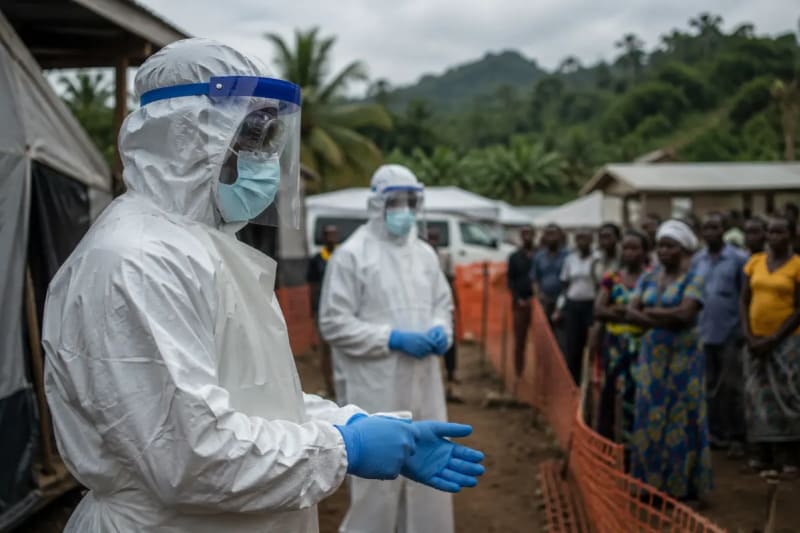
The primary populations at risk are communities in Central Africa, particularly in the Democratic Republic of the Congo, Uganda, and surrounding countries. These regions have experienced repeated Ebola outbreaks, often exacerbated by conflict, displacement, and weak healthcare systems. Healthcare workers, who are frequently the first line of defense during outbreaks, are also at heightened risk due to their exposure to infected patients.
Beyond immediate health risks, outbreaks of Bundibugyo ebolavirus can have devastating economic and social consequences. Fear of transmission can lead to stigma, displacement, and the breakdown of local economies, as seen in previous Ebola epidemics. Vaccination campaigns, when available, have proven effective in reducing transmission and restoring community trust.
Government and WHO Response
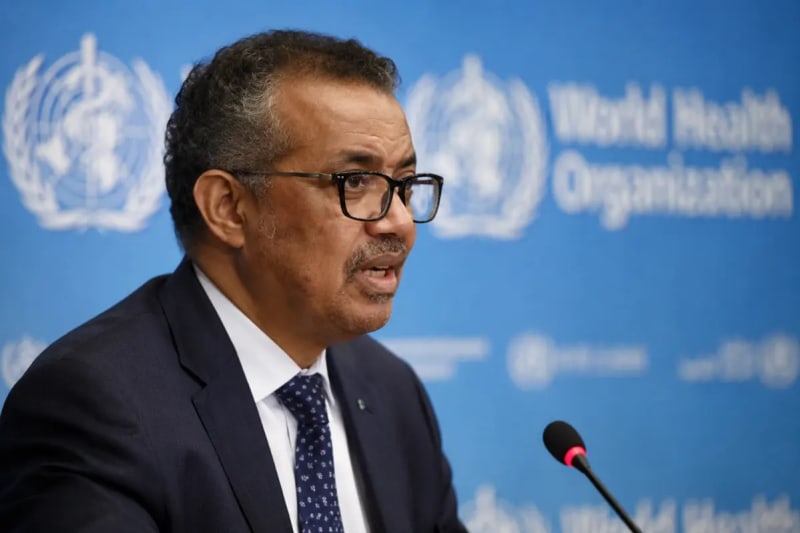
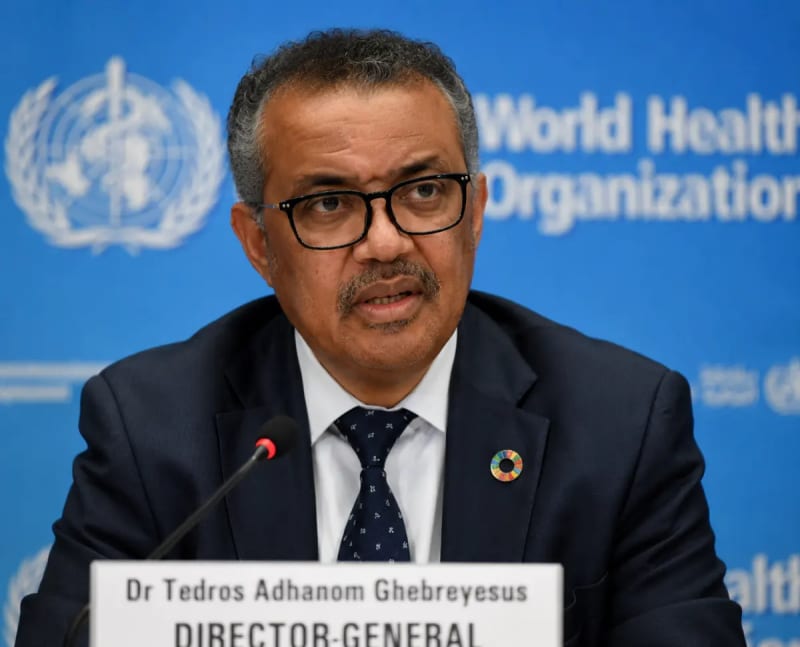
The World Health Organization has classified the Bundibugyo ebolavirus as a priority pathogen, recognizing its potential to cause significant public health emergencies. While no active outbreaks are currently reported, the WHO has repeatedly stressed the need for accelerated vaccine development to prevent future crises. This latest initiative by UNICEF and Gavi aligns with the WHO’s broader strategy to strengthen global preparedness for emerging infectious diseases.
National governments in high risk regions have also begun to take notice. The Democratic Republic of the Congo, which has battled multiple Ebola outbreaks in recent years, has expressed support for the initiative. In a statement, the country’s Ministry of Health highlighted the importance of international collaboration in addressing gaps in vaccine access, particularly for strains that receive less global attention.
Prevention and Safety Guidance
While vaccine development is underway, public health agencies continue to emphasize the importance of traditional outbreak control measures. These include:
- Rapid detection and isolation of cases to prevent transmission.
- Contact tracing to identify and monitor individuals who may have been exposed.
- Community engagement to address misinformation and reduce stigma.
- Strengthening healthcare infrastructure to improve infection control practices.
For travelers to regions where Ebola outbreaks have occurred, the WHO recommends avoiding contact with bodily fluids of infected individuals, practicing good hand hygiene, and seeking medical attention immediately if symptoms such as fever, fatigue, or unexplained bleeding develop.
What Readers Should Know
This initiative represents a critical shift in how global health agencies approach epidemic preparedness. Rather than reacting to outbreaks after they occur, the focus is now on preemptive action, developing vaccines and treatments for high risk pathogens before they become public health emergencies. For the Bundibugyo ebolavirus, this could mean the difference between a contained outbreak and a full blown crisis.
However, challenges remain. Vaccine development is a complex, time consuming process, and even with funding and manufacturer interest, it could take years before a licensed vaccine is widely available. In the meantime, strengthening healthcare systems and improving surveillance in high risk regions will be essential to mitigating the threat.
For communities in Central Africa, the message is clear: while the world works to develop new tools, vigilance and preparedness remain the best defenses against Ebola and other emerging infectious diseases.
Key Takeaways
- UNICEF and Gavi have launched a global call to manufacturers to accelerate the development of a Bundibugyo ebolavirus vaccine, backed by $40 million in funding.
- The Bundibugyo strain, though less known, has a fatality rate of up to 50 percent and poses a significant risk to communities in Central Africa.
- This initiative reflects a shift toward proactive epidemic preparedness, focusing on vaccine development before outbreaks occur.
- Traditional outbreak control measures, such as rapid detection, contact tracing, and community engagement, remain critical while vaccine development is underway.
Frequently Asked Questions
What is the Bundibugyo ebolavirus?
The Bundibugyo ebolavirus is one of six known species of the Ebola virus. It was first identified in 2007 during an outbreak in Uganda and has since caused sporadic cases in the Democratic Republic of the Congo. While less studied than the Zaire strain, it has demonstrated a fatality rate of up to 50 percent in past outbreaks.
Why is this vaccine initiative important?
This initiative is important because it addresses a critical gap in global preparedness. Unlike more well known Ebola strains, the Bundibugyo strain has received little attention in terms of vaccine development. By proactively investing in a vaccine, UNICEF and Gavi aim to prevent future outbreaks from spiraling into public health emergencies.
How long will it take to develop a Bundibugyo ebolavirus vaccine?
Vaccine development is a complex process that typically takes several years, even with accelerated funding and manufacturer interest. The timeline depends on factors such as regulatory approvals, clinical trials, and manufacturing scale up. However, the goal of this initiative is to significantly shorten the timeframe by engaging manufacturers early in the process.
What can communities at risk do to protect themselves?
Communities in high risk regions should focus on outbreak preparedness and prevention. This includes staying informed about symptoms, practicing good hand hygiene, avoiding contact with bodily fluids of infected individuals, and supporting local healthcare systems. Community engagement and trust building are also critical to reducing stigma and ensuring rapid response during outbreaks.
How does this initiative fit into broader global health efforts?
This initiative aligns with the World Health Organization’s strategy to strengthen global preparedness for emerging infectious diseases. It reflects a growing recognition that proactive measures, such as vaccine development for high risk pathogens, are essential to preventing future epidemics. The approach could serve as a model for addressing other neglected diseases with outbreak potential.
Medical Review: MedSense Editorial Board












DISCUSSION (0)
POST A COMMENT