
A new study suggests that genetic variants influencing taste preferences for sweet or fatty foods may drive higher consumption of these foods, increasing risks for obesity and type 2 diabetes. Researchers analyzed data from over 6,000 adults, identifying specific genes tied to cravings and metabolic outcomes. The findings underscore the role of genetics in dietary habits and long term health, potentially paving the way for personalized nutrition strategies.
Genetic clues to food cravings and health risks
Why do some people reach for sugary snacks while others barely notice them? A growing body of research suggests that genetics may play a significant role in shaping our food preferences and, consequently, our metabolic health. A new study published in *Nature Human Behaviour* provides preliminary evidence that certain genetic variants not only influence taste preferences but also correlate with higher risks of obesity and type 2 diabetes.
The study, led by researchers at the University of Edinburgh, analyzed genetic and dietary data from over 6,000 adults. Participants who carried variants in genes associated with a heightened preference for sweet or fatty foods were more likely to consume these foods regularly. These individuals also exhibited higher body mass index (BMI) and increased markers of insulin resistance, both of which are risk factors for metabolic diseases.
How genes shape what we eat
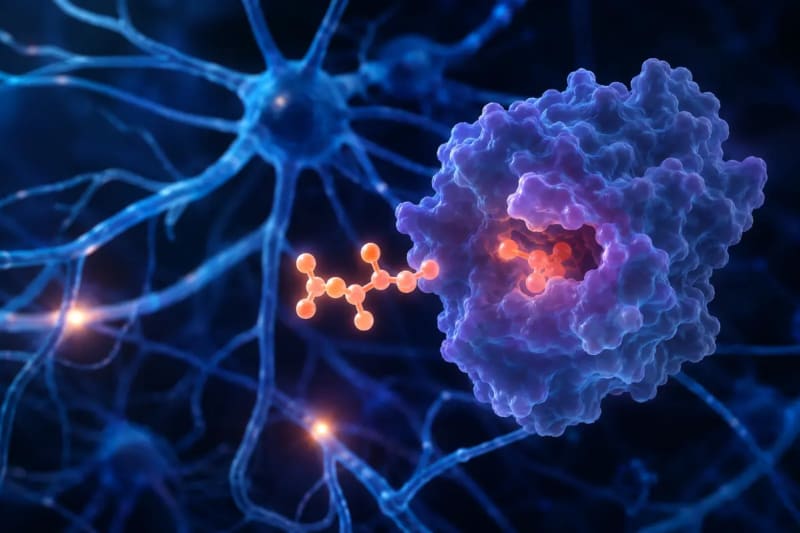
The research focused on specific genes known to influence taste perception, including TAS1R2 and TAS1R3, which encode receptors for sweet tastes, and CD36, linked to fat detection. Variations in these genes were found to alter taste sensitivity, making some individuals more prone to craving sweets or high fat foods. For example, people with certain variants of TAS1R2 reported stronger preferences for sugar and consumed more sugary beverages than those without these variants.
Interestingly, the study also revealed that genetic predispositions for food preferences were not uniform across populations. While some variants were associated with increased cravings for sweets, others correlated with a preference for salty or savory foods. This variability highlights the complexity of genetic influences on diet and suggests that personalized dietary recommendations may need to account for individual genetic profiles.
Metabolic consequences of genetic taste preferences
The link between genetic taste preferences and metabolic health was one of the study’s most striking findings. Participants with genetic variants linked to higher sugar or fat intake had a 20% to 30% increased risk of obesity compared to those without these variants. Additionally, their likelihood of developing insulin resistance, a precursor to type 2 diabetes, was significantly higher. These associations remained even after adjusting for factors such as age, sex, and socioeconomic status.
The researchers noted that while genetics play a role in food preferences, they do not act in isolation. Environmental factors, such as food availability and cultural norms, also shape dietary habits. However, the study’s findings suggest that genetic predispositions may create a biological inclination toward certain foods, making it harder for some individuals to resist cravings without targeted interventions.
Implications for personalized nutrition
The study’s authors emphasize that these findings could have practical applications in public health and clinical practice. By identifying individuals with genetic variants that predispose them to unhealthy food preferences, healthcare providers may be able to offer more tailored dietary advice. For example, someone with a strong genetic inclination toward sweets might benefit from structured meal plans that limit sugar intake or from behavioral strategies to manage cravings.
Dr. Nicola Pirastu, lead author of the study, stated, "Our findings suggest that genetics can influence not just what we like to eat, but how our bodies respond to those foods. This could help explain why some people struggle with weight gain or metabolic diseases despite following general dietary guidelines."
Limitations and future directions
While the study provides valuable insights, it also has limitations. The research was observational, meaning it could not establish a direct causal relationship between genetic variants and metabolic outcomes. Additionally, the study population was primarily of European ancestry, which may limit the generalizability of the findings to other ethnic groups. Future research could explore whether similar genetic influences exist across diverse populations and whether targeted interventions can mitigate the metabolic risks associated with genetic taste preferences.
Key Takeaways
- Genetic variants linked to sweet or fatty taste preferences may increase consumption of these foods and raise risks for obesity and type 2 diabetes.
- Variations in genes like TAS1R2, TAS1R3, and CD36 influence taste sensitivity and dietary habits.
- Personalized nutrition strategies could help individuals with genetic predispositions manage cravings and metabolic health.
Frequently Asked Questions
Can genetic testing identify my risk for unhealthy food cravings?
Genetic testing can reveal variants associated with taste preferences, but it cannot predict cravings with certainty. These tests are still emerging and not yet widely used in clinical practice.
Does this mean people with these genetic variants are destined to develop obesity or diabetes?
No. While genetics play a role, lifestyle factors like diet and exercise can significantly influence metabolic health. The study highlights risk factors, not inevitabilities.
How can I use this information to improve my diet?
Focus on balanced meals, limit processed sugars and fats, and consider consulting a dietitian for personalized advice. Small, sustainable changes often yield the best long term results.
Published by Damilare | Review by MedSense Editorial Board
















DISCUSSION (0)
POST A COMMENT