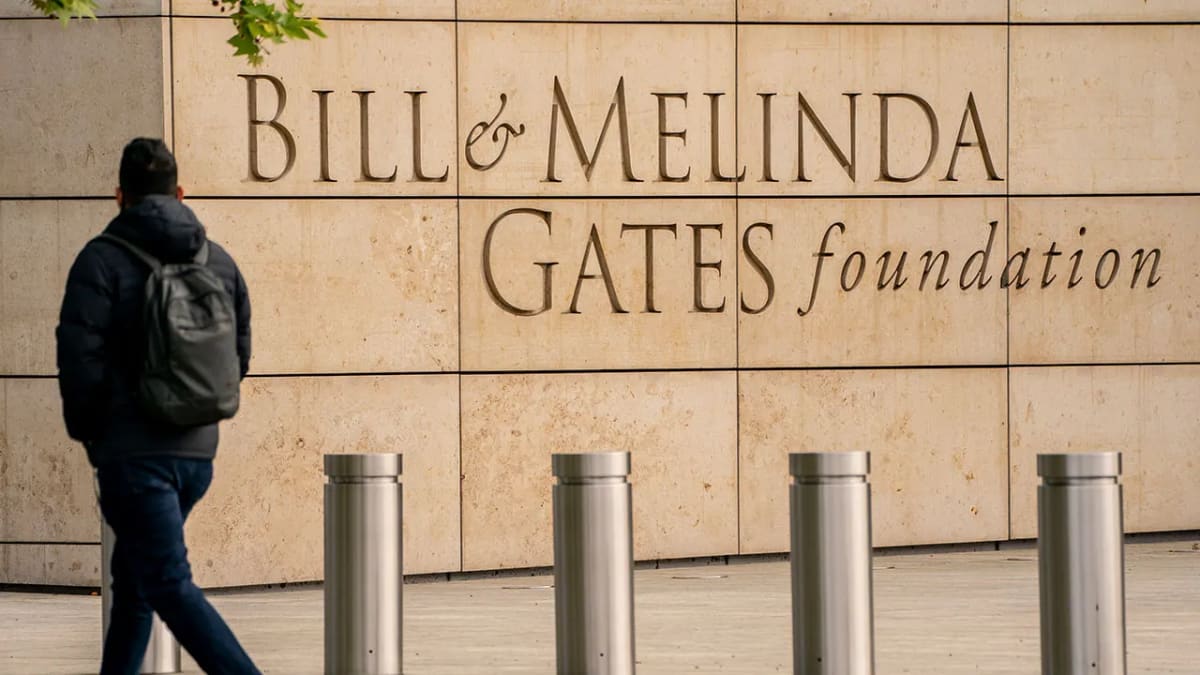
The Bill & Melinda Gates Foundation has mobilized $15 million in emergency funding to support Ebola containment efforts in the Democratic Republic of Congo and Uganda, as health authorities confront a growing outbreak with cross border transmission risks. The announcement comes amid rising concerns over the Bundibugyo strain of the virus, which has already claimed lives and strained fragile healthcare systems in the region. With cases reported in both countries, the funding aims to bolster surveillance, treatment, and community engagement to prevent a wider crisis. Ebola outbreaks in Central Africa have historically been difficult to control due to porous borders, conflict zones, and limited healthcare infrastructure. The current situation underscores the urgent need for coordinated international support to prevent the virus from gaining a foothold in densely populated areas. The Gates Foundation’s commitment arrives as the World Health Organization and local health ministries scale up response efforts, including vaccination campaigns and contact tracing.
What Happened
The Gates Foundation announced a $15 million emergency grant on Sunday to support Ebola containment efforts in the Democratic Republic of Congo and Uganda. The funding targets the Bundibugyo strain of the Ebola virus, which has been detected in communities near the shared border of both countries. The foundation’s statement emphasized the high risk of further spread, particularly in areas with limited healthcare access and ongoing displacement due to conflict.
Why Public Health Officials Are Concerned
The Bundibugyo strain, while less deadly than the Zaire strain responsible for the 2014 2016 West Africa epidemic, remains a serious public health threat. Early symptoms can mimic malaria or typhoid, delaying diagnosis and allowing the virus to spread undetected. Cross border movement between DRC and Uganda complicates containment efforts, as infected individuals may seek care in either country, increasing the risk of transmission to healthcare workers and family members.
Previous Ebola outbreaks in the region have demonstrated how quickly the virus can overwhelm local health systems. The 2018 2020 outbreak in eastern DRC, for example, resulted in over 2,000 deaths and required a massive international response to bring under control. Public health experts warn that even a single undetected case can spark a new cluster, particularly in areas with low vaccination coverage or distrust of medical interventions.
Symptoms and Risk Factors
Ebola virus disease typically begins with sudden fever, fatigue, muscle pain, and sore throat, progressing to vomiting, diarrhea, rash, and in severe cases, internal and external bleeding. The Bundibugyo strain has a lower fatality rate than other Ebola strains but still poses a significant risk to vulnerable populations, including children, the elderly, and those with underlying health conditions.
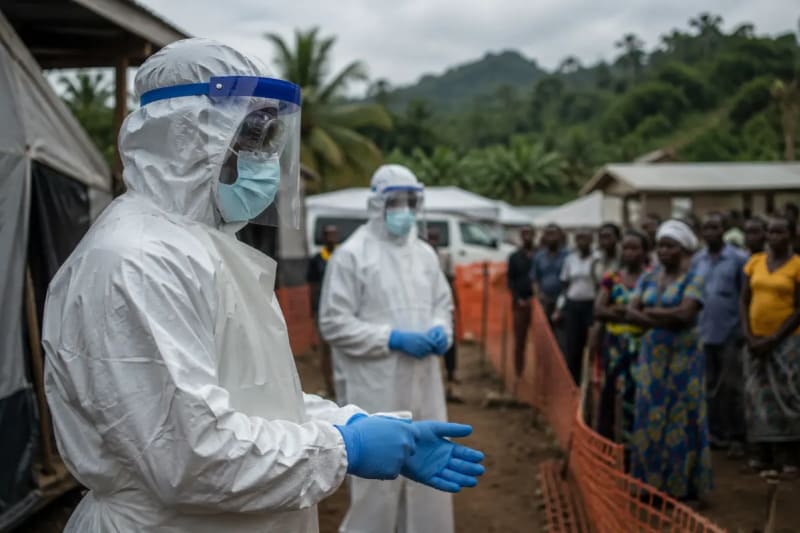
Healthcare workers and family members caring for infected individuals are at highest risk of exposure. Traditional burial practices, which involve close contact with the deceased, have also contributed to past outbreaks. Public health campaigns are focusing on safe burial practices and early isolation of suspected cases to reduce transmission.
Who May Be Affected
Communities in the border regions of DRC and Uganda are most at risk, particularly those living in remote areas with limited access to healthcare. Displaced populations, including refugees and those fleeing conflict, face additional challenges due to overcrowded living conditions and lack of sanitation. Children, who make up a significant portion of the affected population, are particularly vulnerable to severe disease.
Healthcare workers in both countries are also at elevated risk, as they are often the first point of contact for patients seeking treatment. Previous outbreaks have seen high infection rates among medical staff, further straining already fragile health systems.
Government and WHO Response
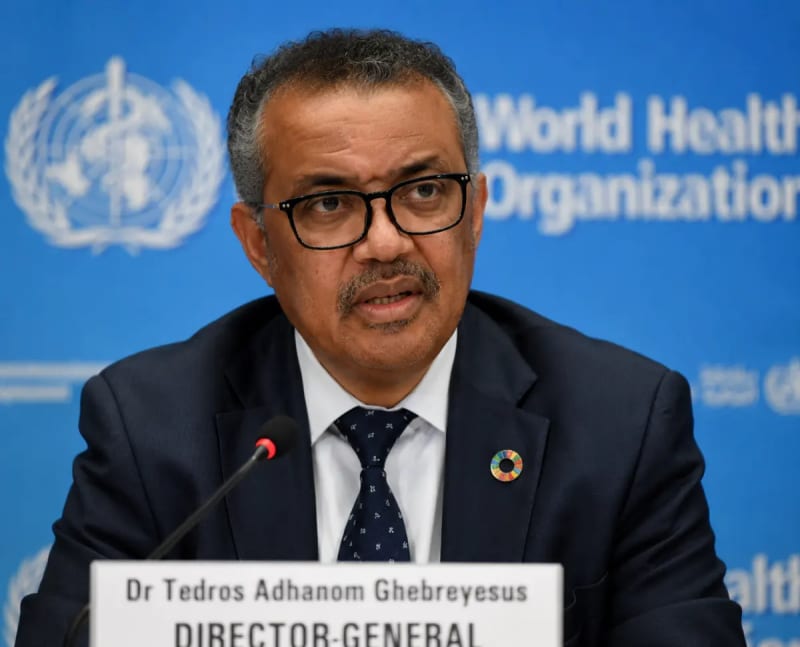
The World Health Organization has activated its emergency response protocols, working closely with the health ministries of DRC and Uganda to coordinate surveillance, vaccination, and treatment efforts. Ring vaccination strategies, which target contacts of confirmed cases and their contacts, are being deployed to contain the outbreak. The WHO has also pre positioned medical supplies, including personal protective equipment and diagnostic kits, in high risk areas.
Local health authorities are conducting community outreach to raise awareness about Ebola symptoms and prevention measures. Radio broadcasts, community meetings, and door to door campaigns are being used to disseminate information in multiple languages, addressing misinformation and encouraging early reporting of suspected cases.
Prevention and Safety Guidance
Public health officials recommend the following measures to reduce the risk of Ebola transmission:
- Avoid direct contact with blood or bodily fluids of infected individuals, including the deceased.
- Practice regular handwashing with soap and water or use alcohol based hand sanitizers.
- Seek medical care immediately if symptoms such as fever, fatigue, or unexplained bleeding develop.
- Healthcare workers should use personal protective equipment when treating suspected or confirmed cases.
- Follow safe burial practices, including the use of trained teams to handle the deceased.
Vaccination remains a critical tool in outbreak control. The Ervebo vaccine, which has shown high efficacy against the Zaire strain, is being used in targeted campaigns. While no vaccine is yet approved specifically for the Bundibugyo strain, health authorities are monitoring its effectiveness in the current outbreak.
What Readers Should Know
This outbreak serves as a reminder of the persistent threat posed by Ebola in regions with weak healthcare infrastructure. While the international response is underway, community engagement and trust building are essential to successful containment. Travelers to affected areas should stay informed about local health advisories and follow recommended precautions.
For those living in or near outbreak zones, early reporting of symptoms and cooperation with health authorities can save lives. The Gates Foundation’s funding will support critical needs, including laboratory testing, contact tracing, and community education, but sustained international support will be necessary to prevent further spread.
Key Takeaways
- The Gates Foundation has committed $15 million to support Ebola containment efforts in DRC and Uganda, focusing on the Bundibugyo strain.
- Cross border transmission risks are high due to porous borders and limited healthcare access in affected regions.
- Symptoms include fever, fatigue, and in severe cases, internal and external bleeding; early diagnosis is critical to preventing spread.
- Healthcare workers and communities near the DRC Uganda border are at highest risk, with vaccination and safe burial practices key to containment.
- The WHO and local health authorities are scaling up response efforts, including ring vaccination and community outreach.
Frequently Asked Questions
What is the Bundibugyo Ebola strain?
The Bundibugyo strain is one of six known species of the Ebola virus. It was first identified in 2007 in Uganda and has a lower fatality rate compared to the Zaire strain, which caused the 2014 2016 West Africa epidemic. However, it remains a serious public health threat, particularly in regions with limited healthcare resources.
How effective is the Ebola vaccine against the Bundibugyo strain?
The Ervebo vaccine, approved for use against the Zaire strain, is being deployed in the current outbreak. While no vaccine is specifically approved for the Bundibugyo strain, studies suggest some cross protection may occur. Health authorities are closely monitoring its effectiveness in this context.
What should travelers to DRC or Uganda do to stay safe?
Travelers should avoid contact with sick individuals, practice regular hand hygiene, and follow local health advisories. Those visiting outbreak zones should monitor for symptoms such as fever or unexplained bleeding and seek medical care immediately if they develop. The WHO and CDC provide updated travel guidance for affected regions.
How can communities help prevent Ebola spread?
Communities play a critical role in outbreak control by reporting symptoms early, following safe burial practices, and cooperating with health authorities. Avoiding direct contact with bodily fluids of infected individuals and practicing good hand hygiene can significantly reduce transmission risks.
Medical Review: MedSense Editorial Board










DISCUSSION (0)
POST A COMMENT