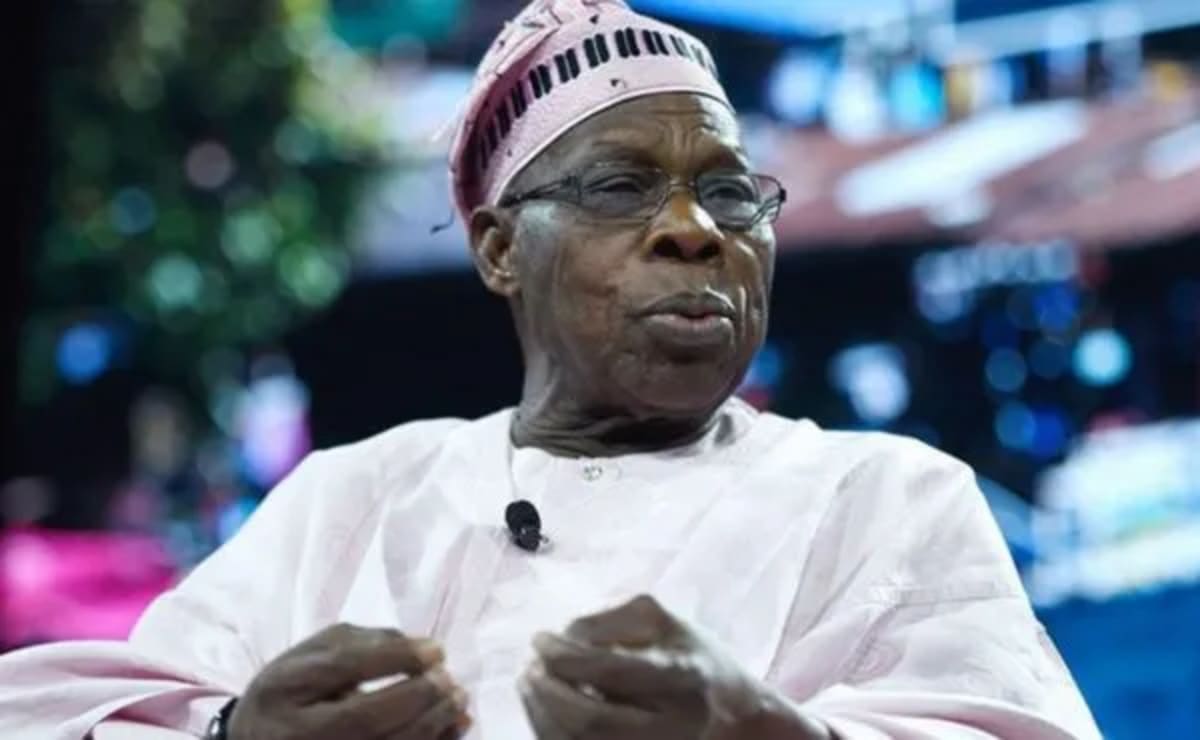
In a striking move to spotlight one of the world’s most pressing health challenges, former Nigerian President Olusegun Obasanjo has announced a solo transcontinental road expedition aimed at elevating global awareness about cancer and men’s health. The initiative, titled “Lagos to the World,” is set to launch on May 31, 2026, from the Olusegun Obasanjo Presidential Library in Abeokuta, Nigeria. The journey, which promises to traverse multiple countries and continents, is not just a personal endeavor but a deliberate effort to draw attention to the rising burden of cancer and the often overlooked health needs of men worldwide. Cancer remains a leading cause of death globally, with nearly 10 million lives lost annually, according to the World Health Organization. In many low and middle income countries, including Nigeria, access to early detection, treatment, and palliative care remains limited, exacerbating the disease’s impact. Obasanjo’s expedition arrives at a critical moment, as public health advocates increasingly emphasize the need for innovative strategies to bridge gaps in awareness, funding, and healthcare infrastructure. The former president’s high profile involvement could serve as a catalyst for renewed dialogue and action, particularly in regions where cancer stigma and resource constraints persist.
What Happened
Former Nigerian President Olusegun Obasanjo will officially launch the “Lagos to the World” expedition on May 31, 2026, at his presidential library in Abeokuta. The initiative involves a solo transcontinental road journey designed to raise awareness about cancer and men’s health. While details of the exact route and duration remain under wraps, the expedition is expected to cover significant distances across Africa, Europe, and potentially other continents, engaging communities along the way through public events, media outreach, and partnerships with local health organizations.
Why Public Health Officials Are Concerned
Cancer is a global health crisis that disproportionately affects low and middle income countries, where nearly 70% of cancer deaths occur. In Nigeria, for instance, late stage diagnoses are common due to limited screening programs, inadequate healthcare infrastructure, and pervasive myths about the disease. Men, in particular, face unique challenges, including lower rates of health seeking behavior and higher mortality from cancers such as prostate and liver cancer. Public health experts warn that without targeted awareness campaigns and policy interventions, the burden of cancer in these regions will continue to grow, straining already fragile healthcare systems.
Obasanjo’s expedition arrives as global health leaders intensify calls for equitable access to cancer care. The World Health Organization’s Global Initiative for Cancer Registry Development highlights the urgent need for better data collection and public education to combat the disease. By leveraging his international profile, Obasanjo aims to amplify these messages and mobilize resources for cancer prevention, early detection, and treatment.
Who May Be Affected
The initiative is expected to resonate with multiple audiences. For cancer patients and survivors, the expedition could offer a sense of solidarity and hope, particularly in communities where the disease is stigmatized. Healthcare providers may see it as an opportunity to advocate for improved resources and policies, while policymakers could be inspired to prioritize cancer control programs. Additionally, men’s health advocates may use the momentum to address broader issues such as mental health, cardiovascular disease, and the cultural barriers that prevent men from seeking medical care.
In Nigeria and other African nations, where cancer awareness remains low, the expedition could spark conversations that lead to behavioral change. For example, increased awareness about the importance of regular screenings for breast, cervical, and prostate cancers could encourage more people to seek early medical intervention, potentially saving lives.
Government and Global Health Response
While the expedition is a private initiative, it aligns with broader global health goals, including the United Nations’ Sustainable Development Goal 3, which aims to reduce premature mortality from non communicable diseases by one third by 2030. The Nigerian government, along with international organizations such as the WHO and the Union for International Cancer Control, has previously launched campaigns to improve cancer outcomes. However, progress has been slow, hindered by funding constraints and competing health priorities.
Obasanjo’s expedition could serve as a complementary effort, drawing attention to these existing initiatives and encouraging greater collaboration between governments, non profits, and the private sector. Health ministries in countries along the expedition’s route may seize the opportunity to highlight their own cancer control programs, fostering cross border partnerships and knowledge sharing.
Prevention and Safety Guidance
While the expedition itself is symbolic, its core message underscores the importance of proactive health behaviors. For readers, this initiative serves as a reminder of the critical role that awareness and early action play in cancer prevention and management. Key steps individuals can take include:
- Regular Screenings: Early detection significantly improves survival rates for many cancers. Men should discuss prostate cancer screenings with their doctors, while women should prioritize mammograms and Pap tests as recommended.
- Lifestyle Choices: Reducing tobacco and alcohol use, maintaining a healthy weight, and adopting a balanced diet rich in fruits and vegetables can lower cancer risk.
- Vaccination: Vaccines for human papillomavirus and hepatitis B can prevent infections linked to cervical and liver cancers, respectively.
- Knowing the Signs: Familiarity with common cancer symptoms, such as unexplained weight loss, persistent pain, or unusual lumps, can prompt earlier medical consultation.
- Community Engagement: Supporting local cancer awareness programs, volunteering with advocacy groups, or simply sharing accurate information can help reduce stigma and encourage others to take action.
What Readers Should Know
The “Lagos to the World” expedition is more than a high profile journey; it is a call to action for individuals, communities, and governments to prioritize cancer awareness and men’s health. For those in regions with limited healthcare access, the initiative may offer a glimmer of hope and a reminder that collective efforts can drive change. As Obasanjo embarks on this ambitious endeavor, the global health community will be watching closely, hopeful that his message will resonate far beyond the roads he travels.
Readers are encouraged to follow the expedition’s progress through official updates and consider how they can contribute to the fight against cancer in their own communities. Whether through advocacy, education, or personal health choices, every action counts in the broader effort to reduce the global burden of this devastating disease.
Key Takeaways
- Former Nigerian President Olusegun Obasanjo will launch a solo transcontinental road expedition in 2026 to raise global awareness about cancer and men’s health.
- Cancer is a leading cause of death worldwide, with 70% of fatalities occurring in low and middle income countries due to limited access to early detection and treatment.
- The expedition aims to inspire action, reduce stigma, and encourage proactive health behaviors such as regular screenings, vaccination, and lifestyle changes.
- The initiative aligns with global health goals, including the UN’s target to reduce premature mortality from non communicable diseases by 2030.
- Individuals can contribute to cancer prevention by staying informed, engaging with local health programs, and advocating for improved healthcare access.
Frequently Asked Questions
What is the ‘Lagos to the World’ expedition?
The ‘Lagos to the World’ expedition is a solo transcontinental road journey led by former Nigerian President Olusegun Obasanjo, designed to raise global awareness about cancer and men’s health. The initiative will launch on May 31, 2026, from Abeokuta, Nigeria, and aims to engage communities across multiple continents through public events and advocacy efforts.
Why is cancer awareness particularly important in low and middle income countries?
In low and middle income countries, cancer awareness is critical due to limited access to early detection, treatment, and palliative care. Late stage diagnoses are common, leading to higher mortality rates. Public health campaigns like Obasanjo’s expedition can help reduce stigma, improve knowledge, and encourage proactive health behaviors, ultimately saving lives.
How can individuals reduce their risk of cancer?
Individuals can reduce their cancer risk by adopting healthy lifestyle choices, such as avoiding tobacco and excessive alcohol, maintaining a balanced diet, and staying physically active. Regular screenings for cancers like breast, cervical, and prostate cancer are also essential for early detection. Vaccinations for HPV and hepatitis B can further lower the risk of certain cancers.
What role does men’s health play in this initiative?
Men’s health is a key focus of the expedition, as men often face unique challenges in seeking medical care due to cultural barriers and lower health seeking behaviors. The initiative aims to address these issues by raising awareness about cancers that disproportionately affect men, such as prostate and liver cancer, and encouraging men to prioritize their health through regular check ups and screenings.
How can communities support cancer awareness efforts?
Communities can support cancer awareness by participating in local health programs, volunteering with advocacy groups, and sharing accurate information about cancer prevention and early detection. Schools, workplaces, and religious organizations can also play a role by hosting educational events and promoting healthy behaviors. Collective action can help reduce stigma and improve access to care.
Medical Review: MedSense Editorial Board












DISCUSSION (0)
POST A COMMENT