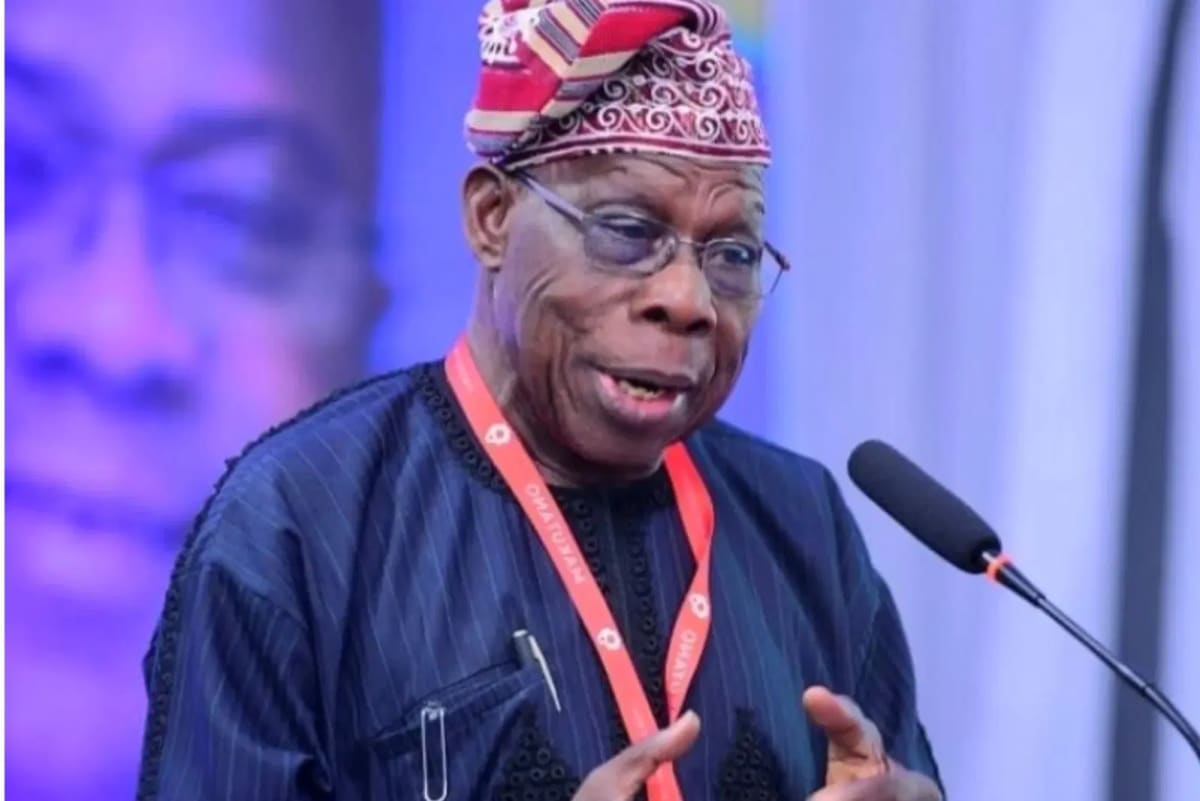
In a call that resonates far beyond Nigeria’s borders, former President Olusegun Obasanjo has underscored the critical role of routine health screenings in combating the rising tide of non communicable diseases. Speaking at the launch of a new health initiative in Abeokuta, Obasanjo framed early detection not as a luxury but as a necessity, one that could mean the difference between life and death for millions across Africa. His message arrives at a pivotal moment, as chronic conditions like cancer and diabetes claim an increasing share of the continent’s health burden, often diagnosed too late for effective intervention.
What Happened
Former Nigerian President Olusegun Obasanjo has urged citizens to embrace regular medical check ups as a frontline defense against cancer, diabetes, and other non communicable diseases. His appeal came during the flag off of a health campaign in Abeokuta, where he emphasized that early detection through routine screenings could drastically improve survival rates and reduce the long term economic strain of chronic illnesses on families and healthcare systems.
Why Public Health Officials Are Concerned
Non communicable diseases now account for a growing proportion of deaths in sub Saharan Africa, a region historically focused on infectious disease control. Cancer alone kills over 700,000 people annually in Africa, with late stage diagnoses complicating treatment and driving up costs. Diabetes prevalence has also surged, fueled by urbanization, dietary shifts, and limited access to preventive care. Public health experts warn that without proactive screening programs, these trends will accelerate, overwhelming already fragile healthcare infrastructures.
Who May Be Affected
The burden falls disproportionately on low and middle income populations, where awareness of early symptoms remains low and healthcare access is uneven. Women, in particular, face higher risks for certain cancers, such as breast and cervical, yet cultural and financial barriers often delay screenings. Rural communities, where clinics may lack diagnostic equipment, are especially vulnerable. Obasanjo’s advocacy targets these gaps, urging collective action to normalize preventive care.
Prevention and Safety Guidance
Health authorities recommend the following steps to reduce risks:
- Adults should undergo general health screenings at least once a year, including blood pressure, blood sugar, and cholesterol checks.
- Women aged 40 and above should prioritize mammograms and cervical cancer screenings, while men should discuss prostate health with their doctors.
- Lifestyle modifications, such as reducing processed foods, increasing physical activity, and avoiding tobacco, can lower the risk of chronic diseases by up to 50%.
- Community health programs should integrate mobile screening units to reach underserved areas.
What Readers Should Know
Obasanjo’s intervention highlights a broader public health challenge: shifting from reactive to preventive care. While Nigeria and other African nations have made strides in infectious disease control, chronic conditions demand a new approach, one that prioritizes education, accessibility, and policy support. For individuals, the takeaway is clear: regular screenings are not just a medical recommendation but a lifeline, particularly in regions where advanced treatments remain out of reach for many.
Critically, this conversation extends beyond Nigeria. Countries like Kenya, Ghana, and South Africa face similar epidemics of late stage cancer and diabetes, underscoring the need for regional collaboration on screening guidelines, funding, and public awareness campaigns. The World Health Organization has long advocated for integrated primary care models that embed preventive services into routine healthcare, a strategy that could save millions of lives if scaled effectively.
Key Takeaways
- Routine health screenings can detect cancer, diabetes, and other chronic diseases early, when treatment is most effective and least costly.
- Non communicable diseases are rising rapidly in Africa, with late diagnoses worsening outcomes and straining healthcare systems.
- Preventive care, including annual check ups and lifestyle changes, can reduce the risk of chronic illnesses by up to 50%.
- Public health campaigns must address barriers to screening, such as cost, awareness, and geographic access, particularly in rural areas.
Frequently Asked Questions
How often should adults undergo health screenings?
Health experts recommend annual general check ups for adults, with specific screenings (e.g., mammograms, colonoscopies) scheduled based on age, gender, and risk factors. Consult a healthcare provider for personalized guidance.
Why are late stage cancer diagnoses more common in Africa?
Limited access to diagnostic tools, low awareness of early symptoms, and cultural stigma around certain diseases contribute to late diagnoses. Strengthening primary care and community outreach can help address these challenges.
What are the most common non communicable diseases in Africa?
Cancer, diabetes, cardiovascular diseases, and chronic respiratory conditions are among the leading non communicable diseases in the region. These conditions are often linked to lifestyle factors such as diet, physical inactivity, and tobacco use.
How can communities improve access to health screenings?
Mobile clinics, community health workers, and partnerships with local organizations can bring screenings to underserved areas. Governments and NGOs can also subsidize costs to make preventive care more affordable.
Medical Review: MedSense Editorial Board























DISCUSSION (0)
POST A COMMENT