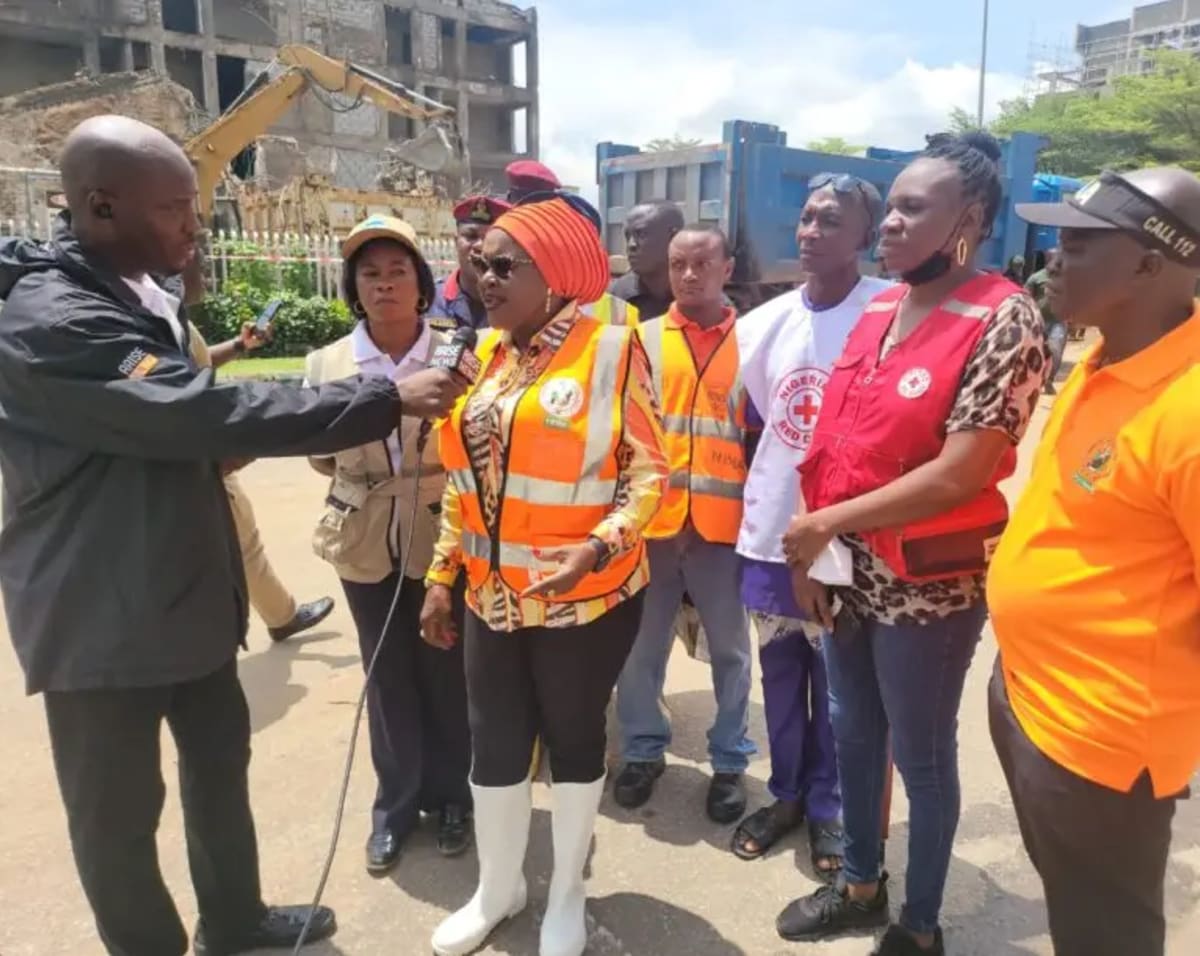
Residents of Nigeria’s Federal Capital Territory are being urged to leave their homes near water channels immediately as the rainy season reaches its peak. The warning comes from the Federal Capital Territory Emergency Management Department after a deadly flood swept through a residential building in Abuja’s Garki district early Friday, highlighting the growing threat of urban flooding in the region. With rainfall expected to intensify in the coming weeks, officials say the risk of further disasters is now critical and relocation is the only way to prevent loss of life. The appeal, issued by Acting Director General Abdulrahman Mohammed, reflects a broader public health crisis unfolding across flood prone areas of the capital. While no fatalities were reported in Friday’s incident, the structural damage to homes and the potential for waterborne disease outbreaks have raised alarms among health authorities. The situation underscores how climate change and rapid urbanization are converging to create new hazards in cities where infrastructure has not kept pace with population growth.
What Happened
Abuja’s emergency response teams were activated before dawn on Friday after torrential rain triggered flash flooding at 22 Anthony Ikem Street in Garki. The one storey building, located behind a commercial complex, was partially submerged when water from an overflowing drainage channel breached its perimeter walls. Residents reported waking to ankle deep water inside their apartments, with furniture and personal belongings destroyed. While no injuries were recorded, the incident has become a stark warning of what could come as the rainy season continues.
Why Public Health Officials Are Concerned
Flooding in urban areas is not just a structural hazard it is a public health multiplier. Stagnant water becomes a breeding ground for mosquitoes, increasing the risk of malaria and dengue fever. Contaminated floodwater can also spread cholera, typhoid, and leptospirosis, diseases that disproportionately affect children and the elderly. In Abuja, where drainage systems are often clogged with waste and informal settlements have expanded into floodplains, the health risks are compounded by poor sanitation and limited access to clean water during emergencies.
The Federal Capital Territory Emergency Management Department has warned that the current weather patterns, influenced by climate change, are producing more intense and unpredictable rainfall. This shift is overwhelming aging infrastructure and turning once manageable water channels into deadly torrents. Officials say the situation is likely to worsen before the rainy season ends in October.
Who May Be Affected
The most vulnerable populations are those living in informal settlements and low income neighborhoods near natural waterways, drainage channels, and areas with poor stormwater management. These communities often lack the resources to relocate or reinforce their homes against flooding. Renters, who make up a significant portion of Abuja’s population, are particularly at risk as they may not have the legal or financial means to move quickly.
Health officials are also monitoring the impact on displaced families. Flooding can force entire households into temporary shelters, where overcrowding and inadequate hygiene facilities increase the risk of infectious disease transmission. Children, pregnant women, and individuals with chronic illnesses are especially susceptible to these secondary health effects.
Government Response
The Federal Capital Territory Emergency Management Department has activated its flood response protocol, which includes increased monitoring of high risk areas, public awareness campaigns, and coordination with local health clinics to prepare for potential disease outbreaks. Acting Director General Abdulrahman Mohammed has called on community leaders to assist in identifying households in flood prone zones and facilitating their relocation to safer areas.
The department has also urged residents to report blocked drains and illegal construction near water channels, which can exacerbate flooding. While the government has not announced financial assistance for relocation, officials say they are working with local NGOs to provide temporary housing options for those forced to evacuate.
Prevention and Safety Guidance
For residents in flood prone areas, the following steps can reduce risk:
- Avoid sleeping or staying in ground floor rooms during heavy rainfall.
- Move essential documents, medications, and valuables to higher levels of the home.
- Keep emergency supplies, including clean water, non perishable food, and a first aid kit, readily accessible.
- Monitor weather alerts from the Nigerian Meteorological Agency and local emergency services.
- If flooding occurs, evacuate immediately and avoid walking or driving through floodwater, which may be deeper or faster moving than it appears.
For those who cannot relocate, reinforcing doors and windows with sandbags or waterproof barriers can provide temporary protection. However, officials emphasize that these measures are not a substitute for moving to higher ground when flooding is imminent.
What Readers Should Know
The rainy season in Nigeria typically runs from April to October, with peak rainfall occurring between July and September. This year, meteorologists have predicted above average precipitation due to the La Niña weather phenomenon, which increases the likelihood of extreme weather events. Residents in Abuja and other flood prone cities should treat this warning as a long term risk, not just a short term inconvenience.
Public health experts say the key to reducing flood related harm lies in proactive urban planning. This includes enforcing building codes, improving drainage infrastructure, and restricting construction in floodplains. For now, however, the immediate priority is ensuring that those in high risk areas have the information and support they need to protect themselves and their families.
Key Takeaways
- Flooding in Abuja’s Garki district has prompted urgent relocation warnings for residents near water channels as the rainy season intensifies.
- Urban flooding poses significant public health risks, including waterborne diseases, mosquito borne illnesses, and displacement related health crises.
- The most vulnerable populations are low income families, renters, and those living in informal settlements near drainage channels and floodplains.
- Government agencies are monitoring high risk areas and coordinating with health clinics to prepare for potential disease outbreaks.
- Residents should take immediate precautions, including moving to higher ground, securing essential supplies, and avoiding floodwater.
Frequently Asked Questions
Why is the Federal Capital Territory Emergency Management Department urging relocation now?
The warning follows a recent flooding incident in Abuja’s Garki district and forecasts of continued heavy rainfall. Officials say the risk of further flooding is critical, and relocation is the safest way to prevent loss of life and property damage.
What health risks are associated with urban flooding?
Floodwater can spread waterborne diseases like cholera and typhoid, while stagnant water increases mosquito breeding, raising the risk of malaria and dengue. Displacement can also lead to overcrowding in shelters, increasing the spread of infectious diseases.
Who is most at risk during flooding in Abuja?
Low income families, renters, and residents of informal settlements near water channels or floodplains are most vulnerable. These groups often lack resources to relocate or reinforce their homes against flooding.
What should residents do if they cannot relocate immediately?
Move essential items to higher levels of the home, avoid ground floor rooms during heavy rain, and prepare an emergency kit with clean water, food, and medications. Monitor weather alerts and be ready to evacuate if flooding occurs.
How long will the flood risk last in Abuja?
The rainy season in Nigeria typically lasts until October, with peak rainfall between July and September. This year, meteorologists predict above average precipitation, so residents should remain vigilant throughout the season.
Medical Review: MedSense Editorial Board
















DISCUSSION (0)
POST A COMMENT