
What Happened
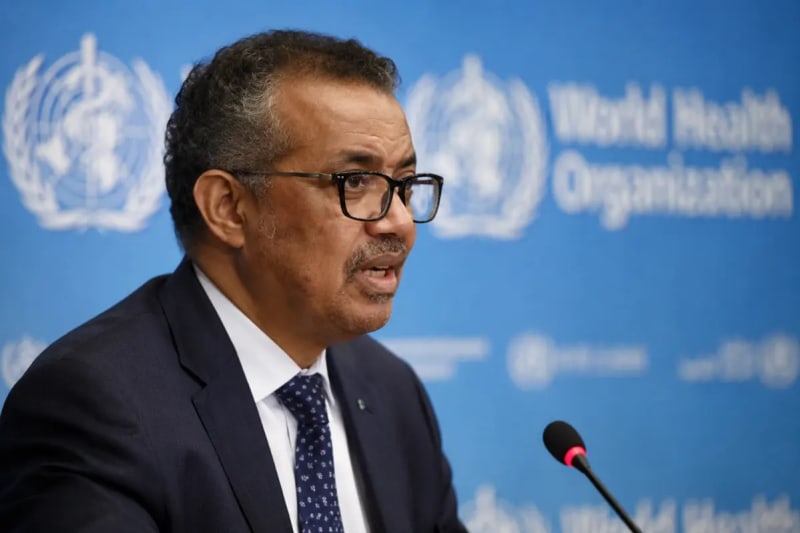
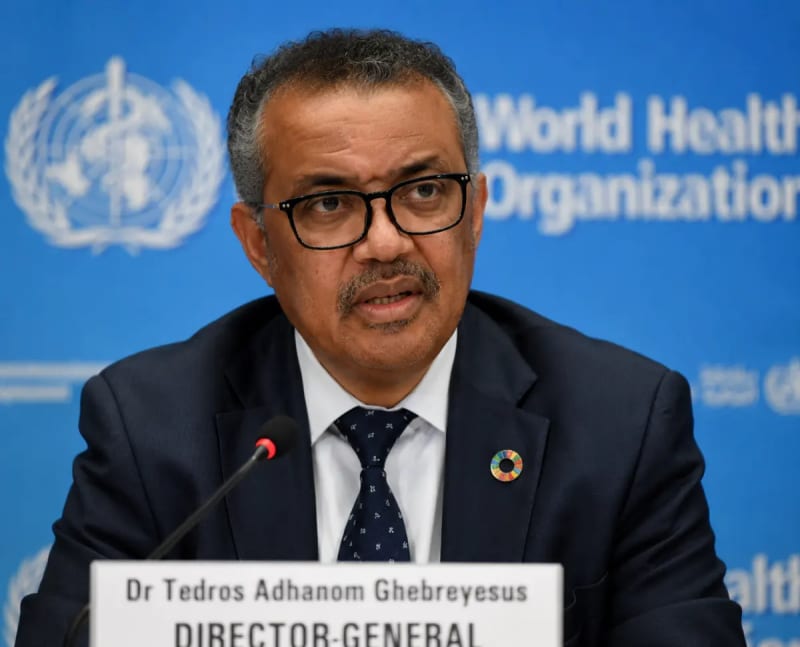
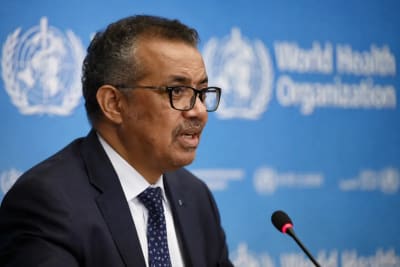
The World Health Organization confirmed the first recovery from Ebola in the Democratic Republic of the Congo’s ongoing outbreak. The patient, whose identity remains confidential, was treated under the supervision of international and local health teams. While the WHO has not released specific details about the treatment regimen, recoveries from Ebola typically depend on early supportive care, including hydration, electrolyte balance, and experimental therapies like monoclonal antibodies.
This outbreak, declared earlier this year, has seen a case fatality rate below 25 percent so far. However, officials caution that this figure may change as more cases are identified and the outbreak evolves. The DRC has faced multiple Ebola outbreaks in recent years, with the 2018, 2020 epidemic in the eastern region becoming the second deadliest in history, killing over 2,200 people.
Why Public Health Officials Are Concerned
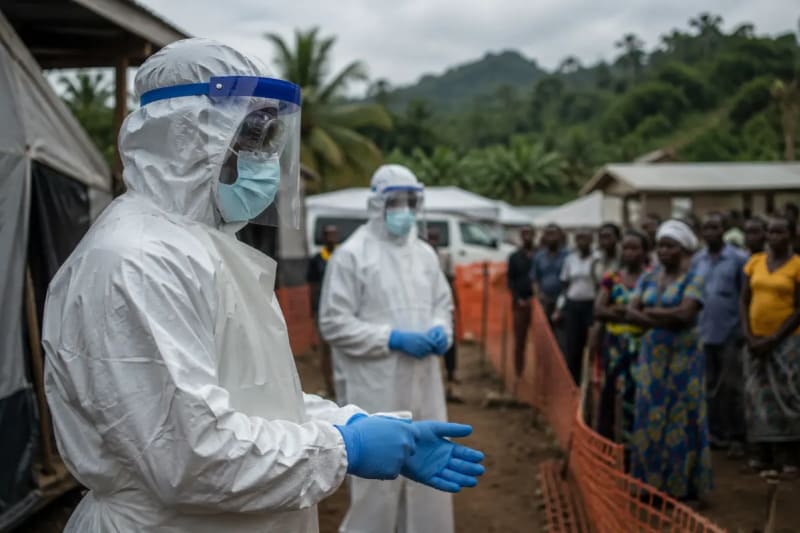
Despite the encouraging news of a recovery, public health experts remain vigilant. Ebola outbreaks in the DRC are notoriously difficult to control due to a combination of factors: ongoing armed conflict, population displacement, weak healthcare infrastructure, and community mistrust of medical interventions. These challenges can delay case detection, hinder contact tracing, and limit access to treatment centers.
The WHO has previously warned that the case fatality rate in Ebola outbreaks can vary widely, often exceeding 50 percent in the absence of timely medical intervention. The current rate of under 25 percent suggests that response efforts, including vaccination campaigns, community engagement, and the use of experimental treatments, may be having an impact. However, officials stress that sustained vigilance is critical to prevent a resurgence.
Symptoms and Risk Factors
Ebola virus disease is a severe, often fatal illness transmitted through direct contact with the bodily fluids of infected individuals or contaminated surfaces. Early symptoms include sudden fever, fatigue, muscle pain, headache, and sore throat. As the disease progresses, patients may experience vomiting, diarrhea, rash, impaired kidney and liver function, and in some cases, internal and external bleeding.
Healthcare workers and family members caring for infected individuals are at the highest risk of exposure. The virus can also spread through contact with infected animals, such as bats or primates, which are believed to be natural hosts of the virus.
Who May Be Affected
The current outbreak is concentrated in the DRC, with cases reported in both rural and urban areas. Populations most at risk include:
- Frontline healthcare workers treating Ebola patients.
- Family members and caregivers of infected individuals.
- Communities in areas with active transmission, particularly those with limited access to healthcare.
- Individuals participating in traditional burial practices that involve direct contact with the deceased.
Travelers to affected regions are also advised to follow strict hygiene protocols and avoid contact with sick individuals or animals.
Government and WHO Response
The DRC Ministry of Health, in collaboration with the WHO and partners like Médecins Sans Frontières and the Africa Centres for Disease Control and Prevention, has ramped up response efforts. Key measures include:
- Vaccination campaigns: The rVSV ZEBOV Ebola vaccine, which has shown high efficacy in previous outbreaks, is being administered to high risk populations, including healthcare workers and contacts of confirmed cases.
- Surveillance and contact tracing: Teams are working to identify and monitor individuals who may have been exposed to the virus, ensuring they receive timely medical care if symptoms develop.
- Community engagement: Local leaders and health workers are conducting outreach to address misinformation, encourage early reporting of symptoms, and promote safe burial practices.
- Treatment centers: Isolation and treatment facilities have been established to provide supportive care and experimental therapies to patients.
The WHO has also activated its Emergency Response Framework to coordinate international support and ensure resources are deployed where they are most needed.
Prevention and Safety Guidance
For individuals in or traveling to affected areas, the WHO and health authorities recommend the following precautions:
- Avoid direct contact with blood, bodily fluids, or tissues of infected individuals, including the deceased.
- Wash hands frequently with soap and water or use alcohol based hand sanitizers.
- Avoid handling or consuming bushmeat, particularly from primates or bats.
- Seek medical attention immediately if symptoms such as fever, fatigue, or unexplained bleeding develop.
- Follow local health advisories and cooperate with vaccination efforts if eligible.
For healthcare workers, strict adherence to infection prevention and control measures, including the use of personal protective equipment, is essential to minimize the risk of transmission.
What Readers Should Know
While the first recovery in this outbreak is a positive development, Ebola remains a formidable public health challenge. The DRC’s experience with previous outbreaks has demonstrated that early intervention, community trust, and international collaboration are critical to containing the virus. However, the volatile security situation in the region continues to pose a significant barrier to response efforts.
For global health observers, this outbreak serves as a reminder of the persistent threat posed by Ebola and other emerging infectious diseases. The lessons learned here, particularly around vaccine deployment, community engagement, and rapid response, will be vital for future outbreaks, both in the DRC and beyond.
As the situation evolves, the WHO and local health authorities will continue to provide updates. The public is encouraged to rely on official sources for accurate information and avoid spreading unverified claims that could fuel panic or misinformation.
Key Takeaways
- The WHO has confirmed the first Ebola recovery in the DRC’s latest outbreak, a milestone that could signal progress in containment efforts.
- The current case fatality rate is below 25 percent, though officials warn this figure may change as the outbreak evolves.
- Ebola remains a high risk pathogen, with transmission driven by direct contact with bodily fluids, healthcare exposure, and unsafe burial practices.
- Response efforts include vaccination campaigns, contact tracing, community engagement, and the establishment of treatment centers.
- Prevention relies on strict hygiene practices, avoiding contact with infected individuals or animals, and seeking immediate medical care for symptoms.
Frequently Asked Questions
What is the significance of the first Ebola recovery in this outbreak?
The first recovery is a critical milestone because it demonstrates that early detection and treatment can save lives, even in a high mortality disease like Ebola. It also suggests that response efforts, including vaccination and supportive care, may be having an impact. However, public health officials caution that sustained vigilance is necessary to prevent further spread.
Why is the case fatality rate for this outbreak below 25 percent?
The case fatality rate in Ebola outbreaks can vary based on factors such as the speed of case detection, access to medical care, and the use of experimental treatments. The current rate of under 25 percent may reflect improved response efforts, including vaccination campaigns and early supportive care. However, this figure is preliminary and could change as more cases are identified.
What are the biggest challenges in controlling Ebola in the DRC?
The DRC faces multiple challenges in controlling Ebola, including armed conflict, population displacement, weak healthcare infrastructure, and community mistrust of medical interventions. These factors can delay case detection, hinder contact tracing, and limit access to treatment centers, making containment efforts more difficult.
How can individuals protect themselves from Ebola?
To reduce the risk of Ebola infection, individuals should avoid direct contact with blood, bodily fluids, or tissues of infected individuals, including the deceased. Frequent handwashing, avoiding bushmeat, and seeking immediate medical attention for symptoms like fever or unexplained bleeding are also critical. Healthcare workers should adhere to strict infection prevention and control measures.
What treatments are available for Ebola?
While there is no specific cure for Ebola, early supportive care, such as hydration, electrolyte balance, and treatment of secondary infections, can significantly improve survival rates. Experimental therapies, including monoclonal antibodies like mAb114 and REGN EB3, have shown promise in clinical trials and are being used in this outbreak under compassionate use protocols.
Medical Review: MedSense Editorial Board











DISCUSSION (0)
POST A COMMENT