
More than half a billion people in sub Saharan Africa live without electricity, a staggering figure that underscores not just an energy crisis but a growing public health emergency. According to the World Health Organization, 560 million Africans remain disconnected from power grids, while nearly a billion rely on hazardous fuels like wood, charcoal, and kerosene for cooking. The consequences extend far beyond darkened homes, indoor air pollution from these fuels is linked to respiratory diseases, premature deaths, and long term developmental challenges for children exposed to toxic fumes. As global leaders debate energy transitions, Africa’s persistent energy poverty threatens to deepen health inequities and stall economic progress across the continent.
What Happened
The World Health Organization has sounded the alarm on the severe energy access gap in sub Saharan Africa, where 560 million people lack electricity and 970 million depend on polluting cooking fuels. These figures represent more than 85% of the global population without power and nearly half of those using dangerous energy sources for daily needs. The region’s energy deficit has remained stubbornly high despite global advancements in renewable technology and international commitments to universal energy access.
Why Public Health Officials Are Concerned
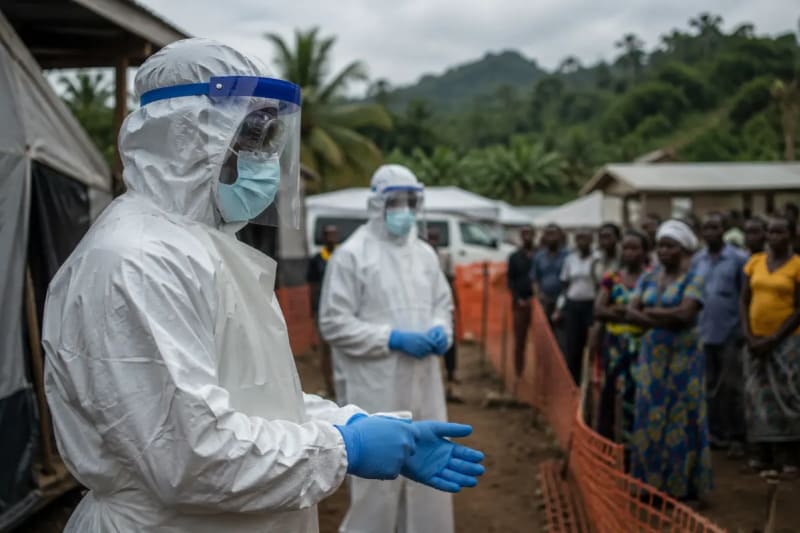
The reliance on solid fuels like wood, charcoal, and animal waste for cooking exposes households to high levels of indoor air pollution. The WHO estimates that household air pollution from these sources causes over 600,000 premature deaths annually in Africa, with women and children bearing the brunt of the health burden. Prolonged exposure to smoke increases the risk of chronic obstructive pulmonary disease, lung cancer, and childhood pneumonia. Beyond respiratory illnesses, the lack of electricity limits access to refrigeration for vaccines and food, hampers healthcare delivery in rural clinics, and forces families to spend hours collecting fuel instead of pursuing education or income generating activities.
Who May Be Affected
The energy gap disproportionately impacts rural communities, where grid connectivity is often nonexistent. Women and girls face heightened risks, as they are typically responsible for fuel collection and cooking, exposing them to both indoor air pollution and the dangers of gathering firewood in insecure areas. Children under five are particularly vulnerable to respiratory infections linked to household smoke. Additionally, small businesses and local healthcare facilities struggle to operate without reliable power, limiting economic opportunities and medical services in already underserved regions.
Government and WHO Response
The WHO has called for accelerated investment in off grid renewable energy solutions, such as solar powered microgrids and clean cooking technologies, to bridge the access gap. The organization emphasizes that energy poverty is not just an infrastructure challenge but a multisectoral issue requiring collaboration between health, finance, and environmental agencies. Several African nations have launched initiatives to expand renewable energy, including Ethiopia’s National Electrification Program and Nigeria’s Solar Power Naija project, but progress remains uneven due to funding constraints and logistical barriers.
Prevention and Safety Guidance
For households still reliant on polluting fuels, the WHO recommends improving ventilation by using chimneys or smoke hoods, switching to cleaner fuels like liquefied petroleum gas where available, and adopting energy efficient cookstoves. Governments and NGOs are urged to prioritize the distribution of clean cooking solutions and expand access to decentralized renewable energy systems. Public awareness campaigns can also educate communities on the health risks of indoor air pollution and the benefits of transitioning to safer energy sources.
What Readers Should Know
The energy access crisis in Africa is not an isolated issue, it intersects with climate change, gender inequality, and economic development. While global attention often focuses on large scale energy transitions in wealthier nations, the lack of basic electricity and clean cooking facilities in sub Saharan Africa demands urgent, targeted action. Solutions exist, from solar powered mini grids to affordable clean cookstoves, but scaling these technologies requires sustained funding, policy support, and international cooperation. For millions of families, access to clean energy could mean the difference between illness and health, poverty and opportunity.
Key Takeaways
- Over 560 million people in sub Saharan Africa lack electricity, while 970 million rely on polluting fuels for cooking, creating a severe public health crisis.
- Indoor air pollution from solid fuels causes over 600,000 premature deaths annually in Africa, with women and children at highest risk.
- The energy gap limits healthcare access, economic opportunities, and education, particularly in rural communities.
- WHO and African governments are prioritizing off grid renewable energy and clean cooking solutions, but progress remains slow due to funding and logistical challenges.
- Improving ventilation, adopting cleaner fuels, and expanding decentralized renewable energy can mitigate health risks and improve quality of life.
Frequently Asked Questions
Why is the lack of electricity a public health issue?
Without electricity, households often rely on polluting fuels like wood and charcoal for cooking, which release toxic smoke linked to respiratory diseases, heart conditions, and premature death. Electricity also powers essential healthcare services, refrigeration for vaccines and food, and lighting for education and economic activities.
What are the health risks of indoor air pollution from cooking fuels?
Exposure to household air pollution increases the risk of chronic obstructive pulmonary disease, lung cancer, stroke, and childhood pneumonia. Women and children, who spend the most time near cooking fires, face the highest health burdens.
What solutions are being implemented to address energy poverty in Africa?
Governments and organizations are expanding off grid renewable energy solutions, such as solar powered microgrids and clean cookstoves. Programs like Nigeria’s Solar Power Naija and Ethiopia’s National Electrification Program aim to increase access, but funding and infrastructure challenges persist.
How can households reduce the health risks of polluting fuels?
Improving ventilation by using chimneys or smoke hoods, switching to cleaner fuels like liquefied petroleum gas, and adopting energy efficient cookstoves can significantly reduce exposure to harmful smoke. Public health campaigns also play a role in raising awareness about safer alternatives.
Medical Review: MedSense Editorial Board








DISCUSSION (0)
POST A COMMENT