What Happened
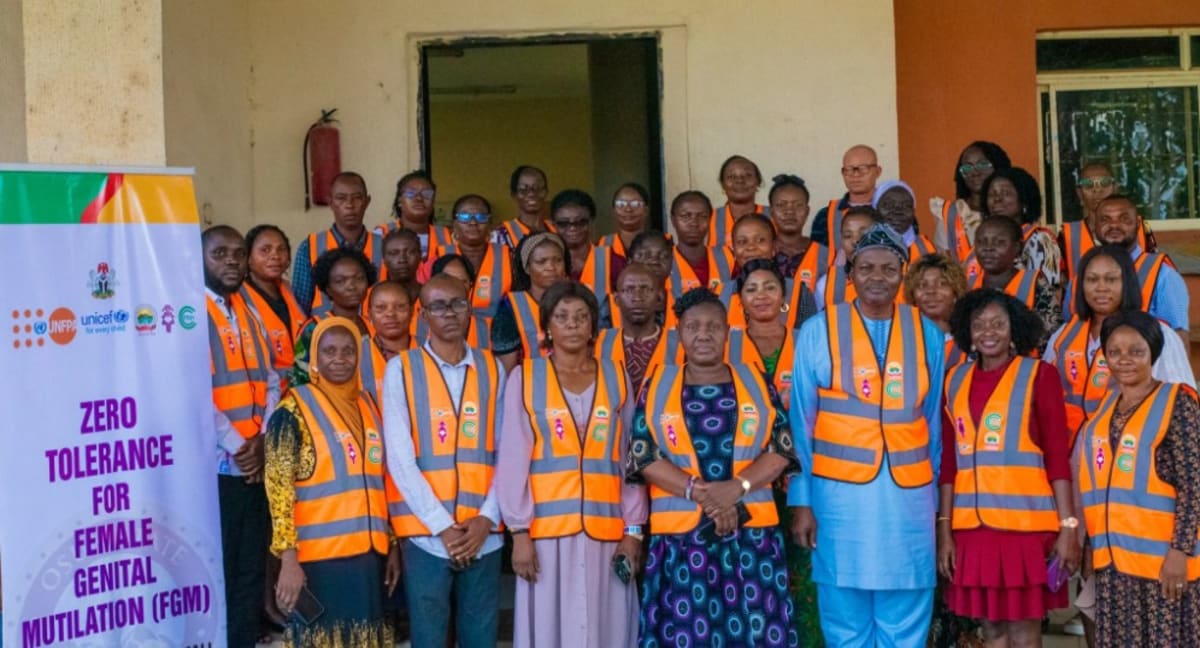
The Ekiti State Government has publicly reaffirmed its stance against Female Genital Mutilation, describing it as a violation of human rights with no health benefits. Commissioner Oyebanji Filani, who oversees health and human services, used the platform to challenge community leaders and parents, particularly mothers, to abandon the practice. His remarks align with Nigeria’s national ban on FGM, enacted in 2015 under the Violence Against Persons Prohibition Act, which criminalizes the procedure and imposes penalties on perpetrators.
Why Public Health Officials Are Concerned
FGM is recognized globally as a public health crisis due to its immediate and long term consequences. The World Health Organization (WHO) classifies FGM into four types, ranging from partial or total removal of the clitoris to the most extreme form, infibulation, which involves narrowing the vaginal opening. Complications include chronic pain, infections, infertility, complications during childbirth, and increased risk of newborn deaths. Beyond physical harm, survivors often experience anxiety, depression, and post traumatic stress disorder, with effects lasting well into adulthood.
Despite these risks, FGM remains prevalent in certain regions of Nigeria, including Ekiti State. According to the 2018 Nigeria Demographic and Health Survey, approximately 20% of women aged 15 to 49 have undergone FGM, with prevalence varying significantly by state and ethnic group. Cultural beliefs, such as the misconception that FGM preserves virginity or enhances marriage prospects, continue to fuel its persistence.
Who May Be Affected
FGM disproportionately affects girls and women in communities where the practice is culturally entrenched. In Nigeria, girls are often subjected to FGM before the age of five, though some undergo the procedure during adolescence or before marriage. The practice is not limited to any single religion or ethnic group, though it is more common in certain regions, including the South West, where Ekiti State is located. Migrant communities and diaspora populations may also perpetuate the practice, posing challenges for enforcement and education efforts.
Government and WHO Response
The Nigerian government has taken steps to address FGM through legislation and public health campaigns. The Violence Against Persons Prohibition Act of 2015 explicitly bans FGM and imposes penalties, including imprisonment and fines, for those who perform or facilitate the procedure. Additionally, the Federal Ministry of Health, in collaboration with the United Nations Population Fund (UNFPA) and UNICEF, has launched awareness programs to educate communities about the dangers of FGM and promote alternative rites of passage that do not involve cutting.
The WHO has also played a critical role in global efforts to eradicate FGM. In 2020, the organization released updated guidelines on the management of health complications from FGM, emphasizing the need for healthcare providers to offer compassionate, non judgmental care to survivors. The WHO also advocates for community based interventions that engage religious leaders, traditional healers, and local influencers to shift cultural norms.
Prevention and Safety Guidance
Eliminating FGM requires a multi faceted approach that combines legal enforcement, education, and community engagement. Key strategies include:
- Legal Action: Reporting cases of FGM to authorities is critical. In Nigeria, the police and social welfare departments are empowered to investigate and prosecute offenders. Hotlines and anonymous reporting mechanisms can help protect whistleblowers.
- Community Education: Public health campaigns should focus on dispelling myths about FGM, such as the false belief that it is required by religion or necessary for hygiene. Engaging local leaders, including traditional rulers and religious figures, can amplify these messages.
- Healthcare Provider Training: Doctors, nurses, and midwives should be trained to recognize signs of FGM, provide appropriate care to survivors, and counsel families against the practice. The WHO’s clinical guidelines offer a framework for managing complications.
- Support for Survivors: Access to psychological counseling, medical treatment for complications, and economic empowerment programs can help survivors rebuild their lives. Organizations like the UNFPA and local NGOs often provide these services.
- Alternative Rites of Passage: Some communities have adopted ceremonies that celebrate a girl’s transition to womanhood without involving cutting. These alternatives preserve cultural traditions while protecting girls from harm.
What Readers Should Know
FGM is not a cultural practice to be tolerated but a human rights violation with devastating consequences. While progress has been made in reducing its prevalence, the fight to eradicate FGM is far from over. Parents, community leaders, and healthcare providers all have a role to play in ending this harmful tradition. If you or someone you know is at risk of FGM, seek help from local authorities, healthcare providers, or organizations dedicated to protecting girls and women. Silence and inaction perpetuate the cycle of harm.
Key Takeaways
- Female Genital Mutilation (FGM) has no medical benefits and is recognized as a violation of human rights by global health authorities.
- FGM can cause severe physical and psychological harm, including chronic pain, infections, infertility, and mental health disorders.
- Nigeria’s Violence Against Persons Prohibition Act bans FGM, but enforcement and cultural resistance remain challenges in some communities.
- Prevention efforts require legal action, community education, healthcare provider training, and support for survivors.
- Alternative rites of passage and public health campaigns are effective strategies to shift cultural norms away from FGM.
Frequently Asked Questions
What is Female Genital Mutilation (FGM)?
FGM refers to all procedures involving partial or total removal of the external female genitalia or other injury to the female genital organs for non medical reasons. It is classified into four types by the World Health Organization, ranging from clitoridectomy to infibulation.
Why do some communities still practice FGM?
FGM is often driven by cultural beliefs, such as the misconception that it preserves virginity, enhances marriage prospects, or is required by religion. In some communities, it is seen as a rite of passage into womanhood. However, these beliefs are not supported by medical evidence or religious doctrine.
What are the health risks of FGM?
FGM can cause immediate complications like severe pain, bleeding, and infections, as well as long term issues such as chronic pain, urinary problems, infertility, complications during childbirth, and psychological trauma. Infibulation, the most severe form, can lead to life threatening complications.
Is FGM illegal in Nigeria?
Yes, FGM is illegal in Nigeria under the Violence Against Persons Prohibition Act of 2015. The law imposes penalties, including imprisonment and fines, for those who perform or facilitate the procedure. However, enforcement remains a challenge in some areas.
How can I help prevent FGM in my community?
You can help by reporting suspected cases to authorities, educating others about the dangers of FGM, supporting survivors, and advocating for alternative rites of passage. Engaging local leaders and healthcare providers in conversations about FGM can also drive change.
Where can survivors of FGM seek help?
Survivors can seek medical and psychological support from healthcare providers, local NGOs, and organizations like the UNFPA and UNICEF. Many countries also have hotlines or social services dedicated to assisting survivors of gender based violence.
Medical Review: MedSense Editorial Board






















DISCUSSION (0)
POST A COMMENT