
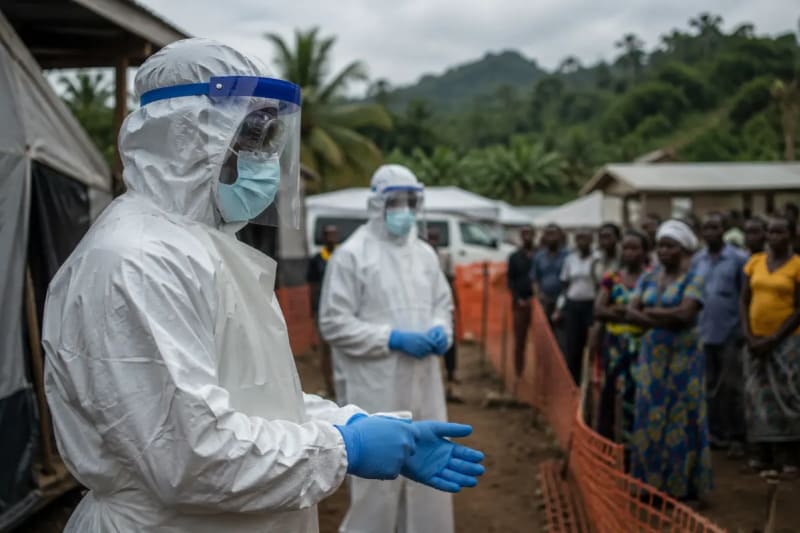
Mongbwalu, Democratic Republic of Congo, The sound of singing cuts through the heavy air of an Ebola treatment center, where death has become an all too familiar visitor. Healthcare workers in green scrubs clap and chant as Daniel Kitambala, 49, walks free after three weeks of battling the virus. His recovery, confirmed by two negative tests, marks a rare moment of triumph in a region where the Bundibugyo strain of Ebola has already claimed more than 170 lives. For a community gripped by fear and misinformation, each survivor is a beacon of hope, and a testament to the power of early treatment. Yet the fight is far from over. Health officials warn that the outbreak, declared just over a month ago, may have been spreading undetected for months. With myths about cursed coffins and distrust of medical facilities fueling the crisis, public health teams are racing to trace contacts, contain infections, and rebuild trust in a healthcare system under siege.
What Happened
In the remote towns of Mongbwalu and Rwampara in Ituri province, Democratic Republic of Congo, an Ebola outbreak has taken a devastating toll. The Bundibugyo strain, a rare and deadly variant of the virus, has infected hundreds and killed more than 170 people since the outbreak was officially declared in late May. However, the virus may have been circulating undetected for months prior, complicating efforts to contain its spread.
Amid the tragedy, stories of survival are emerging. Daniel Kitambala, a subsistence farmer and devout Christian, became one of the latest patients to recover after testing negative for the virus twice. His release from the Mongbwalu treatment center was met with songs of praise from healthcare workers, who see each recovery as a victory against the disease and the stigma surrounding it. Kitambala’s journey, from initial denial and traditional remedies to seeking hospital care, mirrors the struggles of many in the community.
Why Public Health Officials Are Concerned
The Bundibugyo strain of Ebola, while less lethal than the Zaire strain that caused the 2014 2016 West African epidemic, still carries a fatality rate of around 20%. Its symptoms, including fever, vomiting, and internal bleeding, are often mistaken for other illnesses, delaying diagnosis and treatment. Compounding the challenge are deep seated myths, such as the belief in a "coffin curse," which has led some to blame the act of burning a broken coffin for the outbreak rather than the virus itself.
Distrust of healthcare facilities has also hampered response efforts. In May, a treatment tent in Mongbwalu was set ablaze, echoing similar attacks during the 2018 2020 Ebola outbreak in neighboring North Kivu province. Dr. Richard Lukodu, medical director of Mongbwalu hospital, noted that misinformation has led some to believe that treatment centers are the problem, not the solution. "The people here had been misled to believe that Ebola ended during previous outbreaks after they burned down the treatment centers," he said.
Symptoms or Risk Factors
Ebola spreads through direct contact with the bodily fluids of infected individuals, including blood, vomit, and sweat. Early symptoms often resemble those of malaria or typhoid, such as fever, fatigue, and muscle pain. As the disease progresses, patients may experience severe vomiting, diarrhea, and unexplained bleeding. Healthcare workers and family members caring for the sick are at particularly high risk of infection.
In this outbreak, initial tests for more common Ebola strains returned negative results, delaying the identification of the Bundibugyo strain. The delay allowed the virus to spread unchecked, with some communities reporting up to 10 deaths per day at the peak of the crisis.
Who May Be Affected
The outbreak has disproportionately impacted rural communities in Ituri province, where access to healthcare is limited and traditional beliefs often take precedence over medical advice. Families who have lost loved ones to the virus are particularly vulnerable, both emotionally and physically. Mireille Gahindo, a 30 year old mother who contracted Ebola while caring for her sick infant, described the anguish of being separated from her two older children during her treatment. "I feel very happy," she said from behind a glass barrier at the Rwampara treatment center. "I’m looking forward to going back home."
Healthcare workers are also at grave risk. Five medics have already died in this outbreak, and several others are receiving treatment. Dr. Lukodu emphasized that improved infection prevention practices have reduced the risk, but the threat remains ever present.
Government or WHO Response
Local and international health authorities have ramped up efforts to contain the outbreak. A new laboratory in Mongbwalu now delivers test results within 24 hours, a significant improvement from the previous week long wait. Community leaders have been enlisted to educate residents about the symptoms of Ebola and the importance of seeking early treatment. Despite these efforts, health officials warn that many contacts of infected individuals remain untraced, posing a continued risk of transmission.
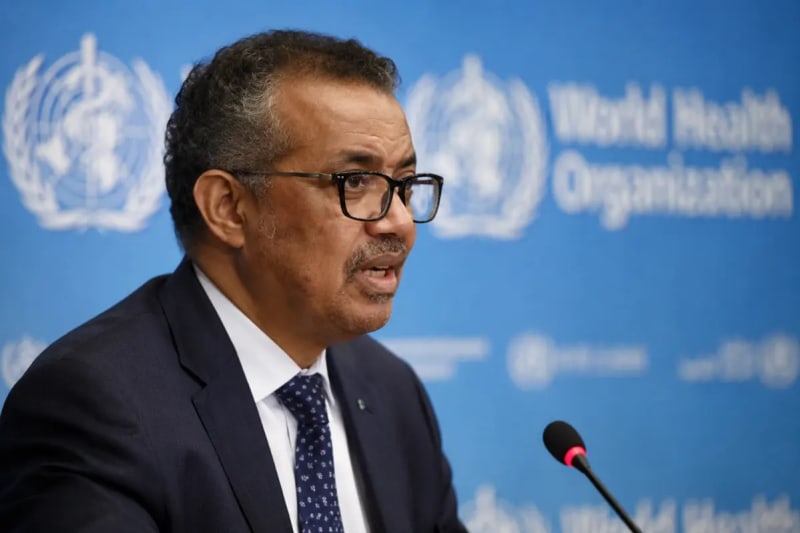
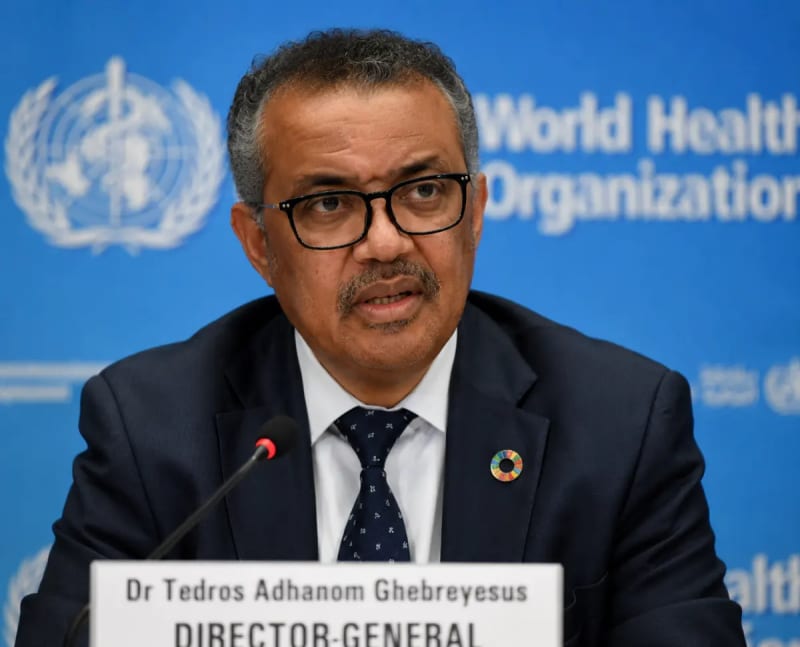
The World Health Organization (WHO) and other partners have deployed teams to support surveillance, contact tracing, and vaccination campaigns. However, the remote location of the affected areas and ongoing security concerns have complicated the response. "Until we can trace and monitor all contacts, any optimism may be short lived," a health official cautioned.
Prevention and Safety Guidance
Public health experts emphasize the following measures to prevent Ebola transmission:
- Avoid contact with bodily fluids: Do not touch blood, vomit, or other fluids from sick individuals, and avoid handling the bodies of those who have died from Ebola.
- Seek medical care immediately: Early symptoms of Ebola can mimic other illnesses, so prompt testing and isolation are critical.
- Practice hand hygiene: Regular handwashing with soap and water or alcohol based sanitizers can reduce the risk of infection.
- Trust healthcare providers: Treatment centers are equipped to care for Ebola patients safely. Avoiding them increases the risk of death and further spread.
- Report symptoms: If you or someone you know develops fever, vomiting, or unexplained bleeding, notify health authorities immediately.
What Readers Should Know
Ebola is not an automatic death sentence. With early diagnosis and supportive care, survival rates improve significantly. The recoveries of patients like Daniel Kitambala and Mireille Gahindo underscore the importance of seeking treatment and trusting medical professionals. However, the outbreak is far from contained. Community engagement, accurate information, and robust contact tracing are essential to stopping the virus in its tracks.
For those in affected regions, staying informed and following public health guidance can mean the difference between life and death. For the global community, this outbreak serves as a reminder of the ongoing threat posed by emerging infectious diseases and the need for sustained investment in healthcare systems, particularly in vulnerable regions.
Key Takeaways
- Ebola survival is possible with early treatment, as demonstrated by recent recoveries in DR Congo’s Ituri province.
- Myths and distrust of healthcare facilities are fueling the outbreak, delaying diagnosis and increasing transmission risks.
- The Bundibugyo strain of Ebola, while less deadly than other variants, still carries a 20% fatality rate and requires urgent containment efforts.
- Healthcare workers and family caregivers are at high risk of infection, highlighting the need for strict infection prevention measures.
- Public health officials are racing to trace contacts and rebuild trust in communities where misinformation has led to violence against treatment centers.
Frequently Asked Questions
What are the early symptoms of Ebola?
Early symptoms of Ebola include fever, fatigue, muscle pain, headache, and sore throat. As the disease progresses, patients may experience vomiting, diarrhea, rash, and unexplained bleeding. These symptoms can resemble those of malaria or typhoid, making early diagnosis critical.
How does Ebola spread?
Ebola spreads through direct contact with the bodily fluids of infected individuals, such as blood, vomit, sweat, or breast milk. It can also spread through contact with contaminated surfaces or objects, such as needles or clothing. The virus is not airborne.
Why is there distrust of Ebola treatment centers in DR Congo?
Distrust stems from a combination of misinformation, past experiences, and cultural beliefs. Some communities believe that treatment centers are the problem rather than the solution, or that Ebola is caused by supernatural forces like the "coffin curse." Previous attacks on treatment centers during the 2018 2020 outbreak have also contributed to fear and skepticism.
What is being done to contain the outbreak?
Health authorities are focusing on contact tracing, community education, and improving access to testing and treatment. A new laboratory in Mongbwalu now provides faster test results, and community leaders are working to dispel myths about the virus. Vaccination campaigns and infection prevention measures are also being prioritized.
Can Ebola be cured?
There is no specific cure for Ebola, but early supportive care, such as rehydration, pain management, and treatment of secondary infections, significantly improves survival rates. Experimental treatments, such as monoclonal antibodies, are being used in some cases, but their effectiveness varies.
Medical Review: MedSense Editorial Board









DISCUSSION (0)
POST A COMMENT