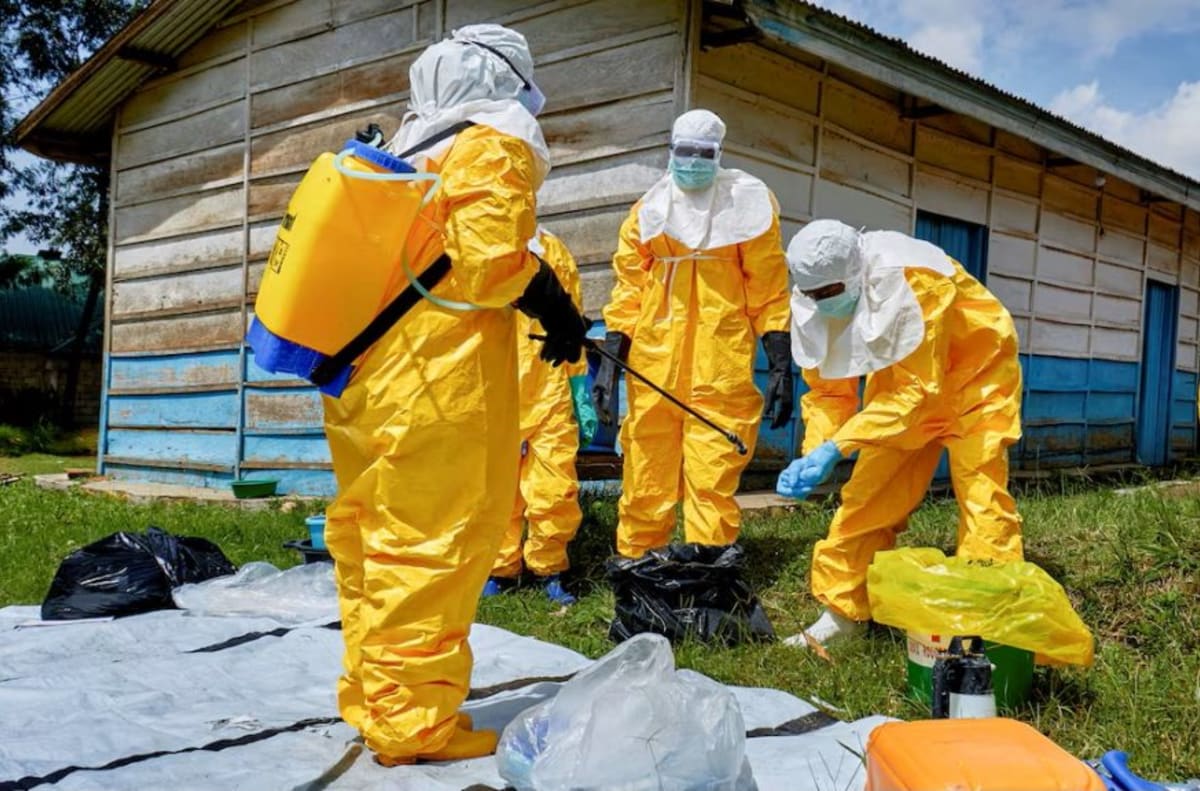
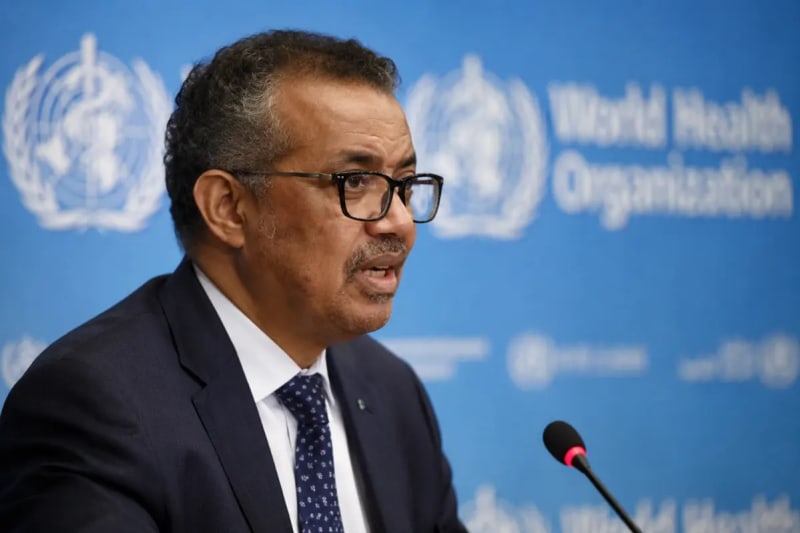
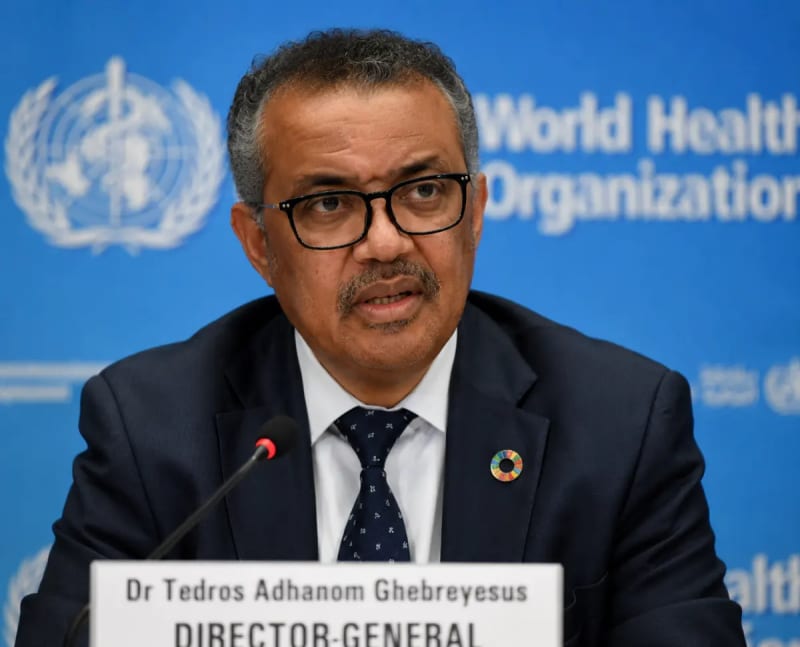
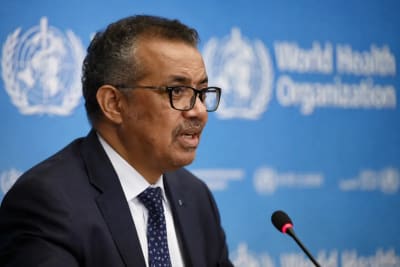
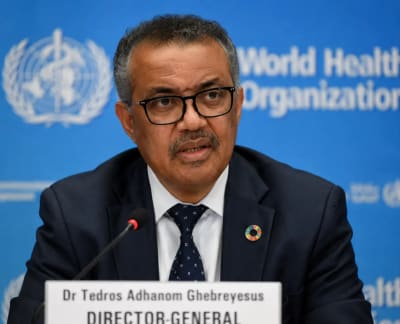
The Democratic Republic of the Congo (DRC) and the World Health Organization (WHO) have intensified their joint efforts to contain an Ebola outbreak in Ituri Province, where the rare Bundibugyo virus strain has been detected. The response follows a high level mission to Bunia, led by DRC Health Minister Dr Samuel Roger Kamba and WHO Director General Dr Tedros Adhanom Ghebreyesus, signaling growing concern over the virus's potential spread. With previous outbreaks of this strain linked to higher fatality rates and unpredictable transmission patterns, public health officials are prioritizing rapid containment to prevent a wider crisis in a region already grappling with conflict and fragile healthcare infrastructure.
What Happened
The DRC government and WHO have issued a joint statement confirming an Ebola outbreak in Ituri Province, caused by the Bundibugyo virus strain. This development follows a coordinated mission to Bunia, where health officials assessed the situation and mobilized resources to curb the spread. The Bundibugyo strain, first identified in 2007, is one of four Ebola virus species known to cause disease in humans and has been associated with outbreaks in Uganda and the DRC in the past.
Why Public Health Officials Are Concerned
The Bundibugyo strain is less studied than the more common Zaire strain, which has driven most of the recent Ebola outbreaks in the DRC. Historical data suggests it may have a lower fatality rate than Zaire but a more unpredictable transmission pattern, complicating containment efforts. The outbreak in Ituri Province is particularly alarming due to the region's ongoing conflict, which has displaced thousands and weakened healthcare access. These conditions create an environment where infectious diseases can spread rapidly, overwhelming local health systems.
Symptoms or Risk Factors
Ebola virus disease, regardless of the strain, typically presents with sudden onset of fever, fatigue, muscle pain, headache, and sore throat. As the disease progresses, symptoms may include vomiting, diarrhea, rash, impaired kidney and liver function, and in severe cases, internal and external bleeding. The Bundibugyo strain shares these clinical features but may exhibit variations in severity and progression. Healthcare workers, family members caring for patients, and those handling the bodies of deceased individuals are at highest risk of infection.
Who May Be Affected
The current outbreak primarily threatens residents of Ituri Province, particularly those in conflict affected areas with limited access to healthcare. However, the risk extends to neighboring regions and countries due to population movement and porous borders. Travelers to or from the affected area may unknowingly carry the virus, underscoring the need for heightened surveillance at border crossings and in transit hubs. Healthcare workers in the region are also at elevated risk, as they are often the first line of defense in identifying and treating cases.
Government or WHO Response
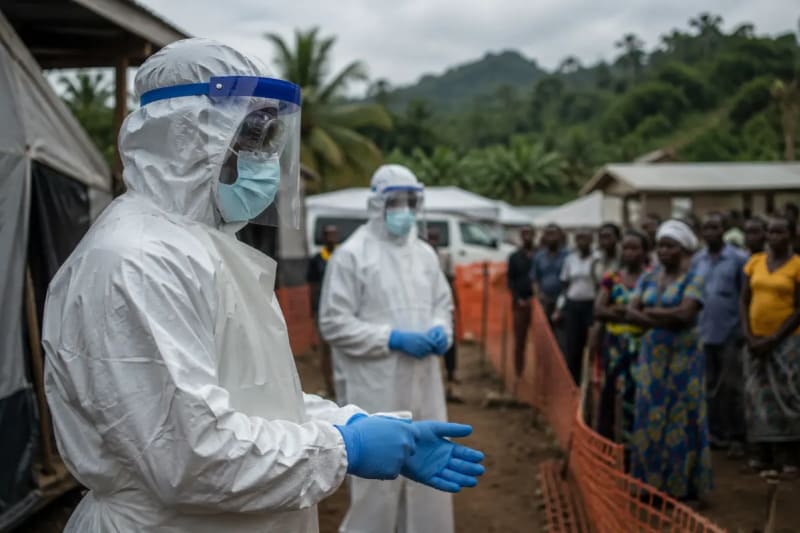
The DRC government and WHO have deployed a multi pronged response strategy, including the establishment of isolation centers, contact tracing, and community engagement initiatives. Dr Tedros Adhanom Ghebreyesus emphasized the importance of trust building with local communities to ensure cooperation with containment measures. Vaccination campaigns using the Ervebo vaccine, which has shown efficacy against the Zaire strain, are being considered, though its effectiveness against Bundibugyo remains unconfirmed. WHO has also activated its global network of experts to provide technical support, including laboratory diagnostics and infection prevention control.
Prevention and Safety Guidance
Preventing Ebola transmission relies on a combination of public health measures and individual precautions. Key steps include:
- Avoiding direct contact with bodily fluids of infected individuals or deceased bodies.
- Practicing rigorous hand hygiene with soap and water or alcohol based sanitizers.
- Using personal protective equipment (PPE) when caring for sick individuals or handling potentially contaminated materials.
- Ensuring safe burial practices, with trained teams handling the deceased to minimize exposure.
- Reporting suspected cases immediately to health authorities to enable rapid isolation and treatment.
Travelers to affected regions should monitor their health for 21 days after departure and seek medical attention if symptoms develop.
What Readers Should Know
This outbreak serves as a reminder of Ebola's persistent threat, particularly in regions with fragile healthcare systems. While the Bundibugyo strain is less deadly than Zaire, its emergence highlights the need for sustained investment in disease surveillance, laboratory capacity, and healthcare infrastructure. The global health community's rapid response demonstrates the progress made since the devastating 2014 2016 West Africa outbreak, but challenges remain in ensuring equitable access to vaccines, treatments, and resources in conflict zones. For now, containment efforts in Ituri are critical to preventing a larger crisis.
Key Takeaways
- The DRC and WHO are responding to an Ebola outbreak in Ituri Province caused by the rare Bundibugyo virus strain, which has a history of unpredictable transmission.
- The outbreak poses heightened risks due to conflict driven displacement and weakened healthcare infrastructure in the region.
- Symptoms of Ebola include fever, fatigue, vomiting, and in severe cases, internal bleeding. Healthcare workers and caregivers are at highest risk.
- Prevention measures include avoiding contact with bodily fluids, practicing hand hygiene, and ensuring safe burial practices.
- Vaccination campaigns and contact tracing are underway, though the Ervebo vaccine's efficacy against Bundibugyo is not yet confirmed.
Frequently Asked Questions
What is the Bundibugyo Ebola virus strain?
The Bundibugyo strain is one of four Ebola virus species known to cause disease in humans. It was first identified in 2007 and has been linked to outbreaks in Uganda and the DRC. While less deadly than the Zaire strain, it exhibits unpredictable transmission patterns, making containment more challenging.
How does this outbreak differ from previous Ebola outbreaks in the DRC?
This outbreak involves the Bundibugyo strain, which is less common than the Zaire strain responsible for most recent outbreaks in the DRC. The current situation is complicated by ongoing conflict in Ituri Province, which has displaced populations and strained healthcare resources, increasing the risk of rapid spread.
Is there a vaccine for the Bundibugyo strain?
The Ervebo vaccine, which is effective against the Zaire strain of Ebola, is being considered for use in this outbreak. However, its efficacy against the Bundibugyo strain has not been confirmed. WHO and the DRC government are evaluating the best approach to vaccination in this context.
What should travelers to the DRC know about this outbreak?
Travelers to Ituri Province or other affected areas should avoid contact with sick individuals, practice rigorous hand hygiene, and monitor their health for 21 days after departure. If symptoms such as fever, fatigue, or vomiting develop, they should seek medical attention immediately and inform healthcare providers of their travel history.
How can communities protect themselves from Ebola?
Communities can reduce the risk of Ebola transmission by avoiding direct contact with bodily fluids of infected individuals, practicing safe burial practices, and reporting suspected cases to health authorities. Public health education and trust building with local leaders are also critical to ensuring cooperation with containment measures.
Medical Review: MedSense Editorial Board












DISCUSSION (0)
POST A COMMENT