
The Democratic Republic of Congo is once again grappling with an Ebola outbreak, this time caused by a strain that has raised concerns among infectious disease specialists. While the immediate risk to populations outside the region remains low, public health officials are closely monitoring the situation due to the virus’s potential for rapid spread in vulnerable communities. Michele Barry, director of the Stanford Center for Innovation in Global Health, provides critical context on how this outbreak differs from previous ones, what makes containment challenging, and why a coordinated global response is essential to prevent wider transmission.
What Happened
The Democratic Republic of Congo has confirmed a new outbreak of Ebola virus disease, marking another chapter in the country’s long struggle with the deadly pathogen. This latest emergence involves a strain of the virus that, while not entirely new, has demonstrated unique epidemiological characteristics that warrant close attention. Unlike some previous outbreaks, this one has surfaced in a region with complex humanitarian challenges, including ongoing conflict, limited healthcare infrastructure, and high population mobility.
Why Public Health Officials Are Concerned
Ebola is notorious for its high fatality rate and ability to spread rapidly in settings with poor infection control. This outbreak’s strain, while genetically similar to those seen in past epidemics, has shown subtle differences in transmission dynamics. For instance, early reports suggest variations in the virus’s incubation period or severity, though these observations remain under investigation. The World Health Organization and local health authorities are particularly focused on preventing cross border spread, given the DRC’s porous borders with neighboring countries where healthcare systems are equally fragile.
Another layer of concern is the potential for misinformation to undermine containment efforts. In past outbreaks, rumors and distrust in medical interventions have led to resistance against vaccination campaigns and quarantine measures. Public health teams are now prioritizing community engagement to build trust and ensure accurate information reaches those most at risk.
Symptoms or Risk Factors
Ebola virus disease typically presents with sudden onset of fever, fatigue, muscle pain, and headache, often followed by vomiting, diarrhea, and in severe cases, internal and external bleeding. The virus spreads through direct contact with bodily fluids of infected individuals or contaminated surfaces. Healthcare workers, family caregivers, and those handling burials of Ebola victims are at highest risk of exposure. Early symptoms can be mistaken for other common illnesses like malaria or typhoid, delaying diagnosis and increasing the risk of transmission.
Who May Be Affected
The current outbreak is concentrated in the DRC’s eastern provinces, where decades of conflict have displaced millions and weakened healthcare systems. Populations in these areas face heightened vulnerability due to malnutrition, limited access to clean water, and overcrowded living conditions. While the risk to global populations remains low, travelers to affected regions or those in close contact with infected individuals could inadvertently carry the virus across borders. Airports in major hubs like Kinshasa and Nairobi have already implemented enhanced screening measures for passengers arriving from outbreak zones.
Government or WHO Response
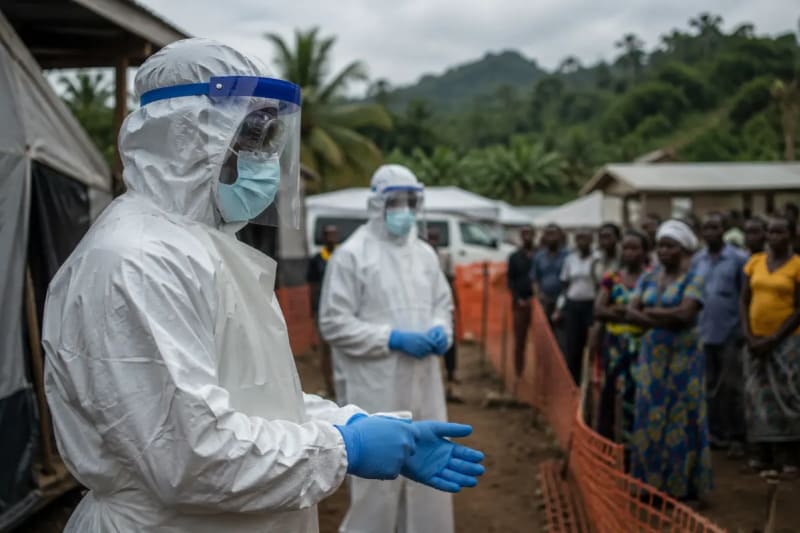
The World Health Organization has activated its emergency response protocols, deploying teams to support local health authorities in contact tracing, laboratory testing, and case management. The DRC’s Ministry of Health, in collaboration with international partners, has begun rolling out experimental vaccines and therapeutics, including the Ervebo vaccine, which has shown high efficacy in previous outbreaks. However, logistical challenges, such as reaching remote communities and maintaining cold chains for vaccines, complicate these efforts.
Global health agencies are also emphasizing the need for sustained funding and resource allocation. Past outbreaks have demonstrated that underfunded responses can lead to prolonged epidemics, as seen during the 2014 2016 West Africa crisis, which claimed over 11,000 lives. The WHO has called for increased support from donor countries to ensure a robust and agile response.
Prevention and Safety Guidance
For individuals in or traveling to affected regions, the following precautions are critical:
- Avoid direct contact with blood, bodily fluids, or tissues of infected individuals or animals.
- Practice rigorous hand hygiene, including frequent handwashing with soap and water or alcohol based sanitizers.
- Refrain from handling bushmeat or consuming raw or undercooked animal products.
- Seek immediate medical attention if symptoms such as fever, fatigue, or unexplained bleeding develop.
- Follow local health advisories and cooperate with vaccination or quarantine measures if recommended.
Healthcare workers should adhere to strict infection prevention and control protocols, including the use of personal protective equipment and isolation of suspected cases.
What Readers Should Know
While the current Ebola outbreak poses a significant threat to local populations, the global risk remains contained due to advances in surveillance, diagnostics, and medical countermeasures. However, complacency could have dire consequences. The international community’s ability to respond swiftly and effectively will determine whether this outbreak becomes a localized crisis or a broader public health emergency. For now, vigilance, preparedness, and solidarity with affected communities are paramount.
Readers are encouraged to rely on verified sources such as the WHO, CDC, or reputable health organizations for updates, rather than unverified social media reports. Misinformation can be as dangerous as the virus itself, particularly in an era where rumors spread faster than facts.
Key Takeaways
- The current Ebola outbreak in the DRC involves a strain with unique transmission characteristics, though the global risk remains low.
- Healthcare workers and caregivers are at highest risk, but early symptoms can be easily mistaken for other illnesses, delaying diagnosis.
- Global health agencies are deploying vaccines and therapeutics, but logistical challenges in conflict zones complicate containment efforts.
- Prevention relies on avoiding contact with bodily fluids, practicing hand hygiene, and following local health advisories.
- Misinformation poses a significant threat to outbreak control, making verified sources critical for accurate information.
Frequently Asked Questions
How does this Ebola strain differ from previous outbreaks?
While genetically similar to past strains, this outbreak’s virus may exhibit subtle differences in incubation period or severity. Research is ongoing to fully understand these variations and their implications for transmission and treatment.
Is there a vaccine available for this Ebola strain?
Yes, the Ervebo vaccine has been deployed in the DRC and has shown high efficacy in previous outbreaks. It is being used to protect high risk groups, including healthcare workers and contacts of confirmed cases.
What are the early symptoms of Ebola?
Early symptoms include sudden fever, fatigue, muscle pain, and headache. These can progress to vomiting, diarrhea, and in severe cases, internal or external bleeding. Symptoms may resemble other illnesses like malaria, so medical evaluation is crucial.
Why is the DRC particularly vulnerable to Ebola outbreaks?
The DRC’s eastern provinces face a combination of factors that heighten vulnerability: ongoing conflict, displaced populations, weak healthcare infrastructure, and high population mobility. These conditions make containment and treatment efforts significantly more challenging.
What should travelers to the DRC know about Ebola?
Travelers should avoid contact with sick individuals, practice strict hand hygiene, and follow local health advisories. Airports in the region have enhanced screening measures, and travelers exhibiting symptoms may be subject to quarantine or medical evaluation.
Medical Review: MedSense Editorial Board













DISCUSSION (0)
POST A COMMENT