What Happened
The Democratic Republic of Congo has reported over 900 suspected cases of Ebola since declaring an outbreak on May 15. The outbreak is caused by the Bundibugyo strain, a less common but still dangerous variant of the Ebola virus. Unlike the Zaire strain, which has approved vaccines and treatments, the Bundibugyo strain lacks any licensed medical countermeasures, leaving healthcare workers with limited tools to combat its spread.
Why Public Health Officials Are Concerned
The Bundibugyo strain presents unique challenges. While it is associated with a lower fatality rate than the Zaire strain, estimated at around 30% to 50% in past outbreaks, its resistance to existing vaccines means traditional containment strategies are less effective. The Ervebo vaccine, which has been instrumental in controlling recent Ebola outbreaks in Congo, is not approved for use against Bundibugyo. This gap in protection increases the risk of unchecked transmission, particularly in densely populated or conflict affected areas where healthcare access is limited.
Compounding the crisis is the region’s history of Ebola outbreaks, which have strained local health systems and eroded community trust. Previous epidemics have been exacerbated by misinformation, resistance to public health measures, and logistical hurdles in delivering care to remote areas. The current outbreak is unfolding in a context of ongoing violence and displacement, further complicating response efforts.
Symptoms and Risk Factors
Ebola virus disease typically begins with sudden onset of fever, fatigue, muscle pain, headache, and sore throat. As the illness progresses, patients may experience vomiting, diarrhea, rash, impaired kidney and liver function, and in severe cases, internal and external bleeding. The Bundibugyo strain follows a similar clinical course, though its symptoms may be less aggressive than those of the Zaire strain.
Transmission occurs through direct contact with bodily fluids of infected individuals or contaminated surfaces. Healthcare workers, family caregivers, and those handling the bodies of deceased patients are at highest risk. The incubation period ranges from 2 to 21 days, making early detection and isolation critical to preventing further spread.
Who May Be Affected
The outbreak is concentrated in Congo’s eastern provinces, where decades of conflict have displaced millions and weakened healthcare infrastructure. Communities in these areas face heightened vulnerability due to limited access to medical care, poor sanitation, and overcrowded living conditions. Children, the elderly, and individuals with pre existing health conditions are at greater risk of severe illness or death.
Healthcare workers on the front lines are also at significant risk. During past Ebola outbreaks, medical personnel have accounted for a disproportionate number of cases due to inadequate protective equipment and exposure to undiagnosed patients. The current outbreak has already placed additional strain on an already overburdened health system.
Government and WHO Response
Congolese health authorities, in collaboration with the World Health Organization and international partners, have mobilized to contain the outbreak. Response efforts include enhanced surveillance, contact tracing, and the establishment of isolation centers. However, the lack of an approved vaccine for the Bundibugyo strain has forced officials to rely on experimental treatments and supportive care, such as rehydration and symptom management.
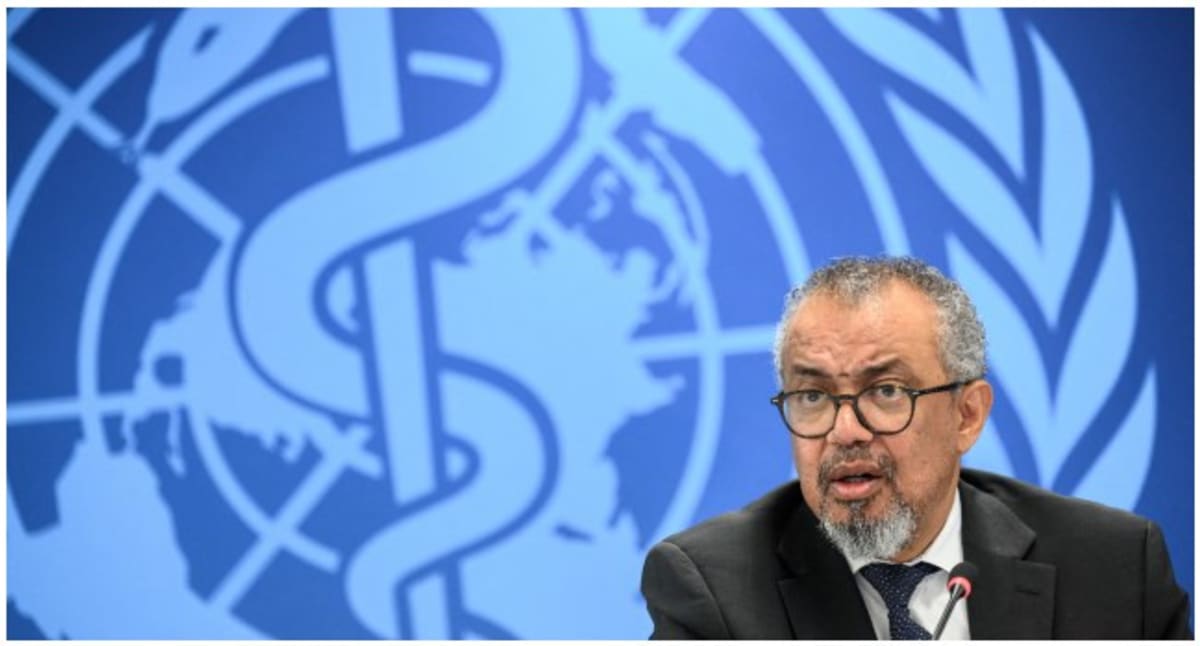
The WHO has declared the outbreak a Public Health Emergency of International Concern, a designation that unlocks additional funding and resources. The organization is also facilitating the deployment of rapid diagnostic tests and supporting local laboratories to accelerate case confirmation. Despite these measures, challenges remain, including securing safe access for health workers in conflict zones and addressing community mistrust.
Prevention and Safety Guidance
Preventing the spread of Ebola requires a combination of public health measures and community engagement. Key strategies include:
- Avoid direct contact with bodily fluids: Refrain from touching blood, saliva, urine, or other fluids from infected individuals, including the deceased.
- Practice hand hygiene: Regular handwashing with soap and water or alcohol based sanitizers can reduce transmission risk.
- Use protective equipment: Healthcare workers should wear gloves, masks, gowns, and face shields when caring for suspected or confirmed cases.
- Safe burial practices: Traditional burial rituals that involve washing or touching the body should be avoided. Trained teams should handle burials to minimize risk.
- Isolate suspected cases: Individuals exhibiting symptoms should be isolated immediately, and health authorities notified for testing and care.
- Community awareness: Public health campaigns should focus on educating communities about Ebola symptoms, transmission routes, and prevention measures to dispel myths and encourage early reporting.
What Readers Should Know
This outbreak underscores the ongoing threat posed by Ebola, particularly in regions with fragile healthcare systems. While the Bundibugyo strain is less deadly than the Zaire strain, its resistance to existing vaccines highlights the need for continued investment in research and development of medical countermeasures. For now, containment relies on traditional public health strategies, community cooperation, and international support.
Travelers to affected regions should stay informed about the outbreak’s progression and adhere to guidance from health authorities. Those experiencing symptoms after potential exposure should seek medical attention immediately and inform healthcare providers of their travel history.
The situation remains fluid, and updates from Congolese health authorities and the WHO should be monitored closely. The global health community’s response will be critical in determining whether this outbreak can be contained or risks spreading beyond Congo’s borders.
Key Takeaways
- Over 900 suspected Ebola cases have been reported in DR Congo, involving the rare Bundibugyo strain for which no approved vaccine or treatment exists.
- The Bundibugyo strain poses unique challenges due to its resistance to existing vaccines like Ervebo, complicating containment efforts in a region already burdened by conflict and weak healthcare infrastructure.
- Prevention relies on avoiding contact with bodily fluids, practicing hand hygiene, using protective equipment, and adhering to safe burial practices.
- The WHO has declared the outbreak a Public Health Emergency of International Concern, mobilizing resources to support Congo’s response, but community engagement and international cooperation remain critical.
Frequently Asked Questions
What is the Bundibugyo strain of Ebola?
The Bundibugyo strain is a rare variant of the Ebola virus, first identified in Uganda in 2007. It is associated with a lower fatality rate than the Zaire strain but poses challenges due to the lack of approved vaccines or treatments.
Why is this outbreak particularly concerning?
This outbreak is concerning because the Bundibugyo strain is resistant to existing Ebola vaccines, such as Ervebo, leaving communities vulnerable. Additionally, the outbreak is occurring in a conflict affected region with limited healthcare access, increasing the risk of unchecked transmission.
What are the symptoms of Ebola?
Symptoms typically include sudden fever, fatigue, muscle pain, headache, and sore throat, followed by vomiting, diarrhea, rash, and in severe cases, internal or external bleeding. Symptoms can appear 2 to 21 days after exposure.
How can Ebola be prevented?
Prevention involves avoiding direct contact with bodily fluids of infected individuals, practicing hand hygiene, using protective equipment, following safe burial practices, and isolating suspected cases. Community awareness and early reporting are also critical.
What is being done to contain the outbreak?
Congolese health authorities, the WHO, and international partners are implementing enhanced surveillance, contact tracing, and isolation measures. Experimental treatments and supportive care are being used, but the lack of an approved vaccine complicates efforts. The WHO has declared the outbreak a Public Health Emergency of International Concern to mobilize additional resources.
Medical Review: MedSense Editorial Board
























DISCUSSION (0)
POST A COMMENT