
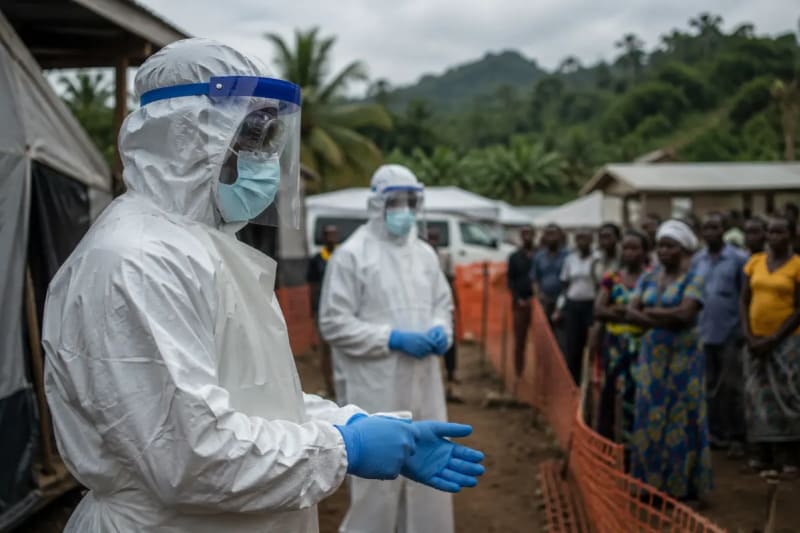
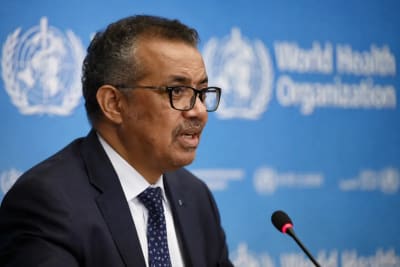
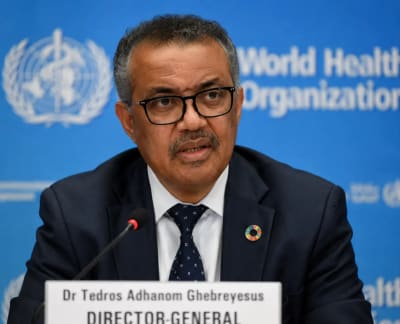
The World Health Organization has sounded the alarm over a rapidly escalating Ebola outbreak in eastern Democratic Republic of the Congo, where the virus is spreading faster than containment efforts can keep pace. The crisis is unfolding in a region already devastated by armed conflict, mass displacement, and acute hunger, creating what WHO officials describe as a "catastrophic collision" of public health emergencies. With healthcare infrastructure strained and communities on the move, the outbreak threatens to spiral beyond control, raising fears of wider regional transmission and a humanitarian disaster of unprecedented scale.
What Happened
The Democratic Republic of the Congo is grappling with a resurgent Ebola outbreak in its eastern provinces, where the virus has gained a dangerous foothold amid one of the most volatile humanitarian crises in the world. WHO officials reported this week that the outbreak is accelerating, with case numbers rising sharply in areas where armed groups have displaced hundreds of thousands of people. The convergence of disease, violence, and food insecurity has created a perfect storm, complicating efforts to trace contacts, administer vaccines, and deliver life saving care.
Why Public Health Officials Are Concerned
Ebola is one of the deadliest viral hemorrhagic fevers, with a fatality rate that can exceed 50% in untreated cases. The current outbreak is occurring in North Kivu and Ituri provinces, where decades of conflict have eroded trust in authorities and left healthcare systems in tatters. WHO officials warn that the combination of insecurity, population displacement, and limited access to affected communities is severely hampering containment efforts. Unlike previous outbreaks, this one is unfolding in an environment where healthcare workers face direct threats, and families are often forced to flee before they can be reached by response teams.
Adding to the urgency, the region is also battling a severe hunger crisis, with millions facing acute food insecurity. Malnutrition weakens immune systems, making individuals more susceptible to severe Ebola infection. The overlap of these crises has created a feedback loop, where disease exacerbates hunger, and hunger fuels the spread of disease.
Symptoms or Risk Factors
Ebola virus disease typically begins with sudden onset of fever, fatigue, muscle pain, headache, and sore throat. As the disease progresses, patients may experience vomiting, diarrhea, rash, impaired kidney and liver function, and in some cases, internal and external bleeding. The virus spreads through direct contact with bodily fluids of infected individuals or contaminated surfaces. Healthcare workers, family members caring for the sick, and those handling the bodies of deceased victims are at highest risk of infection.
Who May Be Affected
The outbreak is concentrated in communities already bearing the brunt of conflict and displacement. Civilians in North Kivu and Ituri provinces, particularly those living in overcrowded displacement camps or areas with limited access to healthcare, are most vulnerable. Healthcare workers, who are often the first line of defense, face heightened risks due to shortages of personal protective equipment and the challenges of operating in insecure environments. Children, the elderly, and those with underlying health conditions are also at greater risk of severe outcomes.
Government or WHO Response
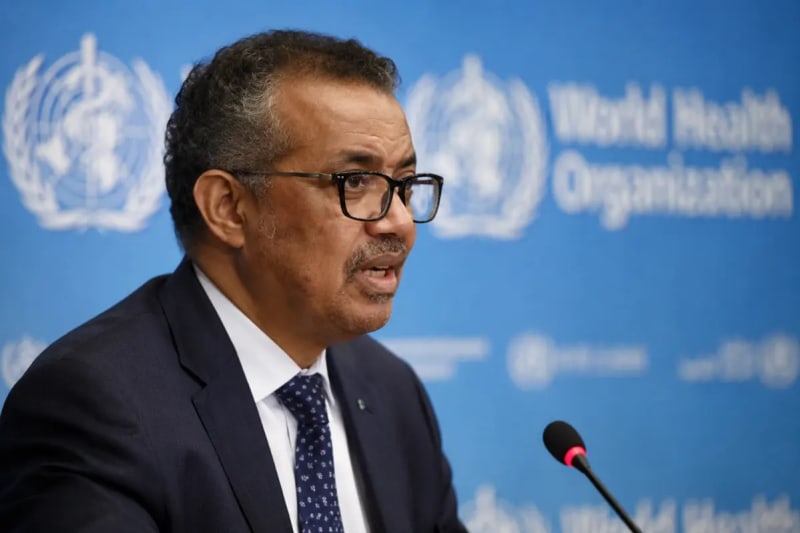
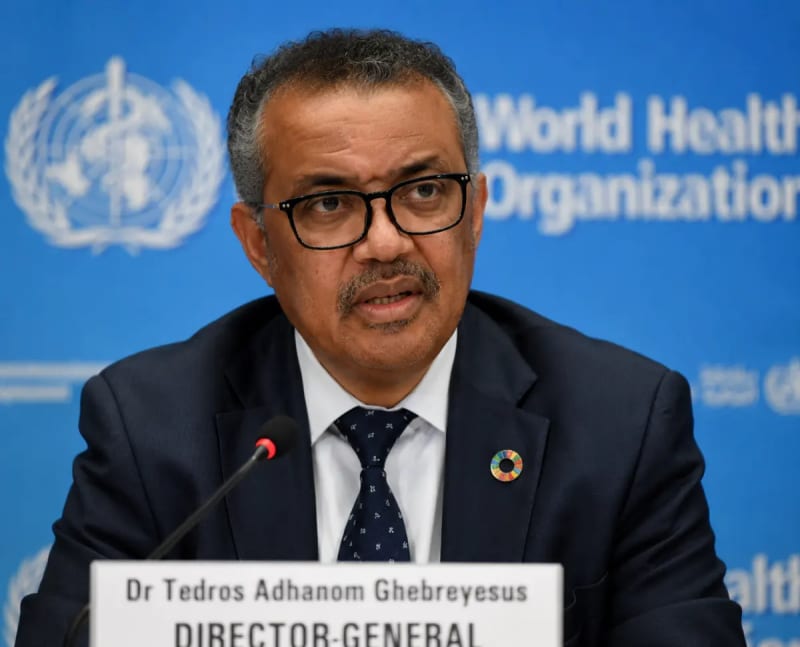
The WHO has declared the outbreak a public health emergency of international concern, a designation reserved for the most serious global health threats. Response efforts include the deployment of medical teams, the establishment of treatment centers, and the rollout of an experimental Ebola vaccine, which has shown promise in previous outbreaks. However, WHO officials acknowledge that the response is being undermined by insecurity, with some areas effectively off limits to health workers due to ongoing violence.
The Congolese government, in coordination with international partners, is working to scale up surveillance, contact tracing, and community engagement. Efforts are also underway to address the broader humanitarian crisis, including food distribution and support for displaced populations. Despite these measures, the situation remains precarious, with officials warning that the outbreak could spread to neighboring countries if containment efforts fail.
Prevention and Safety Guidance
Preventing the spread of Ebola requires a combination of public health measures and community cooperation. Key steps include:
- Avoiding direct contact with bodily fluids of infected individuals, including blood, saliva, sweat, urine, and feces.
- Practicing rigorous hand hygiene, including frequent handwashing with soap and water or alcohol based sanitizers.
- Using personal protective equipment, such as gloves and masks, when caring for sick individuals or handling the bodies of deceased victims.
- Isolating suspected cases immediately and reporting them to health authorities to prevent further transmission.
- Ensuring safe burial practices, as traditional funeral rites that involve direct contact with the deceased can fuel outbreaks.
For communities in affected regions, WHO and local health authorities are urging residents to seek medical care at the first sign of symptoms and to cooperate with contact tracing efforts. Vaccination campaigns are also being expanded, with priority given to healthcare workers and high risk contacts of confirmed cases.
What Readers Should Know
This outbreak is not just a public health crisis but a humanitarian one, where disease, conflict, and hunger are feeding off each other in a deadly cycle. The situation in eastern Congo underscores the fragility of health systems in conflict zones and the urgent need for sustained international support. While the WHO and its partners are working to contain the outbreak, the challenges are immense, and the stakes could not be higher. For those in affected regions, awareness and adherence to prevention measures are critical to slowing the spread of the virus. For the global community, this outbreak serves as a stark reminder of the interconnected nature of health, security, and human dignity.
Key Takeaways
- The Ebola outbreak in eastern Democratic Republic of the Congo is accelerating amid armed conflict, mass displacement, and acute hunger, creating a catastrophic public health emergency.
- WHO has declared the outbreak a public health emergency of international concern, warning that insecurity and limited access to affected communities are hampering containment efforts.
- Prevention measures, including hand hygiene, safe burial practices, and vaccination, are critical to controlling the spread of the virus in high risk areas.
Frequently Asked Questions
What is Ebola, and how does it spread?
Ebola is a severe, often fatal viral hemorrhagic fever that spreads through direct contact with the bodily fluids of infected individuals or contaminated surfaces. It can also spread through contact with the bodies of deceased victims, particularly during traditional funeral rites.
Why is this Ebola outbreak particularly dangerous?
This outbreak is occurring in a region plagued by armed conflict, mass displacement, and severe food insecurity. These factors are undermining containment efforts, increasing the risk of wider transmission, and creating a complex humanitarian crisis.
What is being done to contain the outbreak?
The WHO and Congolese government are leading response efforts, including the deployment of medical teams, establishment of treatment centers, and rollout of an experimental Ebola vaccine. However, insecurity and limited access to affected communities are significant obstacles.
How can individuals protect themselves from Ebola?
Key prevention measures include avoiding direct contact with bodily fluids of infected individuals, practicing rigorous hand hygiene, using personal protective equipment when caring for the sick, and following safe burial practices. Vaccination is also being offered to high risk groups.
Medical Review: MedSense Editorial Board










DISCUSSION (0)
POST A COMMENT