
In a move that has sent ripples through Nigeria’s healthcare system, the Nigerian Medical Association (NMA) has extended its strike action at the University of Uyo Teaching Hospital (UUTH), leaving thousands of patients in limbo and raising urgent questions about the sanctity of medical facilities. While doctors have resumed work in most state owned hospitals across Akwa Ibom State, UUTH remains a flashpoint, a facility where the clash between law enforcement and healthcare autonomy has reached a boiling point.
The NMA’s decision to maintain the strike at UUTH is not merely a labor dispute; it is a protest against what doctors describe as an unprecedented breach of medical autonomy. According to the association, operatives from the Economic and Financial Crimes Commission (EFCC) allegedly disrupted clinical operations at the hospital, a claim that has intensified concerns about the vulnerability of healthcare spaces to external interference.
What Happened
The conflict at UUTH began when the NMA accused EFCC operatives of entering the hospital premises, disrupting patient care, and compromising the hospital’s ability to function. The NMA alleges that the intrusion was not an isolated incident but part of a broader pattern of encroachment on medical facilities, raising alarms about the potential for law enforcement operations to spill into critical healthcare environments.
The strike suspension in other state-owned hospitals has provided temporary relief for some patients, but UUTH’s continued closure underscores a deeper crisis. Teaching hospitals like UUTH are vital hubs for specialized care, handling complex cases that smaller facilities cannot manage. Their disruption threatens to destabilize an already fragile healthcare system.
Why Public Health Officials Are Concerned
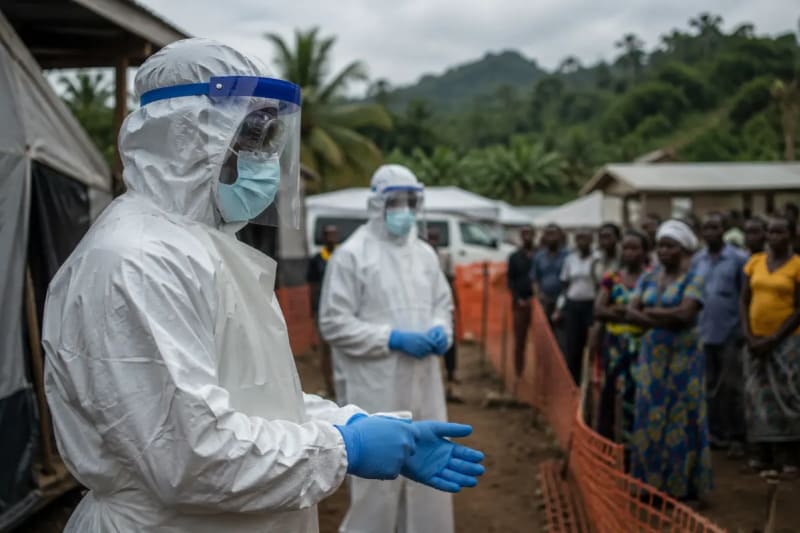
The strike at UUTH is not just a labor issue; it is a public health emergency in the making. Public health experts warn that prolonged disruptions to hospital operations could have far-reaching consequences:
- Delayed Care for Chronic Conditions: Patients with cancer, cardiovascular diseases, and other chronic illnesses face the risk of delayed diagnoses and treatments, which could worsen their conditions and reduce survival rates.
- Overburdened Nearby Hospitals: With UUTH’s emergency and outpatient services suspended, patients are being diverted to already strained facilities, increasing the risk of overcrowding and compromised care quality.
- Erosion of Trust in Healthcare Systems: When hospitals become entangled in external conflicts, public confidence in the healthcare system erodes. Patients may delay seeking care, fearing further disruptions or interference.
- Potential Brain Drain: If the crisis persists, skilled medical professionals may leave the region, exacerbating shortages and further destabilizing healthcare delivery.
The NMA’s strike is a stark reminder of the need for clear protocols to protect healthcare facilities from external disruptions. While law enforcement agencies must operate without obstruction, their actions must not come at the cost of patient lives or the integrity of medical spaces.
Who May Be Affected
The impact of the UUTH strike extends beyond the hospital’s walls, affecting a wide range of individuals and communities:
- Patients with Chronic Illnesses: Those undergoing treatment for cancer, diabetes, or heart disease may face interruptions in their care, leading to complications or setbacks in their treatment plans.
- Emergency and Trauma Patients: With UUTH’s emergency services suspended, patients requiring urgent care—such as accident victims or those experiencing strokes—may be diverted to hospitals with limited capacity, increasing the risk of adverse outcomes.
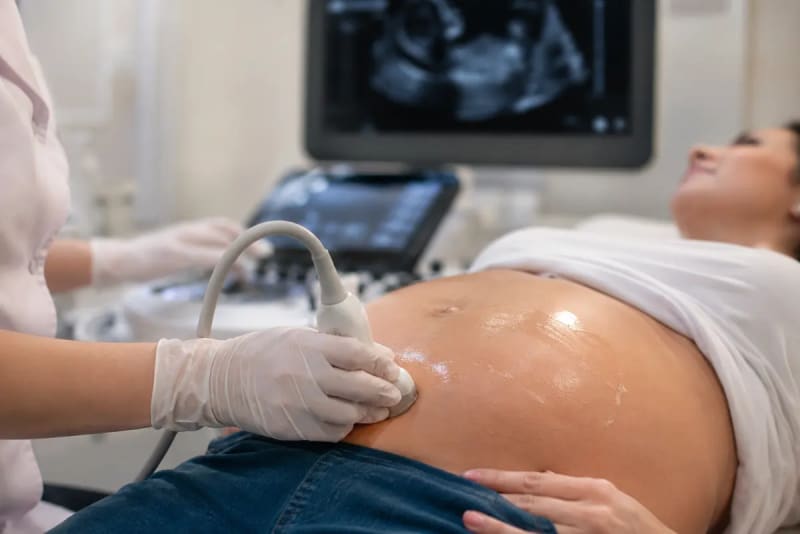
- Pregnant Women and Newborns: Maternity services at UUTH are among those affected, raising concerns about access to prenatal and postnatal care for expectant mothers.
- Healthcare Workers: Doctors, nurses, and support staff at UUTH are caught in the middle of this conflict, facing ethical dilemmas and professional risks as they navigate the strike and its aftermath.
- Local Communities: The strike has ripple effects on the broader healthcare ecosystem in Akwa Ibom State, where UUTH serves as a referral center for complex cases.
Government or WHO Response
As the crisis at UUTH escalates, calls for intervention have grown louder. The NMA has demanded a formal investigation into the alleged EFCC intrusion and guarantees against future disruptions to medical facilities. Meanwhile, health policy analysts are urging the Nigerian government to address the structural issues that have allowed this conflict to fester.
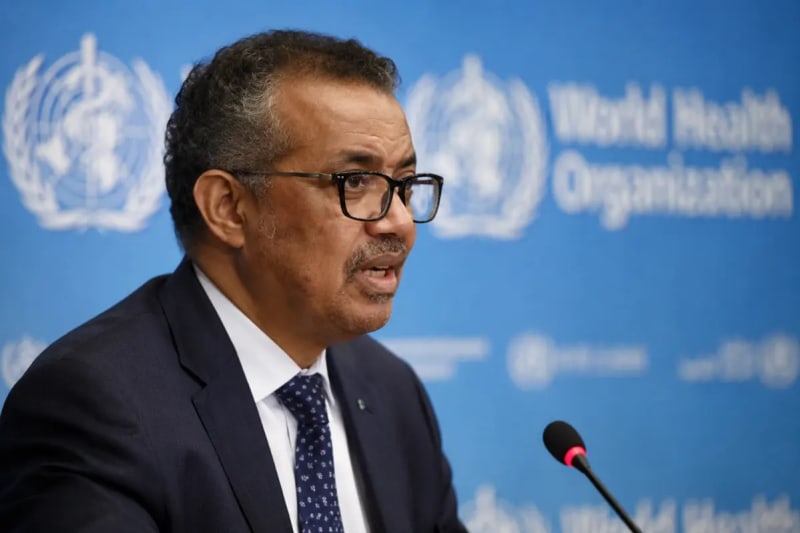
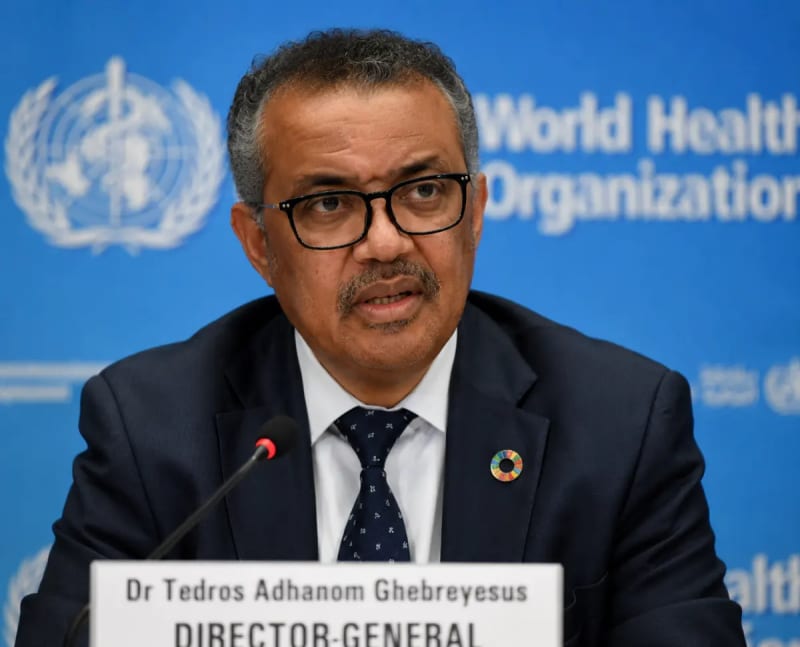
The World Health Organization (WHO) has emphasized the importance of protecting healthcare facilities from external interference, noting that such disruptions can undermine public health efforts and compromise patient safety. The WHO’s guidance on safeguarding medical spaces underscores the need for clear protocols to prevent law enforcement operations from encroaching on healthcare environments.
In response to the strike, the Akwa Ibom State government has pledged to facilitate dialogue between the NMA and relevant authorities. However, the resolution of this crisis will require a concerted effort to address the underlying issues and restore trust in the healthcare system.
Prevention and Safety Guidance
For patients and families affected by the UUTH strike, navigating the healthcare system during this period requires careful planning and awareness. Here are key steps to consider:
- Seek Alternative Care: If you or a loved one relies on UUTH for treatment, contact nearby private or federal medical centers for immediate needs. Be prepared for longer wait times and potential delays in care.
- Stay Informed: Follow updates from the NMA, UUTH’s official channels, and local health authorities for real-time developments. Reliable information can help you make informed decisions about your healthcare.
- Advocate for Resolution: Join local health advocacy groups to demand swift resolution and protections for medical facilities. Collective action can amplify your voice and pressure authorities to address the crisis.
- Document Your Care: If you are receiving treatment at an alternative facility, keep detailed records of your appointments, medications, and follow-up plans. This documentation can be crucial for continuity of care.
- Prioritize Emergency Care: In life-threatening situations, do not hesitate to seek care at the nearest available hospital, even if it is not your usual facility. Time is critical in emergencies.
What Readers Should Know
This crisis at UUTH is more than a labor dispute; it is a symptom of deeper systemic issues in Nigeria’s healthcare governance. The lack of clear protocols to shield hospitals from external disruptions has left healthcare workers and patients vulnerable to the fallout of conflicts that have little to do with medicine.
The NMA’s strike is a call to action for policymakers, law enforcement agencies, and healthcare leaders to collaborate on solutions that prioritize patient safety and the integrity of medical spaces. Without such measures, the risk of future disruptions—and their devastating consequences—remains unacceptably high.
For now, the people of Akwa Ibom State and beyond must navigate a healthcare system in turmoil. The resolution of this crisis will not only determine the fate of UUTH but also set a precedent for how Nigeria protects its healthcare facilities from external interference. The stakes could not be higher.
Key Takeaways
- The strike at Nigeria’s University of Uyo Teaching Hospital (UUTH) highlights critical gaps in protecting healthcare facilities from law enforcement interference.
- Prolonged disruptions to hospital operations threaten patient safety, particularly for those with chronic illnesses, emergency needs, and maternity care.
- The crisis underscores the need for clear protocols to prevent law enforcement operations from encroaching on medical spaces.
- Patients affected by the strike should seek alternative care, stay informed, and advocate for a swift resolution to restore normalcy.
- The resolution of this conflict will set a precedent for how Nigeria safeguards its healthcare system from external disruptions.
Frequently Asked Questions
Why is the strike at UUTH still ongoing when other hospitals have resumed work?
The NMA has extended the strike at UUTH due to unresolved concerns about the alleged intrusion by EFCC operatives and the broader issue of law enforcement interference in medical facilities. The association is demanding a formal investigation and guarantees against future disruptions before resuming work at UUTH.
What should patients do if they rely on UUTH for care?
Patients should contact nearby private or federal medical centers for immediate needs, stay informed through official channels, and keep detailed records of their care. In emergencies, seek care at the nearest available hospital without delay.
How does this strike affect healthcare workers at UUTH?
Healthcare workers at UUTH are caught in the middle of the conflict, facing ethical dilemmas and professional risks. The strike has disrupted their ability to provide care and may contribute to a potential brain drain if the crisis persists.
What is the government doing to resolve this crisis?
The Akwa Ibom State government has pledged to facilitate dialogue between the NMA and relevant authorities. However, the resolution will require addressing structural issues and restoring trust in the healthcare system.
Why is protecting healthcare facilities from external interference important?
Protecting healthcare facilities ensures patient safety, maintains public trust in the healthcare system, and prevents disruptions that could worsen health outcomes. Clear protocols are essential to prevent conflicts from spilling into medical environments.
Medical Review: MedSense Editorial Board









DISCUSSION (0)
POST A COMMENT