
What Happened
Recent decades have seen unprecedented advances in diagnostic technology. AI algorithms now outperform radiologists in detecting certain cancers, portable PCR machines bring molecular testing to remote clinics, and digital health records enable real time disease surveillance. Yet these innovations remain concentrated in wealthy nations and urban centers, leaving vast populations without access to life saving diagnostics. The World Health Organization estimates that 47% of the global population lacks access to essential diagnostic services, with the gap widest in sub Saharan Africa and South Asia. Even where tests exist, they are often unaffordable, unreliable, or require infrastructure that does not exist in resource limited settings.
Why Public Health Officials Are Concerned
The diagnostic divide is not just an access issue, it is a public health emergency. Without timely and accurate testing, diseases like HIV, tuberculosis, and cervical cancer progress unchecked, increasing transmission rates and mortality. In many low income countries, patients are treated based on symptoms alone, leading to misdiagnosis, overuse of antibiotics, and the spread of drug resistant infections. The COVID 19 pandemic exposed these vulnerabilities, as many nations struggled to scale testing capacity even for a single disease. Beyond infectious diseases, the lack of diagnostic tools hampers the detection of non communicable conditions like diabetes and hypertension, which now account for 74% of global deaths. Public health experts warn that without urgent action, the diagnostic gap will widen, undermining decades of progress in global health.
Who May Be Affected
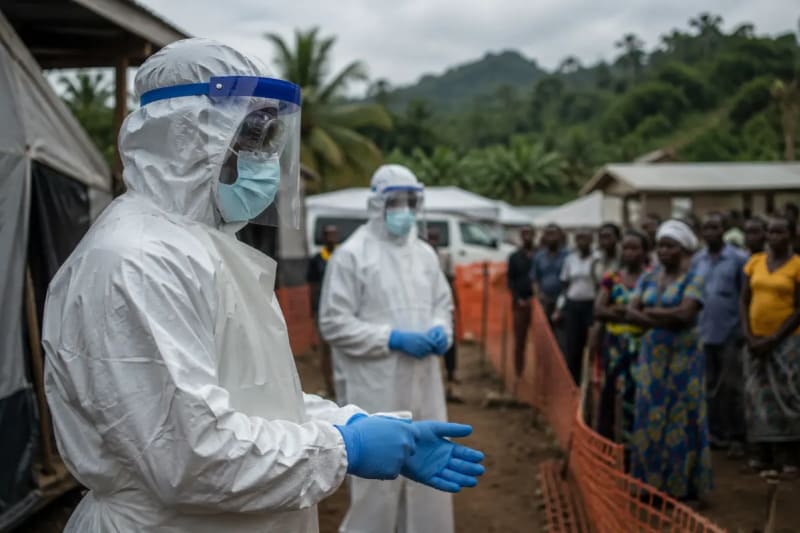
The burden of diagnostic inequity falls heaviest on the most vulnerable populations. Rural communities, where healthcare infrastructure is sparse, often lack even basic laboratory services. Women and children are disproportionately affected, as conditions like cervical cancer and childhood pneumonia require diagnostic tools that are frequently unavailable. Refugees and displaced populations face additional barriers, as mobile clinics and humanitarian organizations struggle to provide consistent testing. In high income countries, marginalized groups, including racial minorities, indigenous communities, and low income urban populations, also experience diagnostic disparities due to cost, geographic isolation, or systemic biases in healthcare delivery. The consequences extend beyond health, as undiagnosed illnesses lead to lost productivity, increased healthcare costs, and deeper poverty.
Government and WHO Response
The World Health Organization has identified diagnostic access as a cornerstone of universal health coverage, launching initiatives like the Essential Diagnostics List to prioritize tests that should be available in all settings. Governments in low and middle income countries are investing in laboratory networks, point of care testing, and workforce training, but progress is slow and uneven. International partnerships, such as the Global Fund to Fight AIDS, Tuberculosis and Malaria, have expanded diagnostic capacity for specific diseases, but broader systemic change remains elusive. Policymakers are increasingly advocating for tiered pricing models, local manufacturing of diagnostic tools, and integration of testing into primary care to bridge the gap. However, sustained funding and political will are critical to scaling these efforts.
Prevention and Safety Guidance
For individuals in resource limited settings, awareness and advocacy are key. Patients should seek care at facilities with verified laboratory services and inquire about available tests, even if costs are a barrier. Community health workers can play a vital role in educating populations about the importance of diagnostics and connecting them to services. Governments and NGOs can improve access by deploying mobile labs, training local technicians, and subsidizing tests for high burden diseases. On a global scale, donors and policymakers must prioritize diagnostic infrastructure as a fundamental component of health systems, rather than an afterthought. Innovations like low cost rapid tests and AI assisted diagnostics must be adapted for low resource settings, not just high income markets.
What Readers Should Know
The diagnostic divide is not an insurmountable challenge, but it requires collective action. Patients, providers, and policymakers all have a role to play in demanding and delivering equitable access to testing. For those in high income countries, supporting global health initiatives and advocating for fair pricing of diagnostic tools can make a difference. In low resource settings, community driven solutions, such as local manufacturing of test kits or telemedicine partnerships, can help fill gaps where traditional infrastructure is lacking. The goal is not just to bring existing tests to underserved populations, but to reimagine diagnostics for the realities of global health. The technology exists; what is needed now is the will to deploy it where it is needed most.
Key Takeaways
- Nearly half the global population lacks access to essential diagnostic tests, with the widest gaps in sub Saharan Africa and South Asia.
- The diagnostic divide fuels preventable deaths, misdiagnosis, and the spread of drug resistant infections, undermining global health progress.
- Women, children, rural communities, and marginalized groups bear the heaviest burden of diagnostic inequity.
- Solutions include tiered pricing, local manufacturing, mobile labs, and integrating diagnostics into primary care, but require sustained funding and political commitment.
- Patients and communities can advocate for better access, while global stakeholders must prioritize diagnostics as a cornerstone of health equity.
Frequently Asked Questions
Why is diagnostic access important for global health?
Diagnostic tests are the foundation of effective healthcare. They enable early detection of diseases, guide treatment decisions, and prevent unnecessary or harmful therapies. Without access to testing, patients are often treated based on symptoms alone, leading to misdiagnosis, delayed care, and increased mortality. Diagnostics also play a critical role in disease surveillance, outbreak response, and monitoring the effectiveness of public health interventions.
What are the biggest barriers to diagnostic access in low income countries?
The primary barriers include lack of infrastructure, such as reliable electricity and laboratory equipment; high costs of tests and reagents; shortages of trained personnel; and logistical challenges in transporting samples and results. Additionally, many diagnostic tools are designed for high income settings and are not adapted to the needs of low resource environments, where conditions like extreme heat, humidity, or limited refrigeration can compromise test accuracy.
How can AI and digital health help bridge the diagnostic gap?
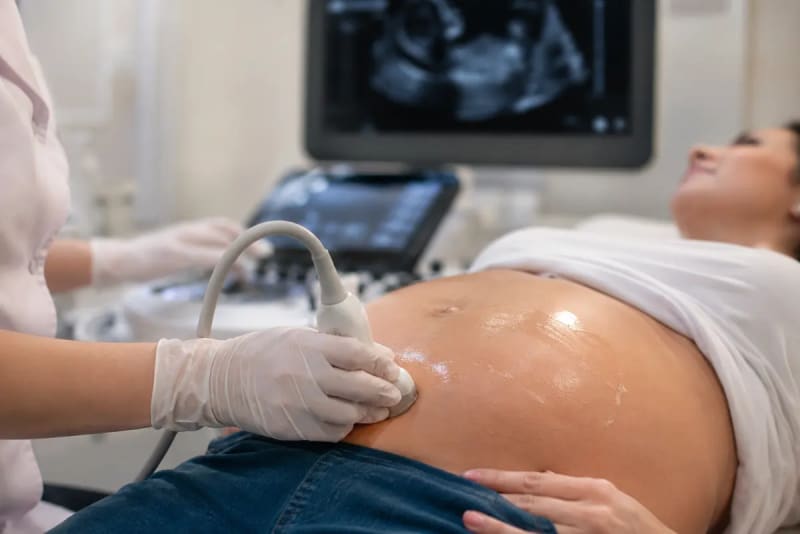
AI and digital health have the potential to revolutionize diagnostics in low resource settings by enabling faster, cheaper, and more accurate testing. For example, AI algorithms can analyze medical images or lab results with minimal human input, reducing the need for highly trained specialists. Portable diagnostic devices, such as handheld ultrasound machines or smartphone based lab tests, can bring testing to remote areas. Telemedicine platforms can connect local providers with experts in urban centers, improving diagnostic accuracy. However, these technologies must be designed with the constraints of low resource settings in mind, such as limited internet connectivity or unreliable power sources.
What can individuals do to improve diagnostic access in their communities?
Individuals can advocate for better diagnostic services by raising awareness about the importance of testing, supporting local health initiatives, and demanding accountability from policymakers. In areas with limited access, community health workers can be trained to perform basic tests or educate patients about available services. Donating to or volunteering with organizations that focus on diagnostic equity, such as the Foundation for Innovative New Diagnostics or PATH, can also make a difference. On a personal level, individuals can prioritize regular health check ups and encourage others to do the same, helping to normalize the use of diagnostic services.
Medical Review: MedSense Editorial Board



















DISCUSSION (0)
POST A COMMENT