
In a significant boost to Nigeria’s maternal health infrastructure, two 40 foot containers of life saving medical equipment have arrived in Anambra State. The donation, a collaboration between global beverage leader Coca Cola and nonprofit organization MedShare International, targets one of the country’s most pressing public health challenges: reducing preventable deaths during childbirth. With Nigeria accounting for nearly 20% of global maternal mortality cases, this initiative arrives at a critical moment for healthcare delivery in the region. The equipment, received by Anambra State Hospital Administrator Frank Ifeanaeme, forms part of the Coca Cola Safe Birth Initiative. This program specifically addresses gaps in maternal and newborn care by providing hospitals with essential tools to improve clinical outcomes. While corporate philanthropy in healthcare is not new, this partnership stands out for its direct alignment with Nigeria’s national health priorities and the United Nations Sustainable Development Goals.
What Happened
The Anambra State health sector has received a substantial donation of medical equipment through a partnership between MedShare International and The Coca Cola Company. The delivery consists of two 40 foot containers filled with essential devices and supplies designed to enhance maternal and neonatal care. This contribution falls under the Coca Cola Safe Birth Initiative, a program launched in 2018 to address high maternal and infant mortality rates in Nigeria.
The official handover ceremony took place at the state’s central medical facility, where Hospital Administrator Frank Ifeanaeme accepted the shipment on behalf of the Anambra State Government. While the exact inventory of the donation has not been publicly detailed, similar MedShare shipments typically include fetal monitors, neonatal incubators, surgical instruments, and emergency obstetric care equipment.
Why Public Health Officials Are Concerned
Nigeria remains one of the most challenging environments for maternal and child health globally. According to the World Health Organization, the country records approximately 58,000 maternal deaths annually, representing nearly 20% of the worldwide total. Many of these deaths occur due to preventable complications such as hemorrhage, sepsis, and obstructed labor, conditions that require timely medical intervention with proper equipment.
In Anambra State, healthcare facilities often operate with limited resources, particularly in rural areas. A 2022 report by Nigeria’s National Bureau of Statistics revealed that only 43% of births in the state occurred in health facilities, with many women delivering at home or in poorly equipped clinics. This donation directly targets these systemic gaps by equipping hospitals with tools to manage high risk pregnancies and emergency deliveries.
Who May Be Affected
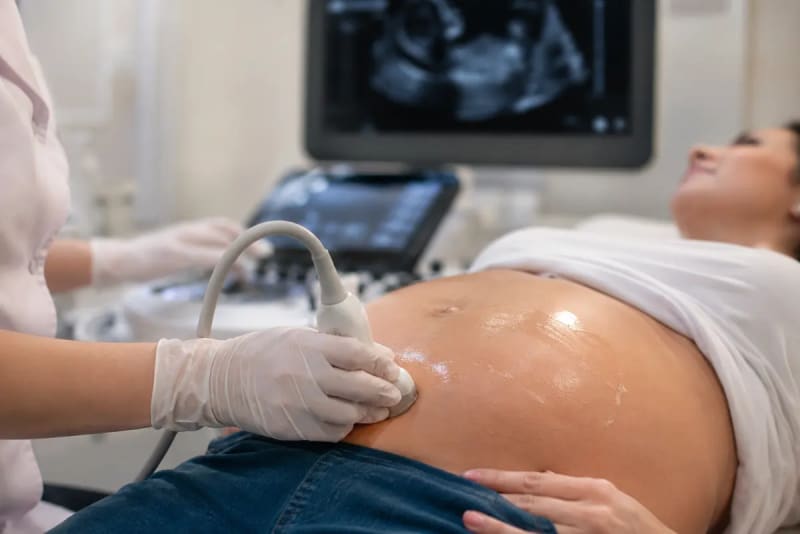
The primary beneficiaries of this initiative are pregnant women and newborns in Anambra State, particularly those in underserved communities. Healthcare workers, including midwives, obstetricians, and neonatal nurses, will also gain access to improved diagnostic and treatment capabilities. The ripple effects extend to families and local economies, as healthier mothers and infants contribute to reduced long term healthcare costs and increased workforce productivity.
Beyond Anambra, the donation serves as a model for corporate NGO partnerships in addressing healthcare disparities. Similar Safe Birth Initiative programs have been implemented in other Nigerian states, including Lagos and Kano, with measurable improvements in facility based deliveries and maternal survival rates.
Government and Organizational Response
The Anambra State Government has welcomed the donation as a critical step toward achieving its health sector goals. In a statement, Hospital Administrator Frank Ifeanaeme emphasized the equipment’s potential to “transform maternal and child health outcomes” in the state. MedShare International, which specializes in redistributing surplus medical supplies to low resource settings, has previously facilitated over 2,000 shipments to 120 countries, with a focus on maternal and child health.
The Coca Cola Company’s involvement reflects a broader trend of corporate engagement in global health. Through its Safe Birth Initiative, the company has committed to improving healthcare access in regions where it operates, aligning with the United Nations’ Sustainable Development Goal 3: ensuring healthy lives and promoting well being for all at all ages.
Prevention and Safety Guidance
While this donation addresses immediate equipment shortages, public health experts stress the importance of complementary measures to maximize its impact. These include:
- Training healthcare workers on the proper use and maintenance of new equipment.
- Strengthening referral systems to ensure women with high risk pregnancies reach equipped facilities in time.
- Community education campaigns to encourage facility based deliveries and antenatal care attendance.
- Establishing sustainable supply chains for consumables like oxygen, medications, and disposable supplies.
For pregnant women in Anambra State, the arrival of this equipment underscores the importance of seeking care at properly equipped health facilities. Women are advised to attend at least four antenatal visits, deliver with skilled birth attendants, and seek immediate medical attention for any signs of complications, such as severe bleeding, prolonged labor, or convulsions.
What Readers Should Know
This donation highlights the critical role of public private partnerships in bridging healthcare gaps, particularly in low resource settings. While the equipment will undoubtedly save lives, its long term success depends on sustained investment in healthcare infrastructure, workforce training, and community engagement. For readers in Nigeria and beyond, this initiative serves as a reminder of the ongoing need for collective action to address maternal health disparities.
Those interested in supporting similar efforts can explore opportunities with organizations like MedShare or advocate for policies that prioritize maternal and child health in national budgets. Healthcare professionals may also consider volunteering or providing training to local teams to ensure the optimal use of donated equipment.
Key Takeaways
- A partnership between Coca Cola and MedShare has delivered critical medical equipment to Anambra State, Nigeria, to improve maternal and newborn healthcare.
- Nigeria accounts for nearly 20% of global maternal deaths, with many preventable through better equipped health facilities.
- The donation aligns with the UN’s Sustainable Development Goal 3 and serves as a model for corporate NGO collaboration in public health.
- Sustainable impact requires ongoing training, community education, and infrastructure support alongside equipment donations.
Frequently Asked Questions
What is the Coca Cola Safe Birth Initiative?
The Coca Cola Safe Birth Initiative is a corporate social responsibility program launched in 2018 to reduce maternal and newborn mortality in Nigeria. It focuses on equipping hospitals with essential medical tools, training healthcare workers, and improving access to quality maternal care.
How will this donation improve maternal health in Anambra State?
The donated equipment will enable healthcare facilities to better manage complications during childbirth, such as hemorrhage and obstructed labor. It will also support neonatal care, reducing the risk of infant mortality. Improved facilities may encourage more women to deliver in hospitals rather than at home.
What challenges remain despite this donation?
While the equipment addresses immediate needs, challenges such as healthcare worker shortages, inadequate infrastructure, and low community awareness about facility based deliveries persist. Sustainable solutions require long term investment in training, supply chains, and public health education.
How can individuals support maternal health initiatives?
Individuals can support maternal health by donating to organizations like MedShare, volunteering with local health programs, advocating for policy changes, or raising awareness about the importance of antenatal care and skilled birth attendance.
Medical Review: MedSense Editorial Board


















DISCUSSION (0)
POST A COMMENT