What Happened
The U.S. government recently expanded travel restrictions targeting individuals arriving from Ebola affected regions in the Democratic Republic of the Congo, including mandatory quarantine protocols for some travelers. The move follows a resurgence of the virus in urban areas, where transmission risks are heightened by dense populations and limited healthcare infrastructure. However, Congolese health authorities have pushed back, calling the measures unnecessary and potentially harmful to ongoing containment efforts.
Why Public Health Officials Are Concerned
Travel bans and restrictive policies during past Ebola outbreaks have been linked to unintended consequences, including reduced transparency from affected countries and delays in international aid. Health leaders in Congo argue that such measures could discourage travelers from reporting symptoms or seeking care, fearing stigma or prolonged isolation. Additionally, restrictions may disrupt the flow of medical supplies, personnel, and funding, critical components of an effective outbreak response.
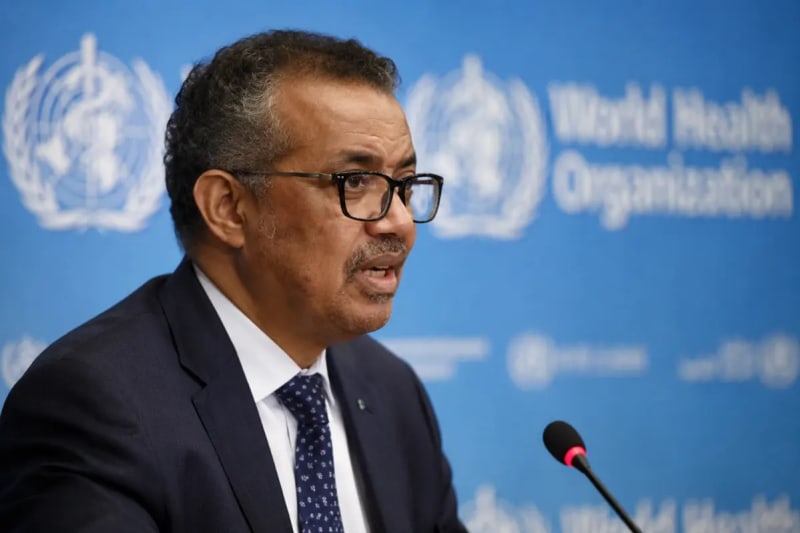
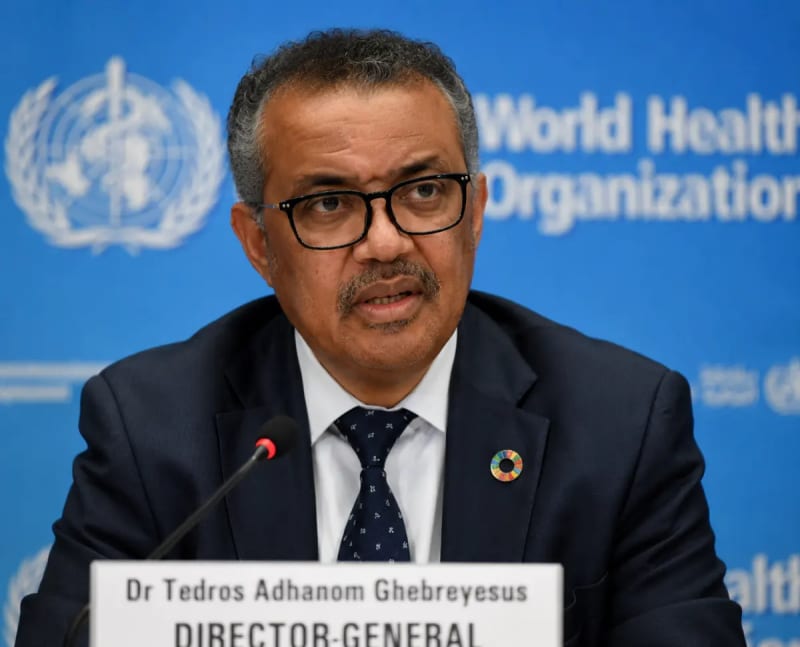
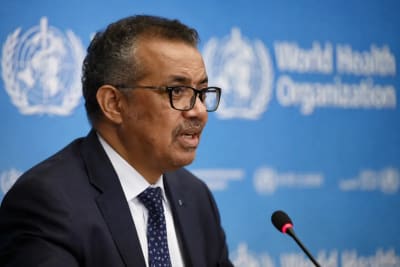
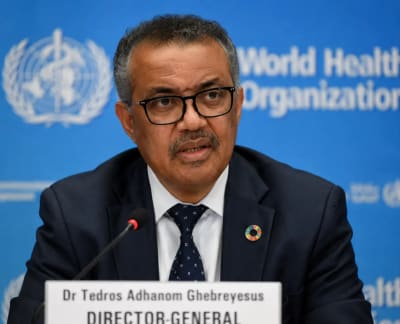
The World Health Organization has historically opposed broad travel bans during Ebola outbreaks, citing evidence that they do little to stop transmission while exacerbating economic and social hardships. Instead, the WHO recommends targeted screening, vaccination campaigns, and community engagement as more effective tools for containment.
Who May Be Affected
The immediate impact of the travel restrictions falls on Congolese travelers, healthcare workers, and aid organizations operating in outbreak zones. However, the broader implications extend to global health security. If travel bans deter cooperation between nations, the risk of undetected cases crossing borders increases, potentially sparking new clusters in other countries.
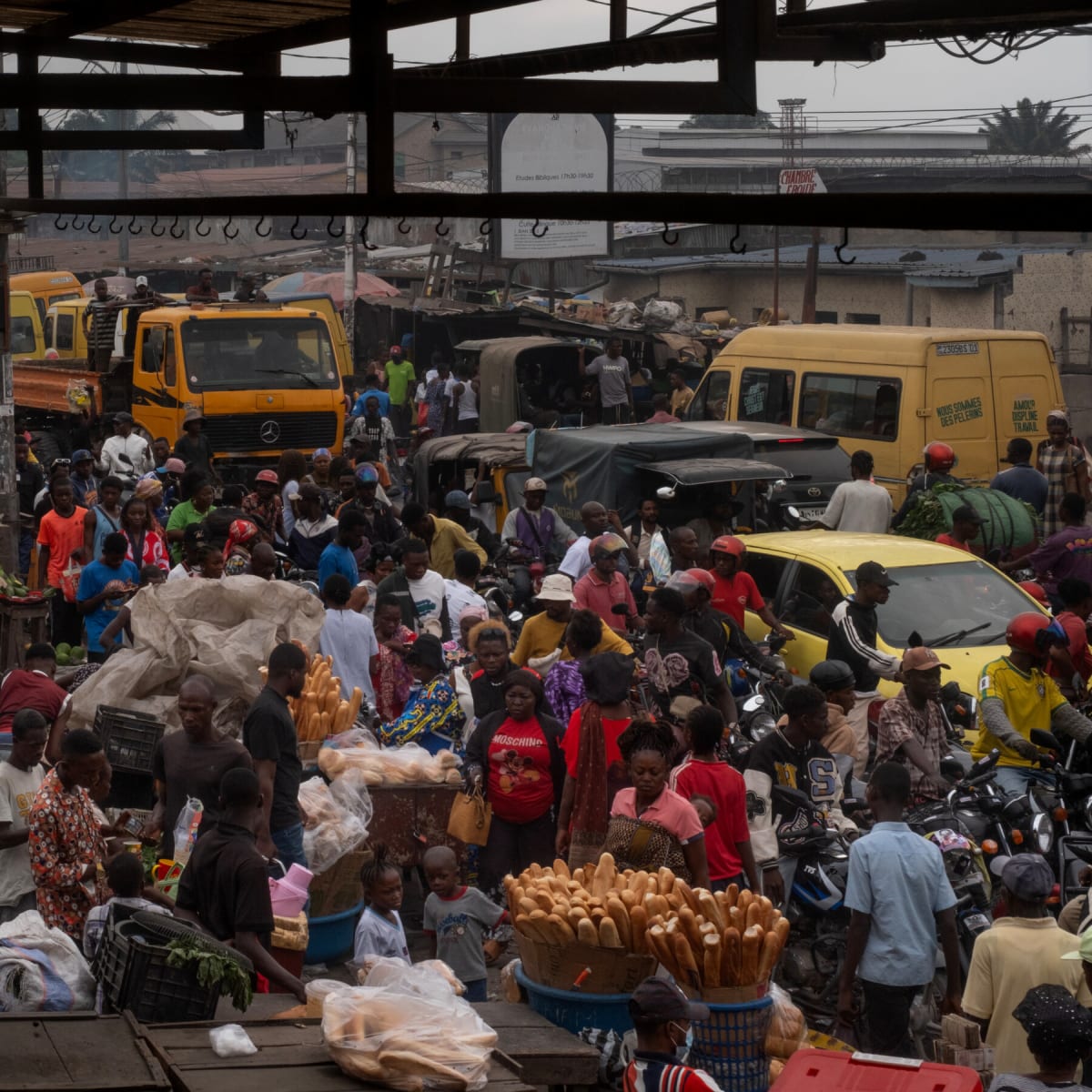
Local communities in Kinshasa and other urban centers also face heightened risks. Despite the outbreak, daily life continues largely unchanged, with crowded markets, public transit, and social gatherings remaining common. This behavior reflects both a lack of awareness and a coping mechanism in the face of prolonged crises, but it also creates ideal conditions for viral spread.
Government and WHO Response
The Congolese Ministry of Health has urged the U.S. to reconsider its approach, emphasizing that collaboration, not isolation, is key to controlling the outbreak. Meanwhile, the WHO continues to advocate for evidence based interventions, including ring vaccination strategies and enhanced surveillance at points of entry. The organization has also called for increased funding to support frontline workers and improve healthcare infrastructure in high risk areas.
Prevention and Safety Guidance
For travelers to or from Ebola affected regions, health authorities recommend the following precautions:
- Avoid contact with bodily fluids of infected individuals or animals.
- Practice rigorous hand hygiene, including frequent handwashing with soap or alcohol based sanitizers.
- Seek immediate medical attention if symptoms such as fever, fatigue, muscle pain, or unexplained bleeding develop.
- Follow local health advisories and cooperate with screening measures at airports and border crossings.
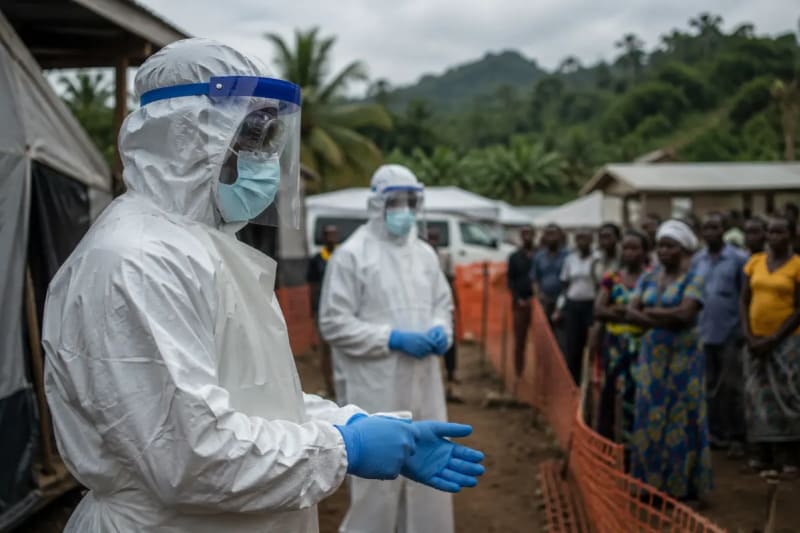
For communities in outbreak zones, reducing transmission relies on early detection, safe burial practices, and vaccination of high risk groups. Public health campaigns are critical to dispelling myths and encouraging adherence to preventive measures.
What Readers Should Know
Ebola remains a serious but preventable threat when robust public health systems are in place. The current debate over travel restrictions highlights the challenges of balancing global health security with the need for coordinated, compassionate responses. For those in affected regions, staying informed through trusted sources and adhering to guidance from local health authorities is the best defense against the virus.
International travelers should monitor updates from the WHO and the U.S. Centers for Disease Control and Prevention for the latest advisories. While the risk to most travelers remains low, vigilance and preparedness are essential in preventing further spread.
Key Takeaways
- Congo health officials argue that U.S. travel restrictions could hinder Ebola containment by isolating affected regions and disrupting aid.
- Historical evidence suggests travel bans may increase stigma, reduce transparency, and delay critical medical support during outbreaks.
- The WHO opposes broad travel restrictions, favoring targeted screening, vaccination, and community engagement instead.
- Urban centers like Kinshasa face heightened transmission risks due to crowded public spaces and limited healthcare infrastructure.
- Prevention relies on early detection, safe practices, and cooperation with health authorities, both locally and internationally.
Frequently Asked Questions
Why are travel bans controversial during Ebola outbreaks?
Travel bans can create unintended consequences, such as discouraging affected individuals from seeking care, reducing transparency from governments, and disrupting the flow of medical supplies and personnel. Public health experts argue that these measures often do more harm than good by isolating communities and hindering outbreak response efforts.
What are the most effective ways to control Ebola?
Effective Ebola control relies on a combination of strategies: ring vaccination to protect high risk groups, early detection and isolation of cases, safe burial practices, community engagement to build trust, and robust healthcare infrastructure. Travel restrictions are not considered an effective tool by major health organizations like the WHO.
How can travelers protect themselves from Ebola?
Travelers should avoid contact with bodily fluids of infected individuals or animals, practice rigorous hand hygiene, and seek medical attention immediately if symptoms like fever, fatigue, or unexplained bleeding develop. Following local health advisories and cooperating with screening measures at airports or borders is also critical.
Is the risk of Ebola spreading globally high?
While Ebola is a serious and often fatal disease, the risk of widespread global transmission remains low when robust public health measures are in place. Most cases are contained within affected regions, but vigilance is necessary to prevent undetected spread, particularly in areas with weak healthcare systems.
Medical Review: MedSense Editorial Board










DISCUSSION (0)
POST A COMMENT