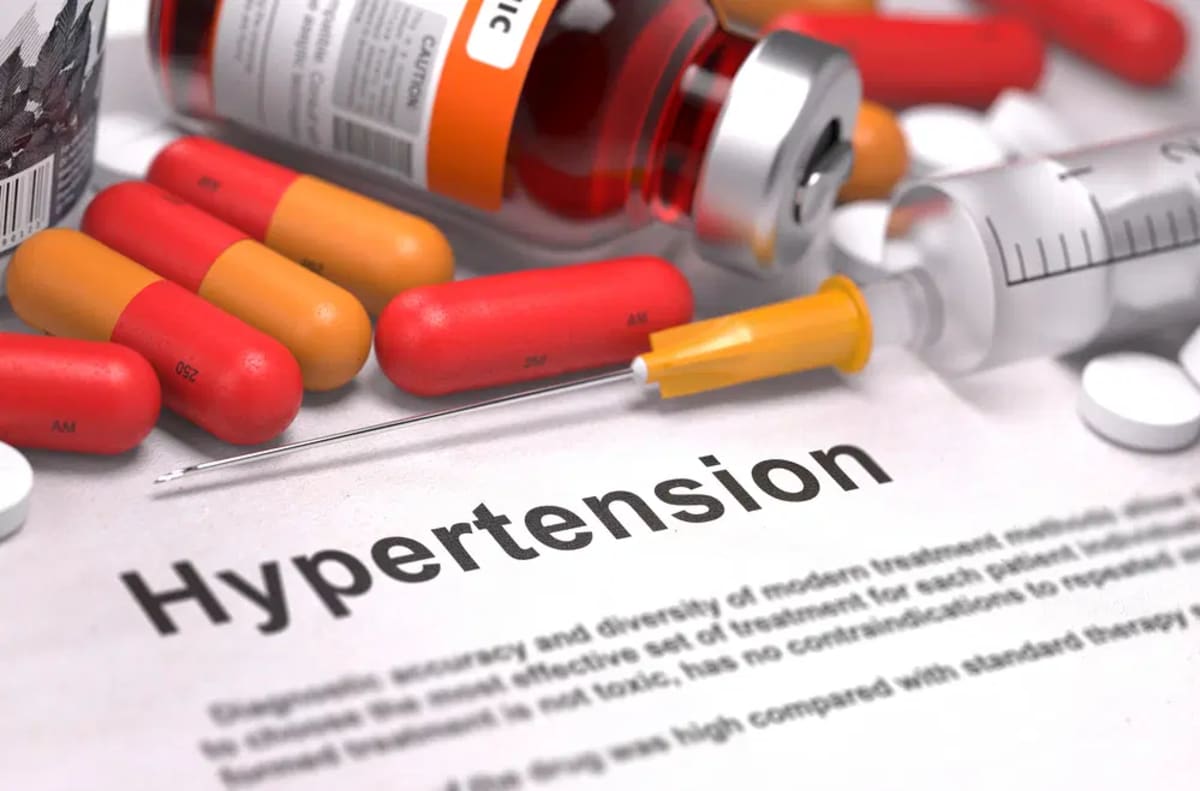
Lagos, Nigeria’s most populous city, faces a silent but deadly health crisis. More than one in three adults here live with hypertension, yet most receive inadequate treatment or none at all. A groundbreaking study now quantifies the financial investment needed to bridge this gap, and the staggering consequences of inaction. Researchers estimate that scaling up guideline based care could prevent thousands of cardiovascular complications annually, but the cost of medications alone stands as a formidable barrier for millions of uninsured patients. With hypertension related deaths rising across sub Saharan Africa, the findings underscore an urgent need for policy reforms to make life saving treatment accessible and affordable.
What Happened
A team of researchers from the Amsterdam Institute for Global Health and Development and the Lagos State Health Management Agency analyzed real world medical records from 1,249 hypertension patients across 74 public and private healthcare facilities in Lagos. The study, published in Communications Medicine, calculated the investment required to deliver guideline recommended care, including consultations, counseling, and medications. The findings reveal a stark reality: providing complete care would cost approximately 148 USD per patient annually, with medications accounting for 70% of the total expense. For uninsured patients, the gap between current and recommended care widens to 142 USD per year.
Why Public Health Officials Are Concerned
Hypertension is a leading cause of cardiovascular disease, stroke, and premature death in Nigeria, where awareness, treatment, and control rates remain alarmingly low. The study found that adherence to clinical guidelines, such as regular consultations and consistent medication use, was associated with a 5 to 6 mmHg reduction in systolic blood pressure. While this may seem modest, it translates to a 6% to 14% decrease in the risk of heart attacks, strokes, and other complications. However, the financial burden of scaling up care statewide is daunting. The researchers estimate that providing guideline based treatment to all hypertension patients in Lagos would require an annual investment of 300 million USD, or 5,000 to 13,000 USD per life year saved.
Who May Be Affected
The study highlights deep inequalities in hypertension care. Uninsured patients, who make up a significant portion of Lagos’s population, face the highest out of pocket costs and are least likely to receive consistent treatment. Women, older adults, and low income groups are disproportionately affected, as they often delay or forgo care due to financial constraints. With Nigeria’s hypertension prevalence among the highest in sub Saharan Africa, the lack of affordable treatment risks exacerbating an already severe public health crisis.
Government and Policy Response
The study’s authors call for urgent policy interventions to reduce the cost of hypertension care. Key recommendations include:
- Bulk purchasing of medications to lower prices and improve availability.
- Expanding health insurance coverage to reduce out of pocket expenses for patients.
- Adopting innovative care models, such as group based or blended care, to improve efficiency without compromising quality.
- Strengthening primary healthcare systems to ensure early diagnosis and consistent follow up.
The Lagos State Health Management Agency has not yet announced specific measures in response to the study, but the findings align with broader efforts to reform Nigeria’s healthcare financing system. Without action, the economic and human cost of untreated hypertension will continue to rise.
Prevention and Safety Guidance
For individuals living with hypertension in Lagos, the study offers critical insights into managing the condition effectively. Key steps include:
- Regular blood pressure monitoring, either at home or through local clinics.
- Adhering to prescribed medications, even when symptoms are not immediately apparent.
- Seeking out community health programs or group based care models, which may offer more affordable treatment options.
- Advocating for policy changes, such as expanded insurance coverage, to reduce financial barriers to care.
Public health campaigns should also prioritize awareness, as many Nigerians remain undiagnosed or unaware of their hypertension status. Early detection and consistent treatment are the most effective ways to prevent life threatening complications.
What Readers Should Know
This study is a wake up call for policymakers, healthcare providers, and patients alike. Hypertension is not just a personal health issue, it is a public health emergency with far reaching economic and social consequences. While the financial investment required to scale up care is substantial, the cost of inaction is far greater. Every year of delayed treatment increases the risk of irreversible damage to the heart, brain, and kidneys. For Lagos’s millions of uninsured and underinsured residents, the path to affordable care begins with systemic change, starting with lower drug prices and broader insurance coverage.
The study also serves as a model for other low and middle income countries grappling with similar challenges. With 66% of the world’s hypertension patients living in these regions, the lessons from Lagos could inform global strategies to combat this silent epidemic.
Key Takeaways
- Providing guideline based hypertension care in Lagos would cost approximately 148 USD per patient annually, with medications accounting for 70% of the expense.
- Adherence to clinical guidelines could reduce systolic blood pressure by 5 to 6 mmHg, lowering cardiovascular risk by 6% to 14%.
- Scaling up care statewide would require an annual investment of 300 million USD, or 5,000 to 13,000 USD per life year saved.
- Uninsured patients face the highest financial barriers, with a treatment gap of 142 USD per year.
- Policy reforms, such as bulk medication purchasing and expanded insurance coverage, are critical to making hypertension care affordable and accessible.
Frequently Asked Questions
Why is hypertension such a major health concern in Nigeria?
Hypertension is a leading cause of cardiovascular disease, stroke, and premature death in Nigeria. More than one in three adults in the country live with high blood pressure, yet many remain undiagnosed or untreated due to financial barriers, lack of awareness, and limited access to healthcare. The condition disproportionately affects low income and uninsured populations, exacerbating health inequalities.
What are the main cost drivers of hypertension treatment in Lagos?
Medications are the primary cost driver, accounting for about 70% of the total expense of guideline based care. Other costs include clinic visits, counseling, and laboratory tests. For uninsured patients, these expenses create a significant financial burden, often leading to inconsistent or abandoned treatment.
How can the cost of hypertension care be reduced?
The study recommends several strategies to lower costs, including bulk purchasing of medications to reduce prices, expanding health insurance coverage to minimize out of pocket expenses, and adopting innovative care models like group based or blended care. Strengthening primary healthcare systems to improve early diagnosis and follow up can also enhance efficiency.
What are the risks of untreated hypertension?
Untreated hypertension can lead to severe complications, including heart attacks, strokes, kidney failure, and vision loss. Even modest reductions in blood pressure, such as the 5 to 6 mmHg decrease associated with guideline based care, can significantly lower the risk of these life threatening events. Delayed treatment increases the likelihood of irreversible damage to vital organs.
What can individuals do to manage hypertension effectively?
Individuals with hypertension should prioritize regular blood pressure monitoring, adhere to prescribed medications, and seek out affordable care options, such as community health programs or group based treatment models. Advocating for policy changes, like expanded insurance coverage, can also help reduce financial barriers to care. Public awareness campaigns are crucial for early detection and prevention.
Medical Review: MedSense Editorial Board












DISCUSSION (0)
POST A COMMENT