
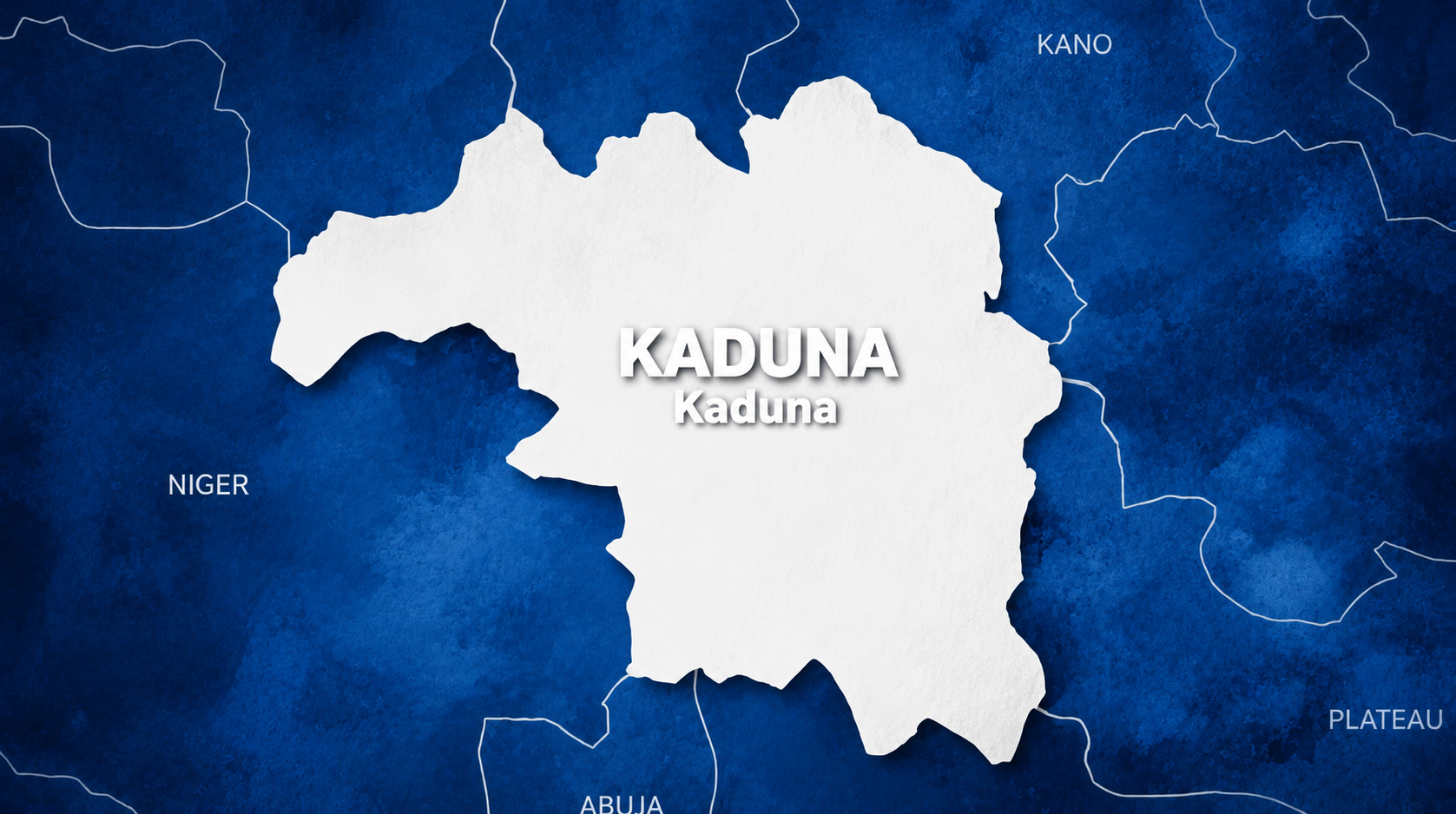
A violent rainstorm tore through Dokan Mai Jama’a, a community in Kaduna State’s Chikun Local Government Area, on Tuesday, flattening more than 50 homes and killing two residents. The disaster struck with little warning, trapping families in collapsing structures and uprooting trees that blocked roads. Search and rescue teams, including members of the Kaduna State Emergency Management Agency (KADSEMA), are still searching for possible additional victims.
What Happened
The storm’s intensity overwhelmed the area, with wind speeds strong enough to peel roofs from buildings and floodwaters rising within minutes. Alhaji Hamisu Tukur, the village head, told local media that residents had no time to react as the weather shifted from calm to catastrophic in under an hour. Power lines were severed, water pipes burst, and the community’s only access road became impassable, cutting off communication with nearby towns.
Why Public Health Officials Are Concerned
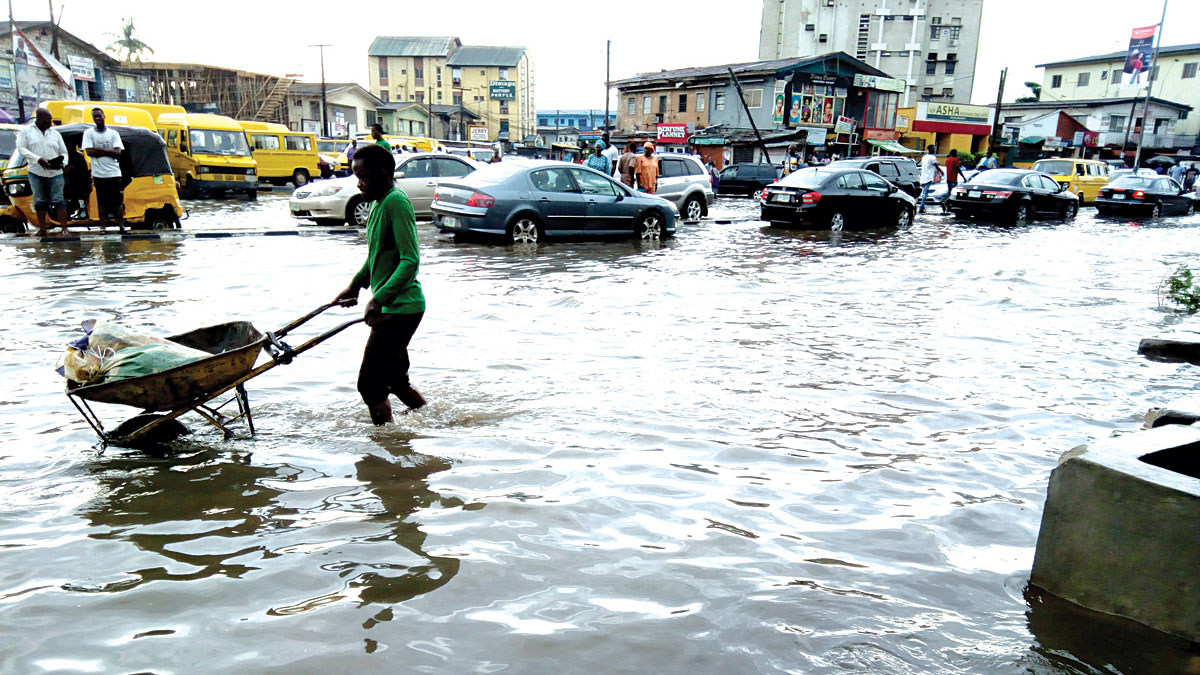
Extreme weather events like this are becoming more frequent and severe, a trend climate scientists attribute to rising global temperatures. According to the Nigerian Meteorological Agency (NiMet), Kaduna State has recorded a 20% increase in heavy rainfall events over the past decade. Public health experts warn that such disasters create immediate hazards, drowning, electrocution, and injuries from flying debris, while also setting the stage for long term health risks, including waterborne diseases and mental health crises among displaced populations.
Symptoms or Risk Factors
While the storm itself caused physical harm, the aftermath introduces new dangers. Floodwaters can contaminate drinking water with sewage and chemicals, increasing the risk of cholera and dysentery. The World Health Organization (WHO) notes that displaced individuals face heightened vulnerability to respiratory infections due to overcrowded shelters and poor sanitation. Mental health professionals also report spikes in anxiety and post traumatic stress disorder among survivors, particularly children.
Who May Be Affected
Residents of low income neighborhoods, where housing is often poorly constructed and drainage systems are inadequate, bear the brunt of such disasters. The elderly, children, and people with preexisting health conditions are at higher risk of injury or illness during and after extreme weather events. In Kaduna, families who lost their homes now rely on makeshift shelters or temporary housing provided by local authorities and aid groups.
Government or WHO Response
KADSEMA has deployed assessment teams to evaluate structural damage and coordinate relief efforts. The agency, in partnership with the National Emergency Management Agency (NEMA), is distributing food, clean water, and medical supplies to affected households. The Nigerian Red Cross Society has also mobilized volunteers to clear debris and provide psychosocial support. The WHO has issued guidance to local health facilities on managing flood related illnesses, emphasizing the need for rapid response to prevent outbreaks.
Prevention and Safety Guidance
For communities in flood prone regions, experts recommend several measures to reduce risks. Installing early warning systems, such as sirens or mobile alerts, can provide critical minutes to evacuate. Reinforcing homes with hurricane straps and elevating electrical systems can minimize damage. Residents should also store emergency kits with non perishable food, water purification tablets, and first aid supplies. After a storm, avoiding floodwaters and boiling drinking water are essential to prevent infections.
What Readers Should Know
Climate change is not a distant threat, it is reshaping weather patterns today, with deadly consequences. The Kaduna disaster underscores the need for both immediate relief and long term resilience. Policymakers must invest in climate adaptation strategies, including flood resistant infrastructure and sustainable urban planning. For individuals, understanding local weather risks and preparing for emergencies can save lives. As extreme weather becomes the norm, proactive measures will determine whether communities thrive or struggle to recover.
Key Takeaways
- Extreme weather events linked to climate change are increasing in frequency and severity, posing immediate and long term health risks.
- Floods and storms can contaminate water supplies, trigger disease outbreaks, and exacerbate mental health challenges among survivors.
- Low income communities with inadequate housing and infrastructure are disproportionately affected by such disasters.
- Early warning systems, resilient infrastructure, and emergency preparedness are critical to reducing casualties and recovery time.
- Public health responses must address both physical injuries and secondary health risks, including waterborne diseases and psychological trauma.
Frequently Asked Questions
How does climate change contribute to more intense rainstorms?
Rising global temperatures increase evaporation rates, leading to heavier rainfall. Warmer air holds more moisture, which is released during storms, making downpours more severe. According to the Intergovernmental Panel on Climate Change (IPCC), human induced climate change has already intensified extreme precipitation events in many regions.
What are the immediate health risks after a flood?
Floodwaters can contaminate drinking water with bacteria, viruses, and chemicals, increasing the risk of gastrointestinal infections like cholera and dysentery. Standing water also becomes a breeding ground for mosquitoes, raising the threat of malaria and dengue fever. Injuries from debris and electrocution are common, while overcrowded shelters can spread respiratory illnesses.
How can communities prepare for extreme weather events?
Communities should establish early warning systems, such as sirens or mobile alerts, and conduct regular emergency drills. Homes in flood prone areas can be reinforced with elevated foundations or flood barriers. Residents should maintain emergency kits with food, water, medications, and first aid supplies. After a storm, avoiding floodwaters and boiling drinking water are critical to preventing infections.
What role do local governments play in disaster response?
Local governments are responsible for coordinating search and rescue operations, assessing damage, and distributing relief supplies. They must also invest in resilient infrastructure, such as improved drainage systems and storm resistant buildings. Collaboration with national agencies like NEMA and international organizations like the WHO ensures a comprehensive response to both immediate and long term needs.
Medical Review: MedSense Editorial Board






DISCUSSION (0)
POST A COMMENT