
What Happened
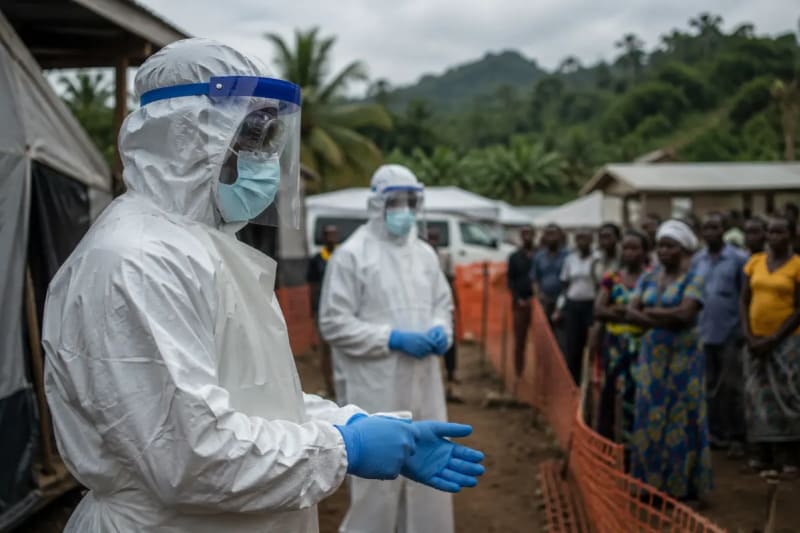
Plateau State health officials confirmed 11 cases of cholera and five fatalities over the weekend, with an additional 53 suspected cases reported in Mangu Local Government. The outbreak emerged in Pushit, Mangu 1, and Mangu 2, communities where access to clean water and sanitation remains limited. Dr Baamlong emphasized that the state is mobilizing resources to prevent further transmission, though challenges persist in reaching remote households.
Why Public Health Officials Are Concerned
Cholera outbreaks are not uncommon in Nigeria, particularly during the rainy season when flooding and poor sanitation create ideal conditions for the Vibrio cholerae bacterium. However, the speed of this outbreak, with five deaths already recorded, has raised concerns about potential underreporting and delayed medical intervention. The World Health Organization classifies cholera as a global threat, with outbreaks capable of overwhelming local health systems if not contained early.
In Plateau State, the situation is compounded by logistical hurdles. Many affected communities lack reliable healthcare infrastructure, forcing residents to travel long distances for treatment. Health workers are now prioritizing oral rehydration therapy and antibiotic distribution, but officials warn that sustained efforts will be needed to curb the spread.
Symptoms or Risk Factors
Cholera symptoms typically appear within 12 hours to five days of infection. Key warning signs include:
- Profuse watery diarrhea, often described as "rice water" stools
- Rapid dehydration, leading to dry mouth, low blood pressure, and lethargy
- Vomiting, which accelerates fluid loss
- Muscle cramps due to electrolyte imbalances
Without prompt treatment, severe dehydration can result in shock or death. High risk groups include children under five, the elderly, and individuals with weakened immune systems. The disease spreads through contaminated water or food, particularly in areas with poor hygiene practices.
Who May Be Affected
The current outbreak is concentrated in rural communities where water sources are often shared and sanitation facilities are inadequate. Residents of Pushit, Mangu 1, and Mangu 2 are at highest risk, but health officials caution that neighboring areas could see cases if preventive measures are not implemented swiftly. Travelers to these regions are also advised to take precautions, including drinking only boiled or bottled water and avoiding raw foods.
Government or WHO Response
Plateau State authorities have activated an emergency response team, deploying medical supplies and personnel to the affected areas. Dr Baamlong stated that the state is working with federal health agencies to secure additional cholera vaccines, though global supply constraints may delay distribution. The Nigeria Centre for Disease Control has not yet issued a nationwide alert but is monitoring the situation closely.
The World Health Organization has previously supported Nigeria in managing cholera outbreaks, including through vaccination campaigns and water sanitation initiatives. However, experts stress that long term solutions require investment in infrastructure, such as piped water systems and waste management facilities, to prevent recurring crises.
Prevention and Safety Guidance
Public health officials urge residents in high risk areas to adopt the following measures:
- Drink only water that has been boiled, treated with chlorine, or purchased from a sealed bottle.
- Wash hands thoroughly with soap and clean water before eating or preparing food, and after using the toilet.
- Avoid raw or undercooked foods, including vegetables and seafood, unless they can be peeled or cooked at home.
- Use latrines or designated sanitation facilities, and ensure waste is disposed of safely to prevent contamination.
- Seek immediate medical attention if symptoms such as severe diarrhea or vomiting develop.
What Readers Should Know
Cholera is preventable and treatable, but its rapid progression demands vigilance. While the current outbreak is localized, the risk of wider transmission remains, particularly in regions with similar sanitation challenges. Residents in Plateau State and surrounding areas should stay informed through official health channels and adhere to safety guidelines. For those traveling to affected regions, carrying oral rehydration salts and water purification tablets can provide an added layer of protection.
Health authorities are expected to release further updates as the situation evolves. In the meantime, community leaders are being encouraged to disseminate accurate information to counter misinformation and ensure that affected individuals seek care promptly.
Key Takeaways
- Plateau State has confirmed 11 cholera cases and 5 deaths, with 53 additional suspected cases under investigation.
- The outbreak is concentrated in Pushit, Mangu 1, and Mangu 2 communities, where poor sanitation and limited healthcare access heighten risks.
- Cholera can kill within hours if untreated, making early intervention critical, particularly for vulnerable groups like children and the elderly.
- Prevention focuses on safe water practices, hand hygiene, and avoiding raw foods in high risk areas.
- State and federal health agencies are mobilizing resources, but long term solutions require improved water and sanitation infrastructure.
Frequently Asked Questions
What is cholera, and how does it spread?
Cholera is an acute diarrheal illness caused by the Vibrio cholerae bacterium. It spreads through contaminated water or food, particularly in areas with poor sanitation and hygiene. The disease can cause severe dehydration and death if not treated promptly.
What are the early signs of cholera infection?
Early symptoms include profuse watery diarrhea, vomiting, and muscle cramps. Dehydration sets in quickly, leading to dry mouth, low blood pressure, and lethargy. Severe cases can result in shock or death within hours.
How can I protect myself and my family from cholera?
Preventive measures include drinking only boiled or bottled water, washing hands with soap and clean water, avoiding raw foods, and using proper sanitation facilities. Oral rehydration salts can help manage mild symptoms, but medical attention should be sought immediately if severe symptoms develop.
Is there a vaccine for cholera?
Yes, oral cholera vaccines are available and have been used in outbreak responses. However, global supply is limited, and vaccination is typically prioritized for high risk populations during outbreaks. Long term prevention relies on improved water and sanitation infrastructure.
What should I do if I suspect someone has cholera?
Seek medical help immediately. While waiting for treatment, provide oral rehydration solution to replace lost fluids. Avoid giving food or drinks that could worsen diarrhea, such as sugary or caffeinated beverages. Keep the person hydrated and monitor for signs of severe dehydration.
Medical Review: MedSense Editorial Board











DISCUSSION (0)
POST A COMMENT