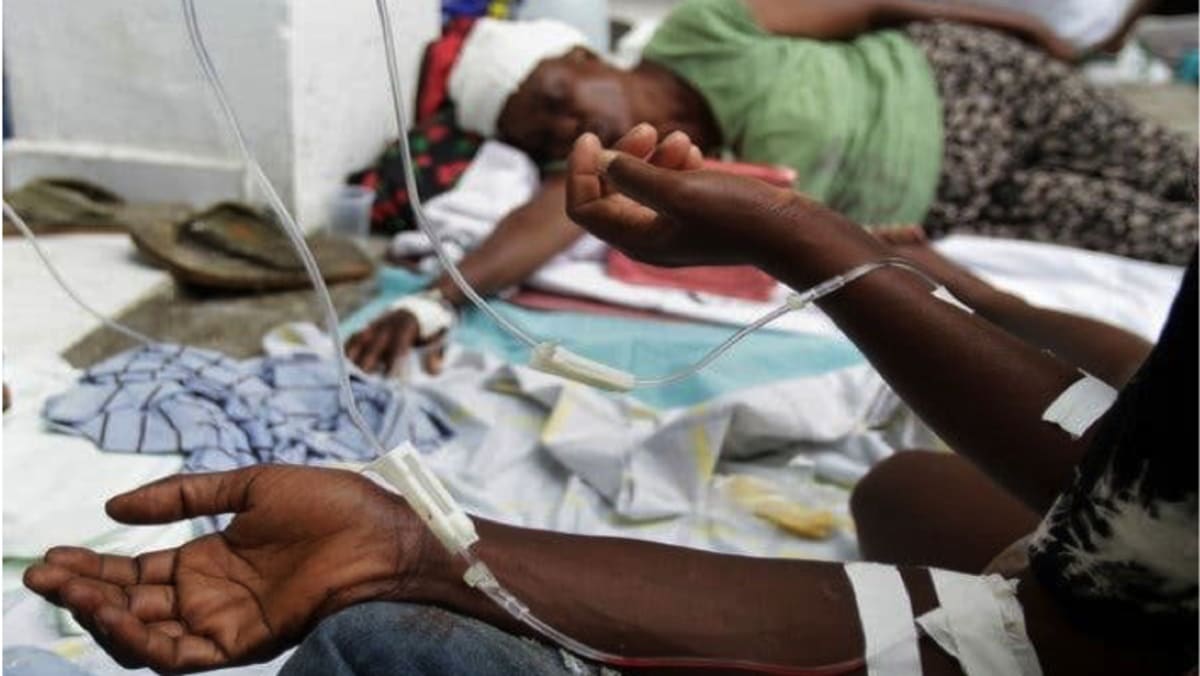
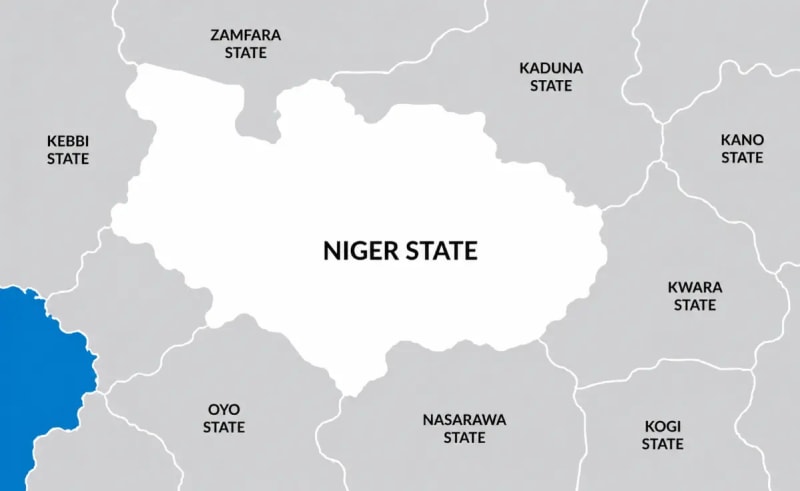
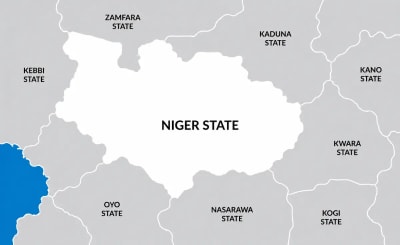
Nigeria’s Borno State is facing a rapidly worsening cholera outbreak, with at least 27 deaths and more than 2,700 suspected cases recorded within the first 24 days of May 2026. Epidemiological data reviewed by MedSense News indicate that transmission has spread across multiple local government areas, while health officials warn that incomplete reporting from treatment centres may mean the true burden is even higher. Public health experts warn the true scale of the outbreak may be significantly underreported, as data from treatment centers remains incomplete. The situation poses a critical challenge in a region already strained by conflict, displacement, and fragile healthcare infrastructure.
What Happened
Borno State health officials have confirmed 27 deaths and 2,715 suspected cholera cases between May 1 and May 24, according to an epidemiological report reviewed by MedSense News. The outbreak spans five local government areas, with new cases surging at an alarming rate. In a single 24 hour period, hundreds of additional suspected infections were recorded, signaling a rapidly deteriorating public health emergency.
The official figures, however, may only scratch the surface. Medical sources indicate that data from several Cholera Treatment Centers and Oral Rehydration Points have not yet been fully integrated into the state’s surveillance system. This lag in reporting raises concerns that the actual number of cases and fatalities could be far higher than currently documented.
Why Public Health Officials Are Concerned
Cholera, a waterborne disease caused by the bacterium Vibrio cholerae, spreads rapidly in areas with poor sanitation and limited access to clean water. In Borno State, decades of insurgency and displacement have left millions living in overcrowded camps or informal settlements, where hygiene infrastructure is often inadequate. These conditions create a perfect storm for cholera transmission, particularly during the rainy season when flooding can contaminate water sources.
The World Health Organization classifies cholera as a global threat, with outbreaks capable of overwhelming even robust health systems. In Borno, the combination of high population density, disrupted healthcare services, and delayed reporting could allow the disease to spiral out of control. Health officials fear that without immediate intervention, the outbreak could spread beyond the state’s borders, affecting neighboring regions already vulnerable to similar crises.
Symptoms or Risk Factors
Cholera is characterized by profuse watery diarrhea, vomiting, and rapid dehydration. In severe cases, it can lead to shock and death within hours if left untreated. Those at highest risk include children under five, the elderly, and individuals with weakened immune systems. The disease is primarily transmitted through contaminated water or food, making hygiene practices such as handwashing and safe water storage critical for prevention.
Who May Be Affected
The outbreak is concentrated in five local government areas of Borno State, where displaced populations and host communities face heightened exposure. Internally displaced persons living in camps or informal settlements are particularly vulnerable due to overcrowding and limited access to sanitation facilities. Healthcare workers on the frontlines are also at risk, as they operate in high exposure environments with constrained resources.
Government or WHO Response
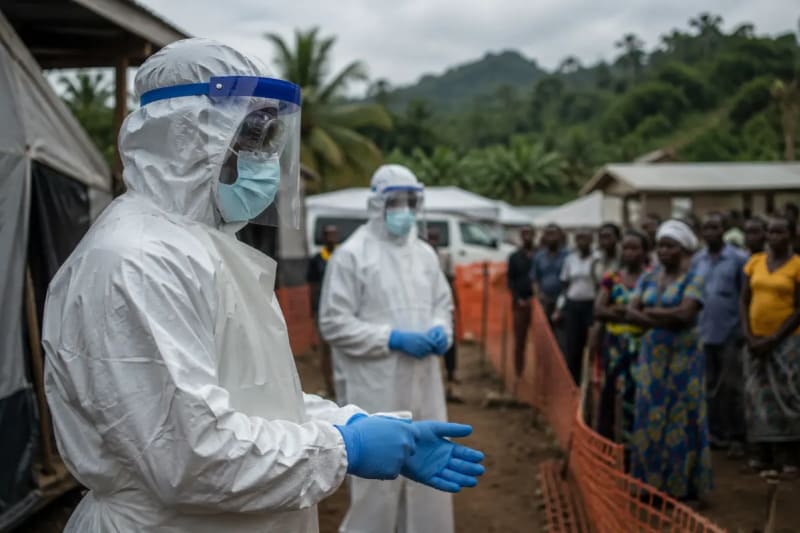
Borno State health authorities, in collaboration with international partners including the World Health Organization and UNICEF, have begun scaling up response efforts. These include the establishment of additional treatment centers, distribution of oral rehydration salts, and chlorination of water sources. However, logistical challenges, including security concerns and damaged infrastructure, continue to hamper the speed and reach of these interventions.
Public health campaigns are underway to educate communities on cholera prevention, emphasizing the importance of boiling water, proper hand hygiene, and safe food handling. Despite these efforts, officials acknowledge that sustained funding and coordination will be essential to contain the outbreak and prevent future resurgences.
Prevention and Safety Guidance
Preventing cholera hinges on access to clean water and proper sanitation. Key measures include:
- Boiling or treating drinking water with chlorine or filtration.
- Washing hands thoroughly with soap and clean water, especially before eating or preparing food.
- Avoiding raw or undercooked food, particularly seafood, and ensuring fruits and vegetables are peeled or cooked.
- Using latrines or toilets and avoiding open defecation to prevent water source contamination.
- Seeking immediate medical attention if symptoms such as severe diarrhea or vomiting develop.
What Readers Should Know
This outbreak underscores the fragility of public health systems in conflict affected regions. While cholera is both preventable and treatable, its rapid spread in Borno highlights the urgent need for investment in water, sanitation, and healthcare infrastructure. For residents in affected areas, vigilance and adherence to hygiene practices are critical to reducing transmission. International support and local coordination will be vital in bringing this crisis under control and preventing further loss of life.
Key Takeaways
- Borno State has reported 27 cholera deaths and 2,715 suspected cases in May alone, with the true toll likely higher due to underreporting.
- The outbreak is driven by poor sanitation, overcrowding, and limited access to clean water, conditions exacerbated by conflict and displacement.
- Cholera is preventable through hygiene measures such as boiling water, handwashing, and safe food handling, but rapid response is critical to saving lives.
Frequently Asked Questions
What is cholera and how does it spread?
Cholera is an acute diarrheal infection caused by ingesting food or water contaminated with the bacterium Vibrio cholerae. It spreads rapidly in areas with inadequate sanitation and hygiene, particularly where clean water is scarce.
What are the symptoms of cholera?
Symptoms include severe watery diarrhea, vomiting, and leg cramps. In severe cases, rapid dehydration can lead to shock and death within hours if untreated.
How can cholera be prevented?
Prevention focuses on access to clean water, proper sanitation, and hygiene practices. Boiling water, washing hands with soap, and avoiding raw or undercooked food are key measures.
Is there a vaccine for cholera?
Yes, oral cholera vaccines exist and are used in outbreak settings. However, vaccination alone is not sufficient; it must be combined with improved water and sanitation to effectively control transmission.
What should I do if I suspect someone has cholera?
Seek immediate medical attention. Oral rehydration solutions can help prevent dehydration, but severe cases require intravenous fluids and antibiotics administered by healthcare professionals.
Medical Review: MedSense Editorial Board













DISCUSSION (0)
POST A COMMENT