
The Centers for Disease Control and Prevention has issued a stark warning about the current Ebola outbreak, revealing models that suggest it could grow to match the catastrophic scale of the 2014 West Africa epidemic if immediate public health measures are not strengthened. That crisis, the deadliest in history, infected more than 28,000 people and claimed over 11,000 lives across multiple countries. With cases now rising in regions with fragile healthcare systems, officials are sounding the alarm on what could become a repeat of one of the most devastating infectious disease emergencies of the modern era. The CDC’s projections underscore the fragile balance between containment and catastrophe in outbreak response. While the virus remains geographically contained for now, gaps in surveillance, healthcare access, and community engagement could allow it to spread unchecked. Unlike 2014, however, global health agencies have new tools at their disposal, vaccines, rapid diagnostics, and hard won lessons from past failures. The question now is whether those resources can be deployed fast enough to avert another humanitarian disaster.
What Happened
The CDC released updated modeling data on Friday indicating that the current Ebola outbreak in Central Africa has the potential to escalate to levels comparable to the 2014 West Africa epidemic. That outbreak, caused by the Zaire ebolavirus strain, became the largest in recorded history, overwhelming healthcare systems in Guinea, Liberia, and Sierra Leone. The CDC’s warning comes as case numbers continue to climb in the Democratic Republic of the Congo and neighboring regions, where conflict, displacement, and weak infrastructure complicate containment efforts.
Why Public Health Officials Are Concerned
Ebola’s high fatality rate, historically between 50% and 90% depending on the strain and care access, makes uncontrolled spread a global health priority. The 2014 epidemic exposed critical vulnerabilities in outbreak response, including delayed international coordination, misinformation, and underfunded local health systems. While the current outbreak involves the same viral strain, officials warn that complacency or delayed action could allow history to repeat itself. The CDC’s models suggest that without robust intervention, case numbers could surge rapidly, particularly in densely populated urban areas where transmission is harder to track.
Another concern is the virus’s potential to cross borders. The DRC shares porous frontiers with nine countries, many of which have limited capacity to detect or respond to Ebola cases. The World Health Organization has already raised the risk level to "very high" for the region, citing the movement of refugees and traders as potential vectors for spread. Unlike COVID 19, Ebola does not transmit through the air, but its spread through bodily fluids and contaminated surfaces makes it highly dangerous in settings with poor infection control.
Symptoms and Risk Factors
Ebola typically begins with sudden fever, fatigue, muscle pain, and sore throat, symptoms easily mistaken for malaria or typhoid. As the disease progresses, patients may develop vomiting, diarrhea, rash, and impaired kidney and liver function. In severe cases, internal and external bleeding can occur, though this is less common than popularly believed. The virus spreads through direct contact with the bodily fluids of infected individuals or contaminated materials, such as bedding or medical equipment.
Healthcare workers and family members caring for the sick are at highest risk, as are those participating in traditional burial practices that involve close contact with the deceased. The incubation period ranges from 2 to 21 days, meaning exposed individuals may not show symptoms immediately but can still transmit the virus once they become ill.
Who May Be Affected
The current outbreak is concentrated in the DRC’s North Kivu province, an area plagued by armed conflict and mass displacement. Over a million people are internally displaced in the region, living in crowded camps with limited access to clean water, sanitation, or healthcare. These conditions create ideal breeding grounds for Ebola and other infectious diseases. Children, the elderly, and those with underlying health conditions are particularly vulnerable to severe outcomes.
Beyond the immediate region, the risk extends to neighboring countries with weak health systems, such as South Sudan, Uganda, and Rwanda. The WHO has warned that cross border transmission is a significant threat, particularly in areas where surveillance is limited. While the global risk remains low, the potential for regional spread demands heightened vigilance from international health agencies and governments.
Government and WHO Response
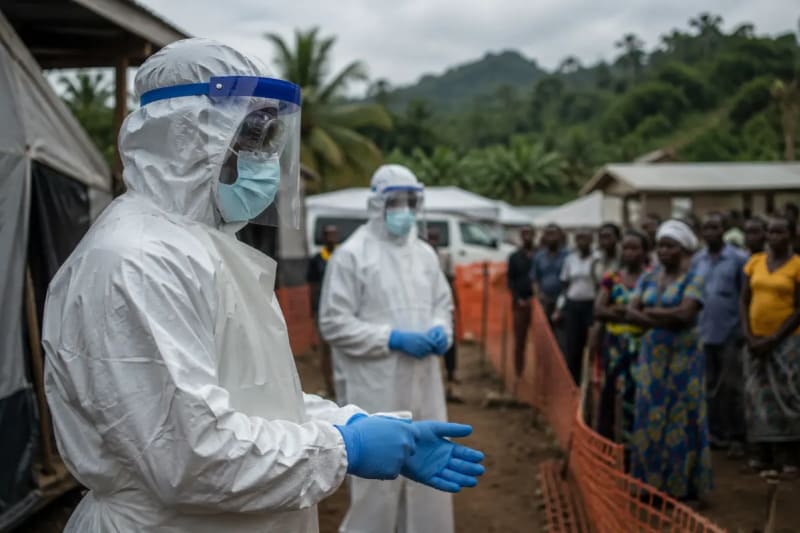
The DRC’s Ministry of Health, in collaboration with the WHO and other partners, has ramped up vaccination campaigns using the Ervebo vaccine, which has shown high efficacy in preventing Ebola infection. Over 100,000 people have been vaccinated in the current outbreak, including frontline workers and contacts of confirmed cases. The WHO has also deployed rapid response teams to support local health authorities in case detection, contact tracing, and safe burial practices.
However, challenges persist. Armed groups in North Kivu have targeted healthcare workers, forcing the suspension of operations in some areas. Misinformation and distrust of authorities have also hampered vaccination efforts, with some communities refusing to participate due to rumors about the vaccine’s safety. The WHO has called for increased security measures to protect health workers and ensure uninterrupted access to affected populations.
Prevention and Safety Guidance
For individuals in outbreak zones, the CDC and WHO recommend the following precautions:
- Avoid contact with blood or bodily fluids of sick individuals, including during caregiving or burial rituals.
- Wash hands frequently with soap and water or use alcohol based hand sanitizer.
- Seek medical care immediately if symptoms such as fever, fatigue, or unexplained bleeding develop.
- Healthcare workers should use personal protective equipment (PPE) when treating patients and follow strict infection control protocols.
- Travelers to affected regions should monitor their health for 21 days after returning and report any symptoms to a healthcare provider.
For governments and health agencies, the priority is strengthening surveillance, ensuring vaccine access, and engaging communities to build trust. The CDC has emphasized that early intervention is critical to preventing the outbreak from spiraling out of control. "The window to act is now," a spokesperson stated. "Every day of delay increases the risk of a larger crisis."
What Readers Should Know
While the prospect of another large scale Ebola outbreak is alarming, it is not inevitable. The tools to stop this virus exist, vaccines, rapid diagnostics, and proven public health strategies, but they must be deployed effectively and equitably. The 2014 epidemic taught the world that outbreaks do not respect borders, and that underestimating a pathogen’s potential can have devastating consequences. For those in affected regions, awareness and adherence to safety measures can save lives. For the global community, this is a reminder that pandemic preparedness is not a one time effort but an ongoing responsibility.
The CDC’s warning is not a prediction of doom but a call to action. The difference between a contained outbreak and a full blown crisis often comes down to resources, coordination, and political will. With the right steps, this outbreak can be stopped before it reaches the scale of 2014. The question is whether the world will act in time.
Key Takeaways
- The CDC’s models suggest the current Ebola outbreak could escalate to the scale of the 2014 West Africa epidemic, which killed over 11,000 people, without urgent intervention.
- Fragile healthcare systems, conflict, and displacement in the DRC are exacerbating the risk of uncontrolled spread, particularly in densely populated or hard to reach areas.
- Vaccines and rapid response tools exist to contain the outbreak, but their success depends on timely deployment, community trust, and international support.
- Individuals in affected regions should avoid contact with bodily fluids, practice hand hygiene, and seek medical care immediately if symptoms develop.
- Global health agencies are calling for increased surveillance, vaccination campaigns, and security measures to protect healthcare workers and prevent cross border transmission.
Frequently Asked Questions
How does Ebola spread?
Ebola spreads through direct contact with the bodily fluids of infected individuals, such as blood, vomit, or sweat. It can also spread through contact with contaminated surfaces or objects, like needles or bedding. Unlike respiratory viruses, Ebola does not spread through the air.
What are the early symptoms of Ebola?
Early symptoms include sudden fever, fatigue, muscle pain, headache, and sore throat. These can be mistaken for other illnesses like malaria or typhoid. As the disease progresses, symptoms may include vomiting, diarrhea, rash, and in severe cases, internal or external bleeding.
Is there a vaccine for Ebola?
Yes, the Ervebo vaccine has been approved for use against the Zaire ebolavirus strain, which is responsible for the current outbreak. It has shown high efficacy in preventing infection and is being used to vaccinate frontline workers and contacts of confirmed cases.
Why is the DRC particularly vulnerable to Ebola outbreaks?
The DRC faces multiple challenges, including armed conflict, mass displacement, weak healthcare infrastructure, and low public trust in authorities. These factors make it difficult to implement effective surveillance, vaccination campaigns, and community engagement efforts.
What can travelers do to protect themselves?
Travelers to affected regions should avoid contact with sick individuals, practice frequent hand hygiene, and monitor their health for 21 days after returning. If symptoms develop, they should seek medical care immediately and inform their healthcare provider of their travel history.
Medical Review: MedSense Editorial Board












DISCUSSION (0)
POST A COMMENT