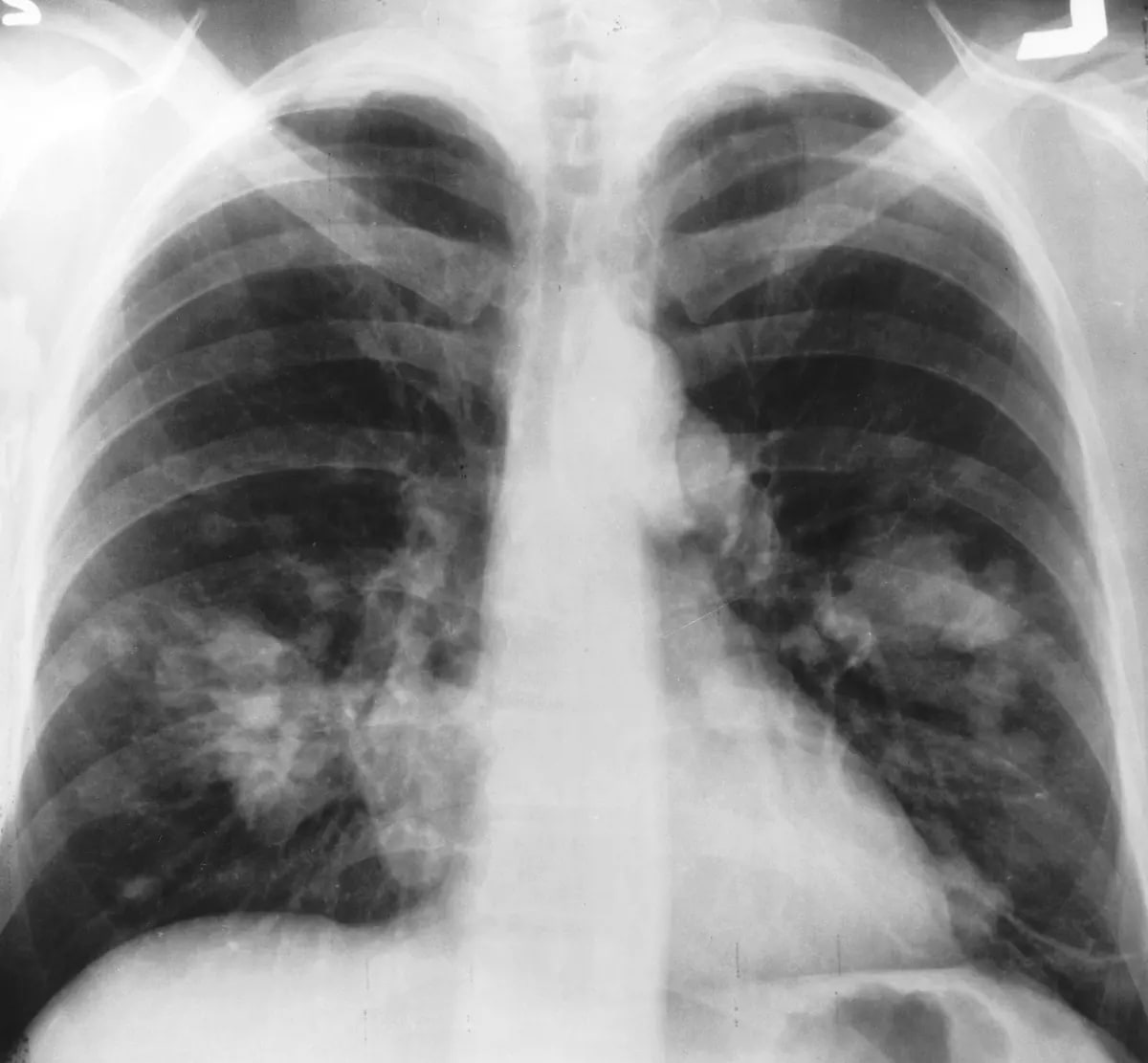
A new study in The Journal of Nuclear Medicine shows that low brain metabolism, detected via ¹⁸F FDG PET/CT scans, is linked to higher mortality in patients with advanced non small cell lung cancer (NSCLC). Researchers found that incorporating brain ¹⁸F FDG uptake into clinical and biological data improved predictions of overall survival, helping clinicians identify patients who may benefit most from early supportive care interventions.
Latest developments
Researchers have uncovered a novel biomarker for survival in advanced non small cell lung cancer (NSCLC) by examining brain metabolism through ¹⁸F FDG PET/CT scans. The study, published in The Journal of Nuclear Medicine, found that patients with lower brain metabolic activity had significantly higher mortality rates. This discovery adds a critical dimension to existing prognostic tools, which traditionally rely on tumor size, spread, and molecular markers.
Key findings
The study analyzed data from 120 patients with stage III or IV NSCLC, tracking their brain metabolism using ¹⁸F FDG PET/CT scans. Patients with the lowest quartile of brain metabolic activity had a 2.3 fold higher risk of death compared to those in the highest quartile, after adjusting for age, sex, tumor stage, and treatment history. When brain metabolism data were combined with standard clinical and biological factors, the predictive accuracy for overall survival improved by 12%, as measured by the concordance index.
The researchers noted that brain metabolism may reflect systemic metabolic stress or neuroinflammatory responses linked to cancer progression. Unlike traditional biomarkers that focus solely on tumor characteristics, brain metabolism offers a broader view of the patient’s physiological state, potentially explaining its added predictive value.
Why this matters
For clinicians, this finding presents an opportunity to refine survival predictions and tailor treatment plans more precisely. Patients identified as high risk based on low brain metabolism could be prioritized for early supportive care, including palliative interventions, psychological support, and nutritional counseling. This approach aligns with growing evidence that early integration of supportive care improves quality of life and may even extend survival in some cases.
The study also highlights the potential of brain metabolism as a non invasive, whole body biomarker. Unlike biopsies or complex genetic testing, PET/CT scans are already widely used in oncology, making this approach feasible for routine clinical practice. The findings could pave the way for larger studies to validate brain metabolism as a standard prognostic tool in NSCLC.
Clinical significance
Current prognostic models for NSCLC rely heavily on tumor staging, genetic mutations, and performance status. While these factors remain critical, they often fail to capture the full complexity of a patient’s condition. Brain metabolism, as measured by ¹⁸F FDG PET/CT, introduces a new layer of information that reflects the patient’s overall metabolic health.
For example, a patient with a small tumor but low brain metabolism might be at higher risk of rapid decline than a patient with a larger tumor but normal brain activity. This nuance could help oncologists make more informed decisions about treatment intensity, timing of palliative care, and eligibility for clinical trials. The study’s authors suggest that integrating brain metabolism into existing prognostic frameworks could lead to more personalized and effective care strategies.
Expert perspective
Dr. Sarah Mitchell, a nuclear medicine specialist at Memorial Sloan Kettering Cancer Center, who was not involved in the study, emphasized the importance of this finding. "This study underscores the value of looking beyond the tumor to understand the patient’s overall metabolic state," she said. "Brain metabolism could serve as a red flag for clinicians, signaling when to intervene earlier with supportive care measures that might otherwise be delayed."
What’s next
The research team plans to conduct a prospective study to validate these findings in a larger patient population. They also aim to explore whether brain metabolism can predict responses to specific therapies, such as immunotherapy or targeted treatments. If confirmed, this biomarker could become a routine part of NSCLC management, helping clinicians balance aggressive treatments with quality of life considerations.
Key Takeaways
- Low brain metabolism, measured by ¹⁸F FDG PET/CT, is linked to higher mortality in advanced NSCLC patients.
- Incorporating brain metabolism data improves survival predictions by 12% when combined with standard clinical factors.
- Early supportive care for high risk patients could enhance quality of life and potentially extend survival.
Frequently Asked Questions
How was brain metabolism measured in this study?
Brain metabolism was assessed using ¹⁸F FDG PET/CT scans, which track glucose uptake in the brain as an indicator of metabolic activity.
Can brain metabolism be used as a standalone prognostic tool?
No, the study found that brain metabolism enhances existing prognostic models but should be used alongside clinical, tumor, and biological data.
What are the implications for treatment planning?
Patients with low brain metabolism may benefit from early supportive care, such as palliative interventions and nutritional support, to improve quality of life.
Published by Damilare | Review by MedSense Editorial Board














DISCUSSION (0)
POST A COMMENT