What Happened
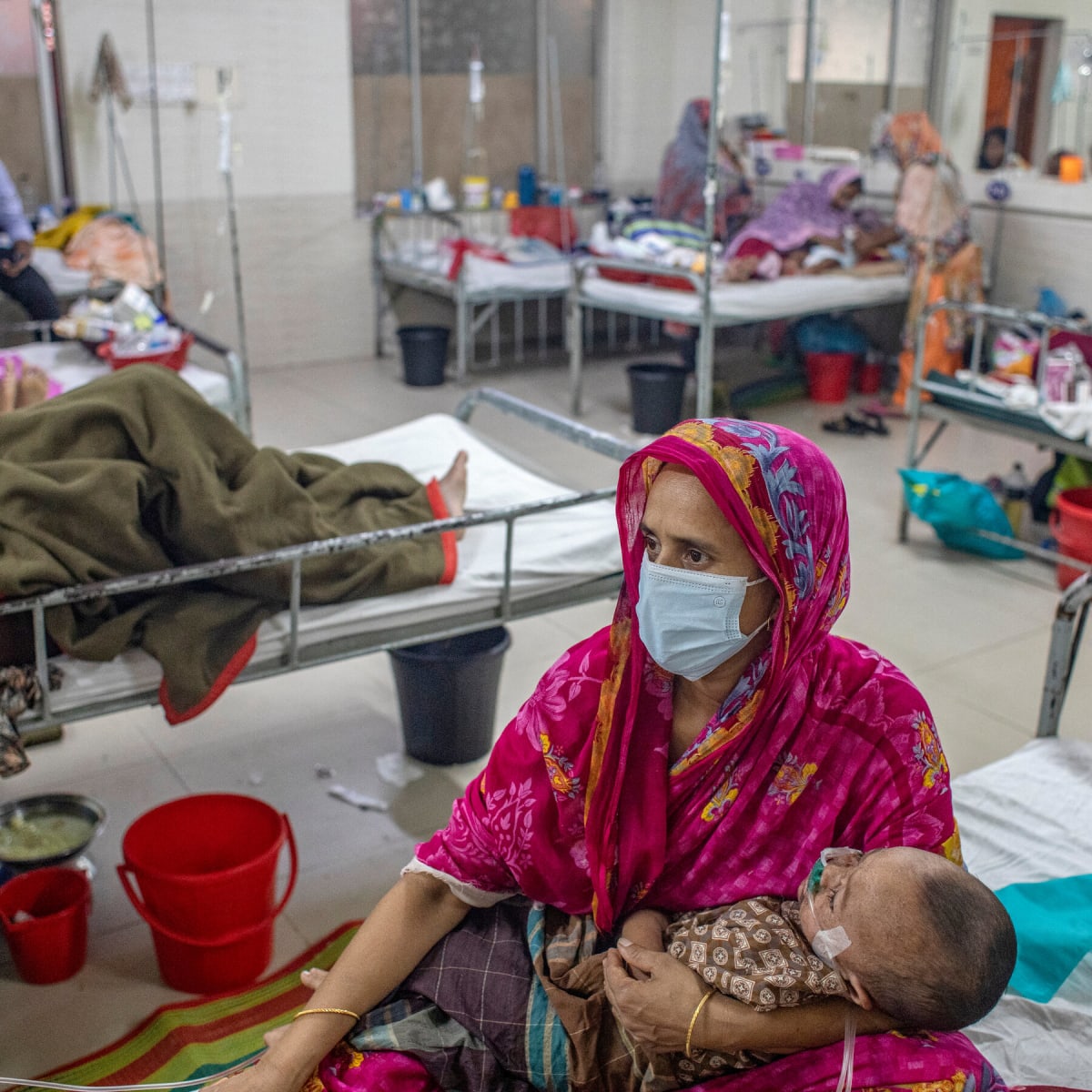
The measles outbreak in Bangladesh has escalated into a full blown public health crisis, with health officials confirming over 8,000 cases and tracking nearly 60,000 suspected infections. The surge began in early 2024, with cases reported in all 64 districts, though the most severe clusters are concentrated in urban slums and rural areas with limited access to healthcare. The outbreak has already resulted in dozens of hospitalizations and several deaths, primarily among unvaccinated children under the age of five. The rapid spread has strained local health facilities, with reports of overcrowded pediatric wards and shortages of essential medicines.
Why Public Health Officials Are Concerned
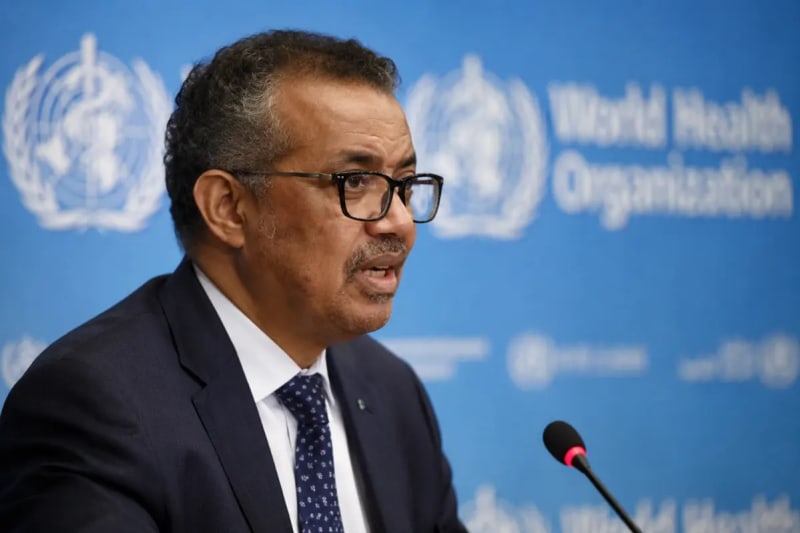
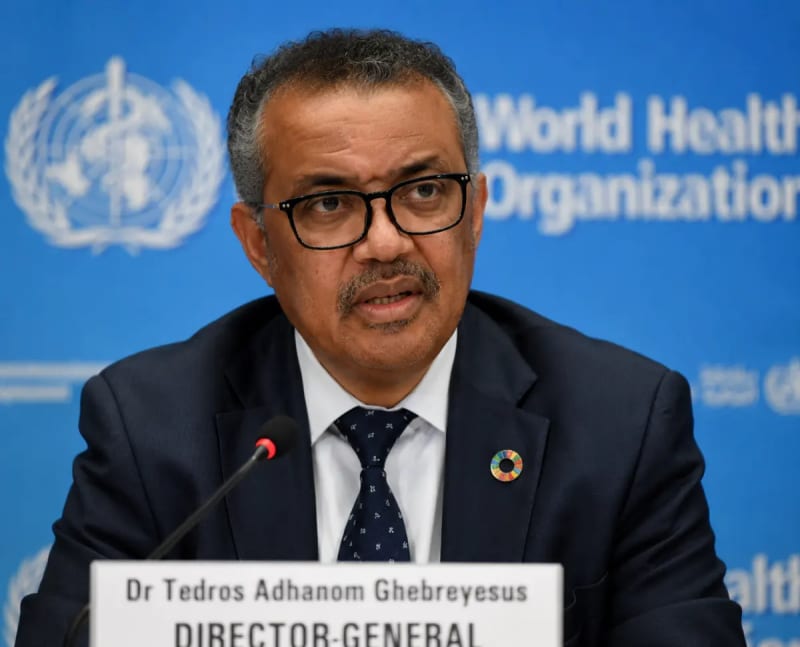
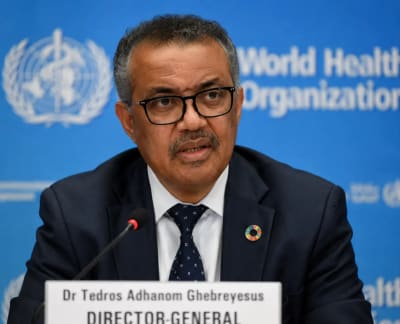
Measles is one of the most contagious diseases known to science, with a single infected person capable of transmitting the virus to up to 18 others in unvaccinated populations. The current outbreak in Bangladesh is particularly alarming due to its scale and the high proportion of cases occurring in children who missed routine vaccinations during the COVID 19 pandemic. Public health officials cite several contributing factors, including vaccine hesitancy, misinformation campaigns, and logistical challenges in reaching remote communities. The World Health Organization (WHO) has classified the outbreak as a Grade 2 emergency, signaling the need for an urgent and coordinated international response.
Symptoms or Risk Factors
Measles typically begins with a high fever, cough, runny nose, and red, watery eyes, followed by a rash that spreads from the face to the rest of the body. Complications can be severe and include pneumonia, encephalitis, and death, particularly in children under five and adults over 20. Infants too young to be vaccinated and individuals with weakened immune systems are at the highest risk. The virus spreads through respiratory droplets, making crowded or poorly ventilated spaces particularly high risk environments. Health authorities emphasize that vaccination remains the only effective way to prevent infection and severe outcomes.
Who May Be Affected
The outbreak disproportionately impacts children under five, who account for the majority of confirmed cases. However, unvaccinated adolescents and adults are also at significant risk, as are migrant populations and communities with low immunization coverage. Health officials note that the outbreak has exposed systemic inequities in healthcare access, with rural and marginalized groups facing the highest burden of disease. The crisis has also placed a heavy toll on healthcare workers, who are working around the clock to contain the spread while managing limited resources.
Government or WHO Response
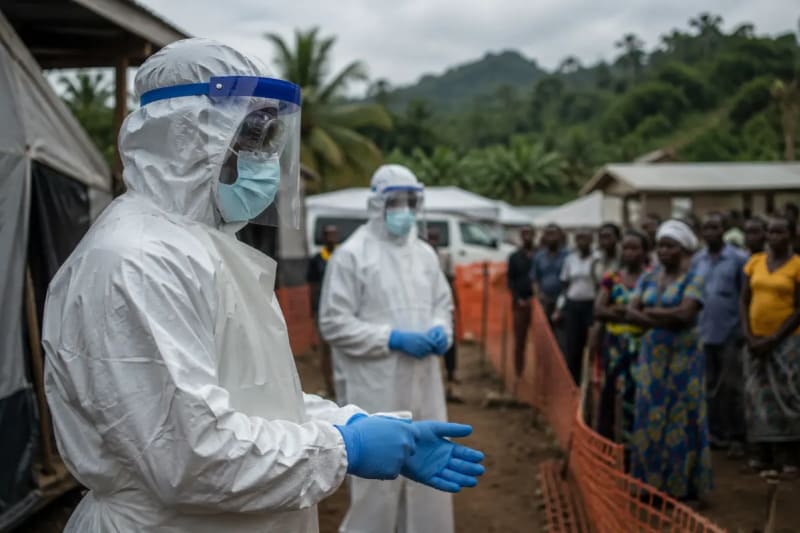
In response to the outbreak, the Bangladesh government has launched a nationwide emergency vaccination campaign, aiming to immunize over 24 million children under five within the next six months. The campaign is supported by the WHO, UNICEF, and other global health partners, who have deployed additional vaccines, medical supplies, and personnel to high risk areas. The government has also intensified surveillance efforts, including rapid response teams to investigate and contain new clusters. International aid organizations are providing critical funding and logistical support, but health experts warn that sustained funding and long term immunization strategies will be essential to prevent future outbreaks.
Prevention and Safety Guidance
Public health authorities urge parents and caregivers to ensure children receive the two recommended doses of the measles mumps rubella (MMR) vaccine, with the first dose administered at 12 months and the second at 4 6 years. Adults who are unsure of their vaccination status should consult their healthcare providers to determine if they need a booster. To reduce transmission risks, individuals with measles symptoms should isolate immediately and seek medical attention. Communities are advised to practice good hygiene, avoid crowded spaces during outbreaks, and support vaccination efforts by spreading accurate information and dispelling myths about vaccines. Travelers to affected areas should verify their vaccination status before departure.
What Readers Should Know
Measles is a preventable disease, yet it continues to claim lives and disrupt communities due to gaps in immunization coverage. The current outbreak in Bangladesh serves as a stark reminder of the consequences of vaccine preventable diseases, particularly in low resource settings. While the emergency response is critical, addressing the root causes of the outbreak, such as vaccine hesitancy and healthcare access, will require sustained investment and collaboration between governments, international organizations, and local communities. For readers in other countries, the outbreak underscores the importance of maintaining high vaccination rates to prevent measles from gaining a foothold in their own communities.
Key Takeaways
- Bangladesh is experiencing one of its largest measles outbreaks in years, with over 8,000 confirmed cases and nearly 60,000 suspected infections.
- The outbreak highlights gaps in immunization coverage, exacerbated by pandemic disruptions and socioeconomic barriers.
- Measles is highly contagious and can lead to severe complications, particularly in young children and unvaccinated individuals.
- An emergency vaccination campaign is underway, targeting over 24 million children under five.
- Public health officials urge vaccination, isolation of infected individuals, and community support to contain the spread.
Frequently Asked Questions
How contagious is measles?
Measles is one of the most contagious diseases known, with a single infected person capable of transmitting the virus to up to 18 others in unvaccinated populations.
What are the symptoms of measles?
Measles typically begins with a high fever, cough, runny nose, and red, watery eyes, followed by a rash that spreads from the face to the rest of the body.
Who is most at risk during this outbreak?
Children under five, unvaccinated adolescents and adults, infants too young to be vaccinated, and individuals with weakened immune systems are at the highest risk.
What is being done to contain the outbreak?
The Bangladesh government, in collaboration with the WHO and UNICEF, has launched an emergency vaccination campaign targeting over 24 million children under five. Surveillance and rapid response teams are also being deployed to high risk areas.
How can I protect myself or my family from measles?
Ensure all family members are up to date on the MMR vaccine. If you are unsure of your vaccination status, consult your healthcare provider. Practice good hygiene, avoid crowded spaces during outbreaks, and isolate if you develop symptoms.
Medical Review: MedSense Editorial Board










DISCUSSION (0)
POST A COMMENT