African nations have mobilized nearly half a billion dollars in emergency funding to combat a deadly resurgence of the Ebola virus, as health officials race to contain the outbreak before it spreads further. The $498.8 million in pledges and commitments arrives as the death toll reaches 220, underscoring the urgency of reinforcing surveillance, treatment, and prevention measures across high risk regions. While the funds offer a critical lifeline, public health experts warn that sustained coordination and rapid deployment will determine whether the outbreak can be controlled or risks escalating into a broader crisis.
What Happened
A coalition of African governments, international donors, and global health organizations has secured $498.8 million in financial commitments to strengthen the response to the ongoing Bundibugyo Ebola virus outbreak. The funds will support emergency medical teams, laboratory capacity, contact tracing, and community engagement efforts in affected and at risk countries. The announcement comes as the death toll from the outbreak reaches 220, with cases reported in multiple regions.
Why Public Health Officials Are Concerned
The Bundibugyo strain of Ebola, while less deadly than the Zaire strain responsible for the 2014 2016 West Africa epidemic, remains a formidable threat. Its ability to spread through bodily fluids, coupled with challenges in early detection and healthcare infrastructure gaps in some regions, creates a high risk environment for further transmission. Public health officials emphasize that delays in funding or response efforts could allow the virus to gain a foothold in densely populated urban areas, complicating containment efforts.
Symptoms and Risk Factors
Ebola virus disease typically presents with sudden fever, fatigue, muscle pain, headache, and sore throat, followed by vomiting, diarrhea, rash, and in severe cases, internal and external bleeding. The virus spreads through direct contact with the bodily fluids of infected individuals or contaminated surfaces. Healthcare workers, family members caring for the sick, and those handling the bodies of deceased victims are at highest risk of infection.
Who May Be Affected
The current outbreak disproportionately impacts communities with limited access to healthcare, where traditional burial practices or delayed medical intervention can accelerate transmission. Frontline health workers, including doctors, nurses, and laboratory technicians, are also at elevated risk due to repeated exposure. Travelers to or from affected regions may unknowingly carry the virus across borders, necessitating heightened screening at ports of entry.
Government and WHO Response
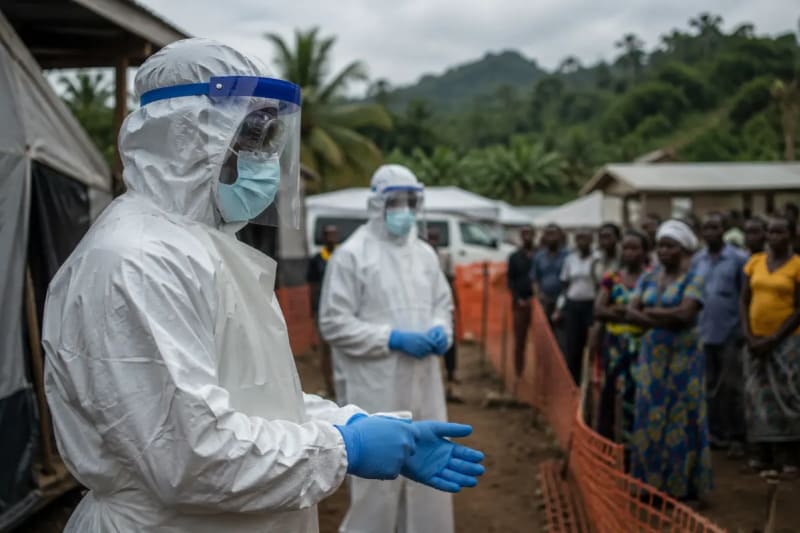
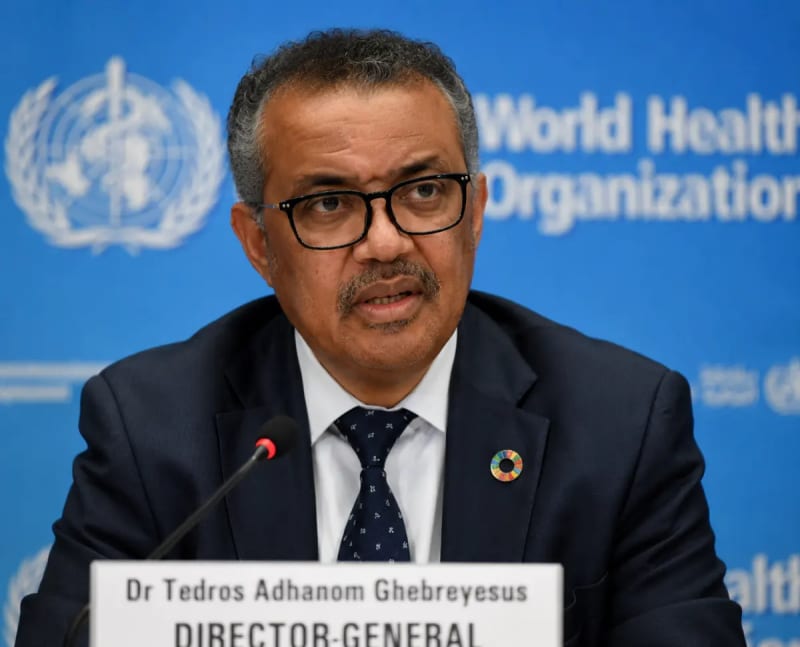
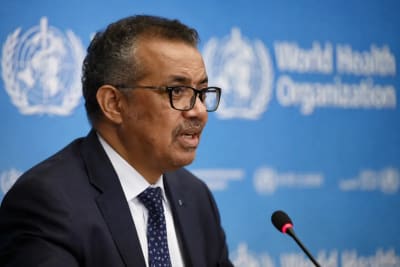
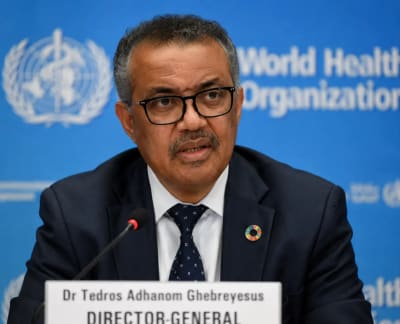
The World Health Organization (WHO) has activated its emergency response framework, deploying experts to support local health authorities in surveillance, case management, and risk communication. National governments in affected countries have implemented movement restrictions in hotspot areas, established isolation centers, and launched public awareness campaigns to educate communities on prevention. The $498.8 million in pledges will be allocated to these efforts, with a focus on strengthening laboratory networks and ensuring the availability of personal protective equipment (PPE) for healthcare workers.
Prevention and Safety Guidance
Preventing Ebola transmission relies on a combination of individual and community level measures. Key strategies include:
- Avoiding direct contact with the bodily fluids of infected individuals or those who have died from the virus.
- Practicing rigorous hand hygiene with soap and water or alcohol based sanitizers.
- Following safe burial practices, including the use of trained teams to handle deceased victims.
- Seeking immediate medical attention if symptoms develop, particularly after exposure to confirmed cases.
- Healthcare workers should adhere to strict infection control protocols, including the use of PPE.
What Readers Should Know
While the $498.8 million in funding marks a significant step forward, the success of the response hinges on how quickly and effectively these resources are deployed. Communities in affected regions should stay informed through official health channels and report any suspected cases to local authorities. Travelers to outbreak zones should monitor advisories from the WHO and their national health agencies. The global health community remains on high alert, as the trajectory of the outbreak will depend on the speed of intervention and the resilience of local healthcare systems.
Key Takeaways
- Africa has secured $498.8 million in emergency funding to combat the Bundibugyo Ebola virus outbreak, which has claimed 220 lives.
- The virus spreads through bodily fluids, posing high risks to healthcare workers and communities with limited medical access.
- Prevention relies on infection control, safe burial practices, and rapid medical intervention for suspected cases.
- The WHO and national governments are scaling up surveillance, treatment, and public awareness efforts to contain the outbreak.
Frequently Asked Questions
What is the Bundibugyo Ebola virus?
The Bundibugyo strain is one of several types of Ebola virus. It causes severe illness with symptoms including fever, fatigue, and bleeding, though it is generally less deadly than the Zaire strain. Like other Ebola viruses, it spreads through direct contact with bodily fluids.
How does this outbreak compare to previous Ebola epidemics?
While smaller in scale than the 2014 2016 West Africa epidemic, this outbreak presents unique challenges due to its spread across multiple regions and potential for rapid escalation if containment efforts falter. The death toll currently stands at 220.
What can travelers do to protect themselves?
Travelers to affected regions should avoid contact with sick individuals, practice frequent hand hygiene, and follow local health advisories. Those returning from outbreak zones should monitor their health for 21 days and seek medical attention if symptoms develop.
How will the $498.8 million in funding be used?
The funds will support emergency medical teams, laboratory capacity, contact tracing, community education, and the procurement of personal protective equipment for healthcare workers. A portion will also be allocated to strengthening healthcare infrastructure in high risk areas.
Medical Review: MedSense Editorial Board











DISCUSSION (0)
POST A COMMENT