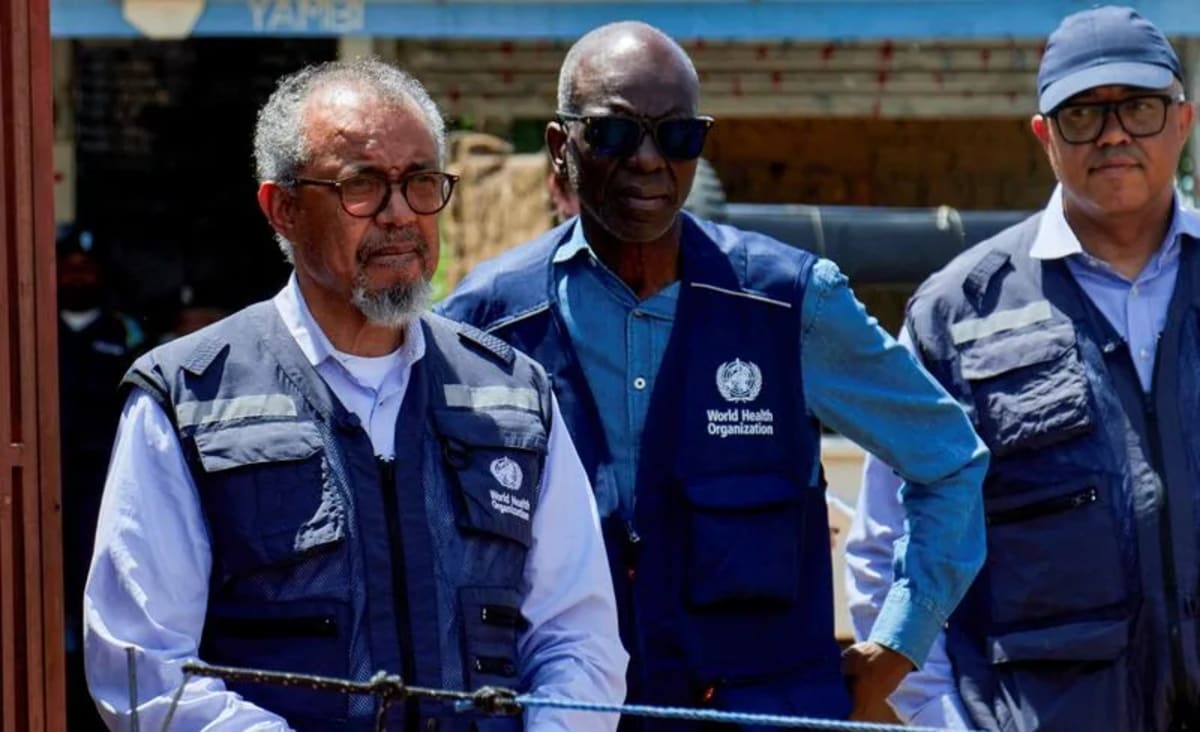
In a coordinated effort to curb the escalating Ebola outbreak, the Africa Centres for Disease Control and Prevention (Africa CDC) and the World Health Organization (WHO) have unveiled a sweeping $518 million response plan. The initiative targets the Bundibugyo strain of the Ebola virus, which has already demonstrated its capacity to cross borders and overwhelm fragile healthcare systems. With cases reported in multiple African nations, public health officials warn that swift, unified action is critical to prevent a repeat of the devastating 2014 2016 West Africa epidemic, which claimed over 11,000 lives. The joint plan prioritizes rapid detection, containment, and treatment, with a strong emphasis on strengthening surveillance and healthcare infrastructure across the continent. Funding will support everything from laboratory diagnostics to community engagement, ensuring that frontline workers and vulnerable populations receive the resources they need. Yet, with the virus already testing the limits of regional preparedness, the success of the plan hinges on timely financial commitments from global partners and governments.
What Happened
The Africa CDC and WHO officially launched a joint continental response plan to address the ongoing Ebola outbreak caused by the Bundibugyo virus. The $518 million strategy is designed to bolster preparedness, enhance early detection, and mount a rapid response across African nations at risk. The plan was announced amid growing concerns that the outbreak could spiral into a broader regional crisis if left unchecked.
The Bundibugyo strain, first identified in Uganda in 2007, is one of six known species of the Ebola virus. While less deadly than the Zaire strain responsible for the 2014 2016 epidemic, it remains a formidable public health threat due to its ability to spread undetected in communities with limited healthcare access. The current outbreak has already surfaced in areas with porous borders, increasing the risk of cross country transmission.
Why Public Health Officials Are Concerned
Ebola outbreaks in Africa have historically exposed critical gaps in healthcare infrastructure, particularly in rural and conflict affected regions. The Bundibugyo virus, though less lethal than its counterparts, presents unique challenges. Its symptoms can mimic those of malaria or typhoid, leading to delayed diagnoses and allowing the virus to gain a foothold before containment measures can be implemented.
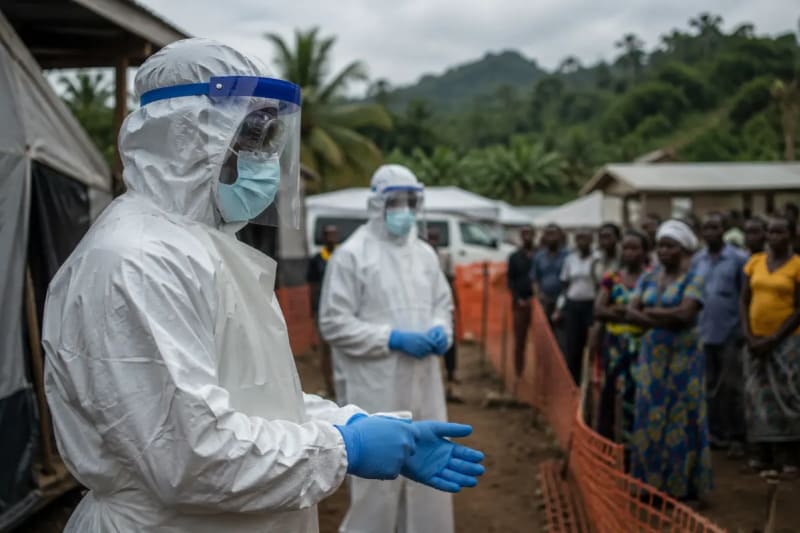
Public health experts warn that the current outbreak could strain already overburdened health systems. Many African nations lack the laboratory capacity to quickly confirm cases, and healthcare workers often operate without adequate protective equipment. The $518 million plan seeks to address these vulnerabilities by funding training programs, expanding diagnostic capabilities, and ensuring the availability of personal protective equipment (PPE) for frontline responders.
Who May Be Affected
The primary populations at risk include healthcare workers, families of infected individuals, and communities in close contact with wildlife reservoirs of the virus. Ebola spreads through direct contact with bodily fluids, making caregivers and burial teams particularly vulnerable. Rural communities, where traditional burial practices may involve washing or touching the deceased, are also at heightened risk.
Countries with weak surveillance systems or ongoing conflict face the greatest threat. The Africa CDC and WHO have identified several high risk nations, including those sharing borders with current outbreak zones. Travelers to and from affected regions may also unknowingly carry the virus, underscoring the need for robust screening at airports and border crossings.
Government and WHO Response
The joint response plan outlines a multi pronged approach to contain the outbreak. Key components include:
- Surveillance and Early Detection: Expanding laboratory networks to enable rapid testing and confirmation of cases, reducing the time between symptom onset and isolation.
- Healthcare Worker Training: Equipping medical staff with the skills and resources to safely manage Ebola cases, including the use of PPE and infection control protocols.
- Community Engagement: Partnering with local leaders to educate communities about Ebola transmission, symptoms, and safe burial practices.
- Vaccination Campaigns: Deploying experimental vaccines, such as the Ervebo vaccine, which has shown promise in preventing infection with other Ebola strains.
- Cross Border Coordination: Establishing regional task forces to monitor and respond to cases that may spill over into neighboring countries.
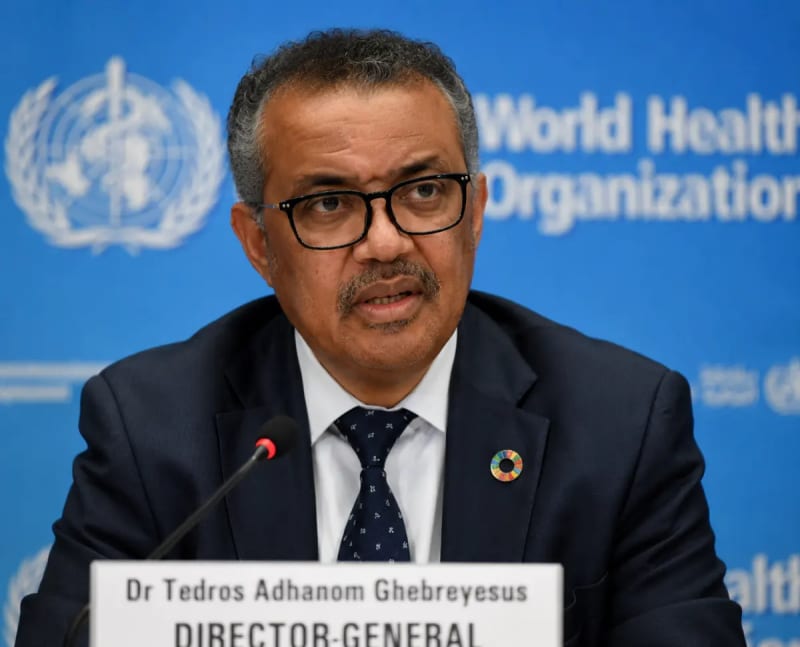
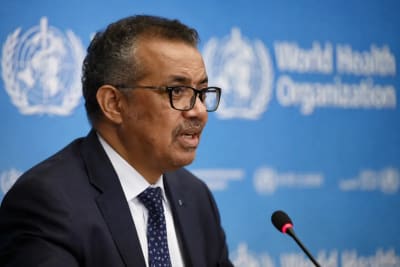
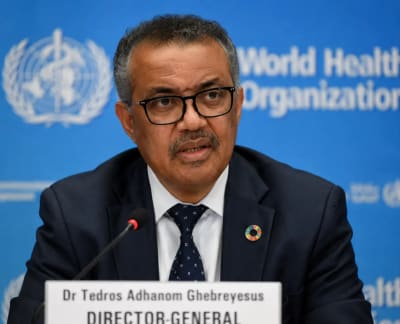
The WHO has also activated its Emergency Response Framework, which includes deploying experts to affected areas and coordinating with global partners to secure funding. The Africa CDC, meanwhile, is leveraging its network of regional collaborating centers to ensure a unified response across the continent.
Prevention and Safety Guidance
For individuals in or traveling to affected regions, public health officials recommend the following precautions:
- Avoid direct contact with bodily fluids of infected individuals, including blood, saliva, and sweat.
- Practice rigorous hand hygiene, using soap and water or alcohol based hand sanitizers.
- Refrain from handling or consuming bushmeat, which may carry the virus from wildlife reservoirs.
- Follow safe burial practices, avoiding physical contact with the deceased if Ebola is suspected.
- Seek medical attention immediately if symptoms such as fever, fatigue, muscle pain, or unexplained bleeding develop.
Healthcare workers are advised to adhere to strict infection control measures, including the use of PPE, isolation of suspected cases, and proper disposal of contaminated materials.
What Readers Should Know
The launch of the $518 million response plan marks a critical step in containing the Bundibugyo Ebola outbreak, but its success depends on swift action from the global community. While the plan provides a roadmap for containment, delays in funding or implementation could allow the virus to spread unchecked, with devastating consequences for public health and regional stability.
For those in affected regions, staying informed and adhering to public health guidance is essential. Ebola is not an airborne virus, and transmission can be prevented through basic precautions. However, complacency could have dire consequences, particularly in areas with limited healthcare resources.
The Africa CDC and WHO have emphasized that this outbreak is a test of the continent's preparedness for emerging infectious diseases. How nations respond in the coming weeks will determine whether the Bundibugyo virus remains a localized threat or escalates into a broader crisis.
Key Takeaways
- The Africa CDC and WHO have launched a $518 million joint response plan to combat the Ebola outbreak caused by the Bundibugyo virus, focusing on rapid detection, containment, and healthcare strengthening.
- The Bundibugyo strain, while less deadly than other Ebola species, poses significant risks due to delayed diagnosis and cross border spread in regions with weak healthcare infrastructure.
- High risk groups include healthcare workers, families of infected individuals, and communities in rural or conflict affected areas with limited access to medical resources.
- The response plan prioritizes surveillance, healthcare worker training, community engagement, vaccination campaigns, and cross border coordination to prevent a regional crisis.
- Prevention measures include avoiding contact with bodily fluids, practicing hand hygiene, and following safe burial practices to reduce transmission risks.
Frequently Asked Questions
What is the Bundibugyo virus, and how does it differ from other Ebola strains?
The Bundibugyo virus is one of six known species of the Ebola virus. It was first identified in Uganda in 2007 and is generally less deadly than the Zaire strain, which caused the 2014 2016 West Africa epidemic. However, it can still cause severe illness and spreads through direct contact with bodily fluids of infected individuals.
Why is the $518 million response plan necessary?
The plan is designed to address critical gaps in healthcare infrastructure, such as limited laboratory capacity, insufficient protective equipment for healthcare workers, and weak surveillance systems. Without adequate funding, the outbreak could spread rapidly, overwhelming health systems and leading to higher mortality rates.
Who is most at risk during this Ebola outbreak?
Healthcare workers, families of infected individuals, and communities in close contact with wildlife reservoirs are at the highest risk. Rural and conflict affected regions with limited healthcare access are particularly vulnerable due to delayed diagnoses and inadequate resources for containment.
What precautions can individuals take to protect themselves?
Individuals should avoid direct contact with bodily fluids of infected people, practice rigorous hand hygiene, refrain from handling bushmeat, and follow safe burial practices. If symptoms such as fever, fatigue, or unexplained bleeding develop, seek medical attention immediately.
How effective are Ebola vaccines against the Bundibugyo strain?
While vaccines like Ervebo have shown effectiveness against other Ebola strains, their efficacy against the Bundibugyo virus is still under evaluation. However, vaccination campaigns remain a key component of the response plan to protect high risk groups and contain the outbreak.
Medical Review: MedSense Editorial Board











DISCUSSION (0)
POST A COMMENT