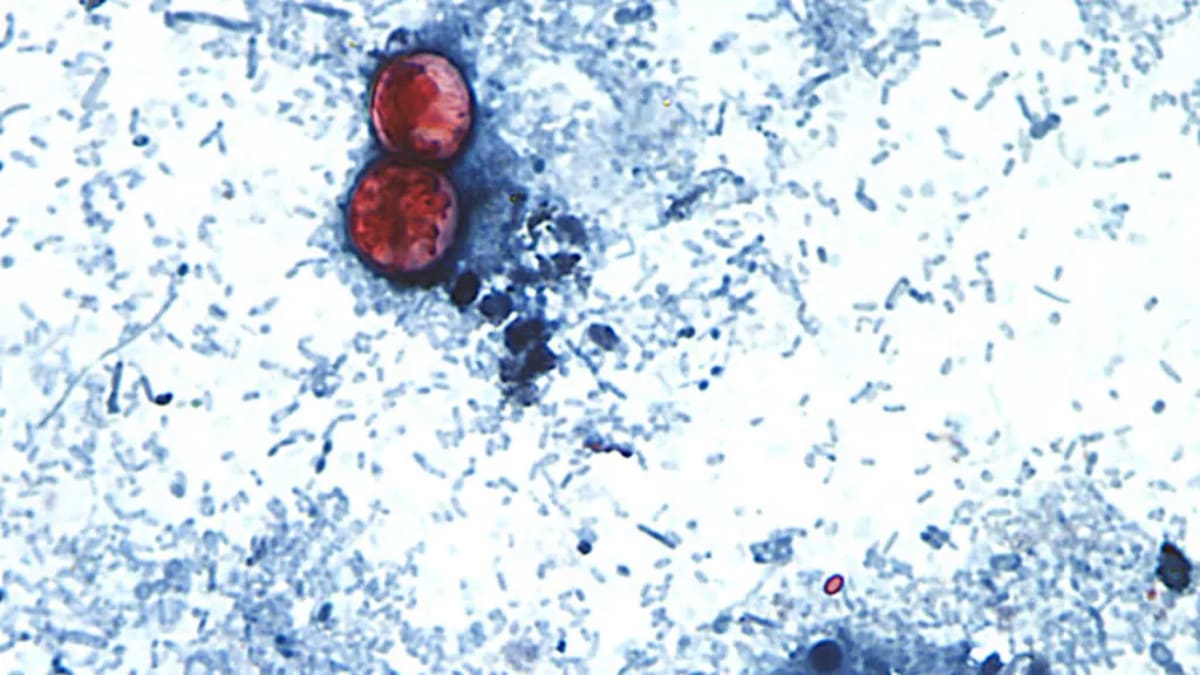
The Centers for Disease Control and Prevention (CDC) is investigating a multi state outbreak of Cyclospora cayetanensis, a parasite that causes severe watery diarrhea and other gastrointestinal symptoms. While the source remains unidentified, health officials urge vigilance as cases rise across the United States. Cyclospora infections typically peak during warmer months and are often linked to contaminated fresh produce.
Latest Developments
The CDC confirmed an ongoing investigation into a Cyclospora outbreak affecting multiple states, with case counts rising in recent weeks. As of the latest update, at least 100 infections have been reported across 15 states, though officials warn the true number may be higher due to underreporting. No deaths have been linked to the outbreak, but several hospitalizations have occurred.
Cyclospora infections, known as cyclosporiasis, cause prolonged diarrhea lasting weeks if untreated. Other symptoms include loss of appetite, weight loss, stomach cramps, nausea, and fatigue. The parasite is not spread directly between people but through contaminated food or water. Previous outbreaks have been traced to imported fresh produce like raspberries, basil, and lettuce.
What We Know About the Outbreak
Health officials have not yet identified a specific food source or geographic origin for the current outbreak. The CDC is collaborating with the Food and Drug Administration (FDA) and state health departments to trace cases and analyze epidemiological data. Genetic fingerprinting of samples is underway to determine if infections share a common origin.
Cyclospora cases typically surge during spring and summer months, coinciding with increased consumption of fresh produce. The parasite is resistant to standard chlorine disinfection, making it difficult to eliminate from contaminated water sources. While most healthy individuals recover without treatment, antibiotics like trimethoprim sulfamethoxazole are effective for severe cases.
Public Health Impact
The outbreak highlights vulnerabilities in the food supply chain, particularly for imported produce. The CDC estimates Cyclospora causes about 15,000 infections annually in the US, though many cases go undiagnosed. Children, older adults, and immunocompromised individuals face higher risks of severe illness.
Health departments in affected states are advising clinicians to test for Cyclospora in patients with persistent diarrhea, especially those who have traveled or consumed fresh produce. The CDC recommends thorough washing of fruits and vegetables, though this may not fully eliminate the parasite. Cooking produce remains the most reliable prevention method.
What's Next
The CDC expects case counts to rise as awareness increases and testing expands. Investigators are prioritizing interviews with infected individuals to identify common exposures. The FDA is reviewing import records for high risk produce, while state laboratories are enhancing surveillance for the parasite.
Public health officials urge consumers to remain vigilant but not avoid fresh produce entirely. The CDC will provide updates as the investigation progresses, including any confirmed sources of contamination. Clinicians are advised to report suspected cases promptly to aid tracking efforts.
Key Takeaways
- The CDC is investigating a multi state Cyclospora outbreak with over 100 reported cases across 15 states.
- Cyclospora causes severe, prolonged diarrhea and is typically linked to contaminated fresh produce or water.
- Health officials have not yet identified the outbreak source but emphasize proper produce washing and cooking as prevention measures.
Frequently Asked Questions
What are the symptoms of Cyclospora infection?
Symptoms include watery diarrhea, loss of appetite, weight loss, stomach cramps, nausea, and fatigue. Symptoms may last weeks if untreated.
How is Cyclospora treated?
Most healthy individuals recover without treatment, but antibiotics like trimethoprim sulfamethoxazole are prescribed for severe cases.
Can Cyclospora be prevented?
Thoroughly washing produce reduces risk, but cooking is the most effective prevention method. The parasite is not spread directly between people.
Published by O. Ayodeji John | Review by MedSense Editorial Board





















DISCUSSION (0)
POST A COMMENT