Executive Summary
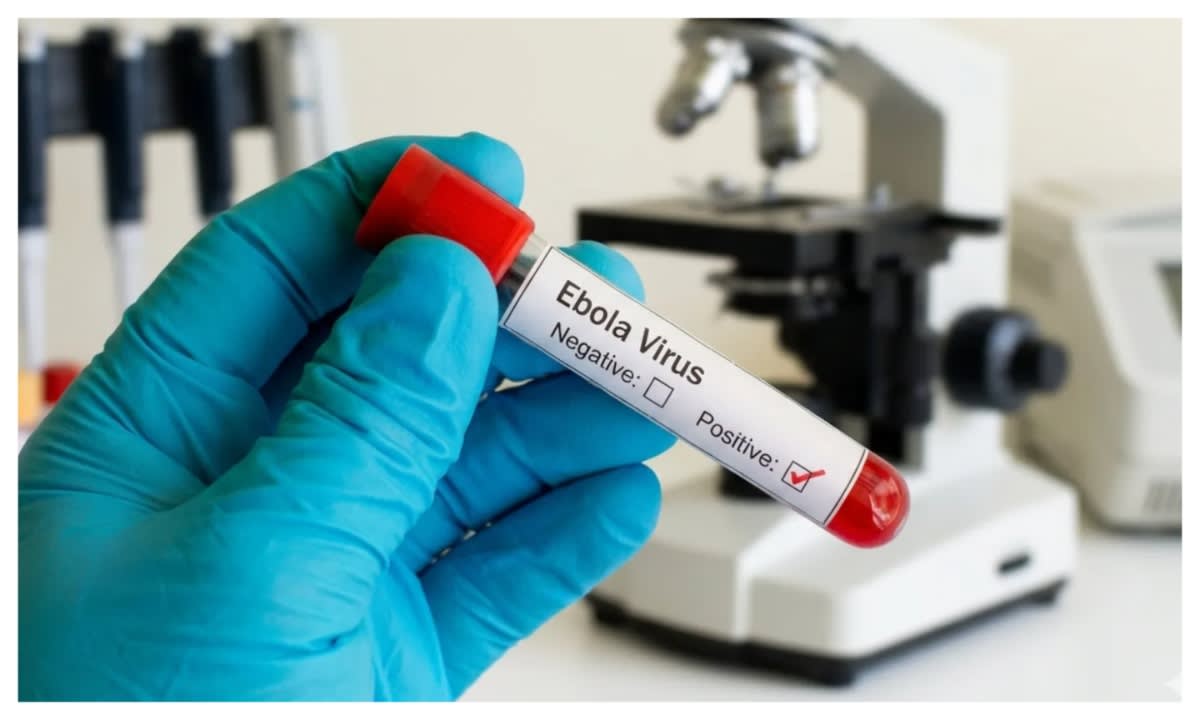
Health officials in Nigeria are sounding alarms over the dangerous overlap between early Ebola Virus Disease (EVD) symptoms and malaria, which can lead to fatal delays in diagnosis. With both conditions presenting with fever, fatigue, and body aches, experts urge immediate medical evaluation for persistent symptoms, particularly after malaria treatment fails. The warning comes amid heightened regional Ebola activity and Nigeria’s high malaria burden, raising concerns about potential undetected cases.
What Happened
Nigerian health authorities have issued a stark warning about the risk of misdiagnosing Ebola Virus Disease (EVD) as malaria during the early stages of infection. Speaking at a press briefing in Abuja, Dr. Abdullahi Nasiru, a public health specialist, highlighted that the initial symptoms of both diseases—fever, headache, fatigue, muscle pain, and general malaise—are nearly indistinguishable without laboratory testing. The concern is compounded by Nigeria’s high malaria prevalence, which often leads patients to self-medicate or delay seeking professional care.
Why Public Health Officials Are Concerned
The overlap in early symptoms creates a critical diagnostic challenge. While malaria is treatable with antimalarial drugs, Ebola progresses rapidly without intervention, often leading to severe complications such as hemorrhaging, organ failure, and death in up to 90% of untreated cases, according to the World Health Organization (WHO). The delay in identifying Ebola cases not only increases individual mortality risks but also raises the potential for community transmission through direct contact with bodily fluids.
Nigeria’s porous borders and frequent cross-border movement with countries experiencing Ebola outbreaks further amplify these concerns. Public health experts emphasize that the current situation demands heightened vigilance to prevent a silent epidemic from taking hold.
Symptoms or Risk Factors
Both Ebola and malaria share the following early symptoms:
- High fever
- Severe headache
- Extreme fatigue and weakness
- Muscle and joint pain
- Generalized body discomfort
Key differentiators emerge as the diseases progress. Ebola may later cause vomiting, diarrhea, unexplained bleeding (such as from gums or nose), and confusion, while malaria typically presents with cyclical fever patterns and chills. Health officials stress that any persistent or worsening symptoms after malaria treatment warrant immediate re-evaluation.
Who May Be Affected
The risk extends to individuals in regions with active malaria transmission, particularly in sub-Saharan Africa, where both diseases are endemic. Travelers returning from areas with confirmed Ebola cases, healthcare workers in high-risk settings, and individuals with recent exposure to bodily fluids of infected persons are also at elevated risk. Nigeria’s high population density and frequent travel between urban and rural areas further increase the likelihood of undetected Ebola cases slipping through the healthcare system.
Government or WHO Response
The Nigerian Centre for Disease Control (NCDC) has activated its National Ebola Preparedness and Response Plan, which includes enhanced surveillance, laboratory testing capacity, and public awareness campaigns. The WHO has also deployed technical experts to support Nigeria’s efforts, focusing on training healthcare workers to recognize the subtle differences between Ebola and malaria during early presentations.
In addition, the NCDC has issued guidelines for healthcare facilities to implement strict infection prevention and control measures, including the use of personal protective equipment (PPE) and isolation protocols for suspected cases. The agency has also urged the public to report any unexplained illnesses or deaths to local health authorities immediately.
Prevention and Safety Guidance
To reduce the risk of misdiagnosis and transmission, health authorities recommend the following steps:
- Seek immediate medical attention for persistent fever, headache, or fatigue, especially if symptoms do not improve after malaria treatment.
- Avoid self-medication with antimalarial or other over-the-counter drugs, as these may mask critical symptoms of Ebola.
- Practice strict hygiene by washing hands frequently with soap and water or using alcohol-based hand sanitizers.
- Report suspected cases to the NCDC or local health authorities via designated hotlines or through the NCDC’s digital reporting platforms.
- Limit contact with bodily fluids of individuals showing symptoms of fever or unexplained illness, including sweat, saliva, blood, and vomit.
What Readers Should Know
While malaria remains a leading cause of illness and death in Nigeria, the emergence of Ebola in the region demands a shift in how symptoms are evaluated. The key takeaway is that not all fevers are malaria, and persistent or worsening symptoms after treatment should prompt further investigation. Early detection of Ebola is critical to improving survival rates and preventing outbreaks. Residents in high-risk areas should familiarize themselves with the symptoms of both diseases and take proactive steps to protect themselves and their communities.
Healthcare providers are urged to maintain a high index of suspicion for Ebola in patients presenting with febrile illnesses, particularly those with a history of travel to affected regions or contact with known Ebola cases. Rapid diagnostic testing and isolation of suspected cases are essential to controlling potential outbreaks.
Key Takeaways
- Ebola and malaria share nearly identical early symptoms, including fever, fatigue, and body aches, making misdiagnosis a critical risk.
- Delayed diagnosis of Ebola can lead to severe complications and high mortality rates, as the disease progresses rapidly without treatment.
- Nigeria’s high malaria burden and porous borders with Ebola-affected countries increase the likelihood of undetected cases.
- Health authorities recommend immediate medical evaluation for persistent symptoms, even after malaria treatment.
- Strict infection control measures and public awareness are essential to preventing Ebola transmission and outbreaks.
Frequently Asked Questions
What are the key differences between Ebola and malaria symptoms?
While both diseases share early symptoms such as fever, headache, and fatigue, Ebola often progresses to severe complications like vomiting, diarrhea, unexplained bleeding, and confusion. Malaria typically presents with cyclical fever patterns and chills. However, laboratory testing is required for a definitive diagnosis.
Why is self-medication with antimalarial drugs dangerous in this context?
Self-medication with antimalarial drugs can mask the symptoms of Ebola, delaying critical diagnosis and treatment. Ebola requires immediate medical intervention, and early detection is vital to improving survival rates and preventing community transmission.
How can I report a suspected Ebola case in Nigeria?
Suspected cases can be reported to the Nigerian Centre for Disease Control (NCDC) via their toll-free hotlines or through the NCDC’s digital reporting platforms. Healthcare providers are also required to report suspected cases to local health authorities immediately.
Who is at highest risk of Ebola in Nigeria?
Individuals in regions with active malaria transmission, travelers returning from Ebola-affected areas, healthcare workers in high-risk settings, and those with recent exposure to bodily fluids of infected persons are at elevated risk. Nigeria’s high population density and frequent travel patterns further increase exposure risks.
What should I do if I suspect I have Ebola?
Seek immediate medical attention and avoid contact with others to prevent potential transmission. Inform healthcare providers about your symptoms and any recent travel or exposure history. Follow all guidance from health authorities regarding isolation and testing.
Medical Review: MedSense Editorial Board


















DISCUSSION (0)
POST A COMMENT