Executive Summary
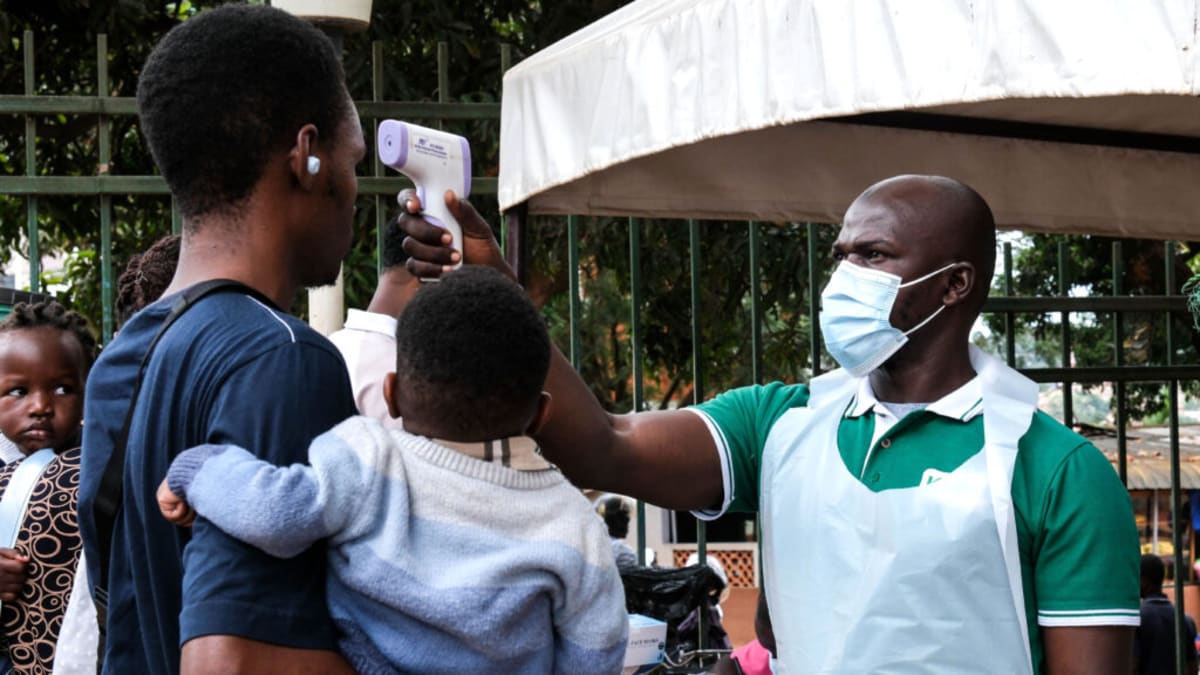
The Democratic Republic of Congo (DRC) is experiencing a resurgence of Ebola, with reports indicating that several Americans in the country may have been exposed to the virus. This development highlights the persistent threat of Ebola to global health security, particularly in regions already facing humanitarian crises. With a high fatality rate and rapid transmission potential, the situation demands immediate attention from public health authorities, travelers, and healthcare providers. This report examines the current outbreak, its implications for international spread, and the critical steps individuals and governments must take to mitigate risks.
What Happened
The Democratic Republic of Congo (DRC) is grappling with a renewed Ebola outbreak, a situation that has taken a concerning turn with reports that several Americans in the country may have been exposed to the virus. While the exact number of exposed individuals remains unverified, the potential for international spread has prompted urgent discussions among global health authorities. The DRC, already facing one of the world's most complex humanitarian crises, is no stranger to Ebola, having battled multiple outbreaks in recent decades. However, the involvement of Americans—likely aid workers, healthcare professionals, or travelers—elevates the stakes, underscoring the virus's capacity to transcend borders.
The outbreak is centered in the eastern provinces of the DRC, particularly North Kivu and Ituri, regions plagued by conflict, displacement, and limited healthcare infrastructure. These conditions have historically complicated containment efforts, allowing the virus to spread undetected for longer periods. The World Health Organization (WHO) has classified the situation as a Public Health Emergency of International Concern (PHEIC), a designation reserved for events that pose a significant risk to global health security.
Why Public Health Officials Are Concerned
Ebola, caused by the Zaire ebolavirus species, remains one of the deadliest pathogens known to humans. The current outbreak in the DRC is particularly alarming due to several factors that heighten the risk of international spread:
- High mortality rate: Ebola's case fatality rate can reach up to 90% in some outbreaks, though the current rate in the DRC is estimated at around 66% based on preliminary data. This underscores the urgency of early detection and isolation to prevent further transmission.
- Transmission dynamics: The virus spreads through direct contact with bodily fluids from infected individuals or contaminated surfaces. Unlike respiratory viruses, Ebola does not transmit through the air, but its spread can be rapid in settings where hygiene practices are compromised, such as healthcare facilities or densely populated areas.
- Incubation period: The virus has an incubation period ranging from 2 to 21 days, during which infected individuals may not exhibit symptoms but can still transmit the virus. This window complicates containment efforts, as travelers or healthcare workers may unknowingly carry the virus across borders.
- Healthcare infrastructure gaps: The DRC's healthcare system is under severe strain due to ongoing conflict, economic instability, and a shortage of trained personnel. These challenges delay diagnosis, treatment, and the implementation of infection control measures, increasing the risk of undetected spread.
- Community mistrust: Past outbreaks in the DRC have been exacerbated by misinformation and resistance to public health interventions. Community engagement and trust-building are critical to ensuring compliance with preventive measures, such as vaccination and safe burial practices.
The exposure of Americans to Ebola in the DRC is not an isolated incident but a reflection of the virus's persistent threat to global health security. The 2014-2016 West Africa Ebola outbreak, which resulted in over 11,000 deaths, demonstrated how quickly the virus could cross international borders, infecting individuals in the United States, Europe, and beyond. While advances in medical countermeasures, such as the rVSV-ZEBOV vaccine and experimental therapies, have improved outbreak response, the current situation in the DRC remains precarious.
Symptoms or Risk Factors
Ebola symptoms typically appear within 2 to 21 days after exposure to the virus. Early symptoms are often nonspecific and can mimic those of other infectious diseases, such as malaria or influenza, which may delay diagnosis. Recognizing the signs is critical for prompt medical intervention and isolation to prevent further transmission.
Common symptoms include:
- Sudden onset of fever
- Severe headache
- Muscle pain and weakness
- Fatigue
- Sore throat
- Vomiting and diarrhea
- Abdominal pain
- Unexplained bleeding or bruising
As the disease progresses, patients may experience more severe symptoms, including:
- Rash
- Impaired kidney and liver function
- Internal and external bleeding
- Confusion or seizures
- Coma
Individuals at higher risk of exposure include:
- Healthcare workers caring for Ebola patients without adequate personal protective equipment (PPE)
- Aid workers or volunteers in affected regions
- Family members or caregivers of infected individuals
- Travelers to areas with active Ebola transmission
- Laboratory personnel handling Ebola samples
It is essential to note that Ebola is not spread through casual contact, such as being in the same room as an infected person or breathing the same air. Transmission requires direct contact with bodily fluids, such as blood, vomit, or feces, from an infected individual or contaminated surfaces.
Who May Be Affected
The current Ebola outbreak in the DRC poses risks to multiple populations, both locally and internationally. Understanding these risks is critical for targeted prevention and response efforts.
Local populations in the DRC: The eastern provinces of North Kivu and Ituri are particularly vulnerable due to ongoing conflict, which has displaced over 2 million people. Displacement camps and overcrowded healthcare facilities create ideal conditions for the virus to spread. Additionally, community mistrust of public health authorities has hindered efforts to contain the outbreak, as seen in previous Ebola responses in the region.
Healthcare workers: Healthcare professionals in the DRC are on the front lines of the outbreak response, putting them at high risk of exposure. Inadequate access to PPE, limited training in infection control, and the strain of caring for large numbers of patients increase their vulnerability. The WHO has reported that healthcare workers account for a significant proportion of Ebola cases in the current outbreak.
Travelers and expatriates: While the risk of contracting Ebola while traveling to the DRC is low, it is not zero. The Centers for Disease Control and Prevention (CDC) has issued a Level 2 travel notice for the DRC, advising travelers to practice enhanced precautions. Americans who have recently visited the DRC or had contact with individuals from the region should monitor their health closely and seek medical attention if symptoms develop.
International community: The potential for Ebola to spread beyond the DRC is a concern for global health security. The WHO's declaration of a PHEIC reflects this risk, as the virus could be carried by travelers to other countries with weaker healthcare systems, where it could go undetected and spread rapidly. The 2014-2016 West Africa outbreak serves as a stark reminder of how quickly Ebola can cross borders and overwhelm local healthcare systems.
Government or WHO Response
The response to the current Ebola outbreak in the DRC involves a coordinated effort between the Congolese government, the WHO, and international partners. However, the response has faced significant challenges, including conflict, misinformation, and limited resources.
The Congolese Ministry of Health, in collaboration with the WHO and partners such as Médecins Sans Frontières (MSF), has deployed rapid response teams to affected areas. These teams focus on surveillance, contact tracing, and vaccination campaigns using the rVSV-ZEBOV vaccine, which has been shown to be highly effective in preventing Ebola. As of the latest reports, over 100,000 people in the DRC have been vaccinated, though challenges remain in reaching remote or conflict-affected communities.
The WHO has also activated its Emergency Response Framework to coordinate international support, including funding, technical expertise, and medical supplies. The organization has emphasized the need for community engagement to address mistrust and misinformation, which have historically hindered outbreak response efforts in the DRC.
In the United States, the CDC has issued guidance for travelers, healthcare providers, and laboratories to enhance preparedness and response. The agency has also worked with airlines and border control agencies to monitor travelers from the DRC for symptoms and exposure risks. Additionally, the U.S. Agency for International Development (USAID) has provided funding to support the DRC's outbreak response, including the deployment of experts and supplies.
Despite these efforts, the response remains underfunded and constrained by the security situation in the DRC. The WHO has repeatedly called for increased international support to address the humanitarian and health crises in the region.
Prevention and Safety Guidance
Preventing the spread of Ebola requires a multipronged approach that includes vaccination, infection control, and community engagement. For individuals, particularly those in or traveling to affected regions, the following measures are critical:
- Vaccination: The rVSV-ZEBOV vaccine is highly effective in preventing Ebola and is recommended for healthcare workers, aid workers, and individuals at high risk of exposure. The vaccine is administered in a single dose and provides protection within 10 days. While not yet widely available outside of outbreak settings, efforts are underway to expand access.
- Hygiene and infection control: Practicing good hygiene is essential to preventing Ebola transmission. This includes frequent handwashing with soap and water or using alcohol-based hand sanitizers, avoiding contact with bodily fluids, and disinfecting surfaces regularly. Healthcare workers should adhere to strict infection control protocols, including the use of PPE such as gloves, masks, and gowns.
- Safe burial practices: Traditional burial practices in some communities involve washing or touching the body of the deceased, which can expose individuals to the virus. Safe burial practices, such as using trained teams to handle bodies and avoiding contact with bodily fluids, are critical to preventing transmission.
- Travel precautions: Travelers to the DRC should avoid contact with wild animals, such as bats or primates, which can carry the virus. They should also avoid consuming bushmeat, which has been linked to Ebola transmission. If traveling to affected areas, individuals should monitor their health closely for 21 days after returning and seek medical attention if symptoms develop. The CDC recommends that travelers register with the U.S. Department of State's Smart Traveler Enrollment Program (STEP) to receive updates and assistance.
- Healthcare provider awareness: Healthcare providers in the U.S. and other countries should be vigilant for patients with symptoms of Ebola, particularly those with a recent travel history to the DRC or contact with individuals from the region. Early detection and isolation are critical to preventing further transmission. Providers should follow CDC guidelines for evaluating and managing patients under investigation for Ebola.
For communities in the DRC, public health authorities are working to improve access to clean water, sanitation, and hygiene (WASH) facilities, which are essential for preventing Ebola transmission. Efforts are also underway to address misinformation and build trust with local populations, including through community leaders and religious figures.
What Readers Should Know
The resurgence of Ebola in the DRC and the potential exposure of Americans to the virus serve as a reminder of the persistent threat that infectious diseases pose to global health security. While the risk of a large-scale international outbreak remains low, the situation underscores the importance of preparedness, vigilance, and international cooperation.
For individuals, the key takeaway is to stay informed and take practical steps to protect yourself and others. If you or someone you know has recently traveled to the DRC or had contact with individuals from the region, monitor your health closely for 21 days and seek medical attention if symptoms develop. Healthcare providers should remain vigilant for patients with symptoms of Ebola, particularly those with a relevant travel history.
For policymakers and public health authorities, the current outbreak highlights the need for sustained investment in global health security, including strengthening healthcare systems in vulnerable regions, improving access to vaccines and treatments, and addressing the root causes of conflict and displacement that exacerbate health crises.
The Ebola outbreak in the DRC is a complex and evolving situation, but it is not insurmountable. With the right resources, coordination, and community engagement, it is possible to contain the virus and prevent further spread. The lessons learned from past outbreaks, such as the 2014-2016 West Africa epidemic, provide a roadmap for effective response. However, the success of these efforts depends on the commitment of governments, international organizations, and individuals alike.
Key Takeaways
- Ebola's resurgence in the Democratic Republic of Congo (DRC) poses a significant risk to global health security, particularly due to the potential exposure of Americans and the virus's high fatality rate.
- The outbreak in the DRC is exacerbated by conflict, displacement, and limited healthcare infrastructure, creating ideal conditions for the virus to spread undetected.
- Early symptoms of Ebola are often nonspecific and can mimic other diseases, making prompt diagnosis and isolation critical to preventing further transmission.
- Vaccination with the rVSV-ZEBOV vaccine is highly effective in preventing Ebola and is recommended for high-risk individuals, including healthcare workers and travelers to affected regions.
- Preventive measures, such as good hygiene, safe burial practices, and avoiding contact with bodily fluids, are essential to reducing the risk of Ebola transmission.
- The WHO has declared the DRC Ebola outbreak a Public Health Emergency of International Concern (PHEIC), reflecting the global risk posed by the virus.
- Travelers to the DRC should monitor their health closely for 21 days after returning and seek medical attention if symptoms develop.
- Healthcare providers should remain vigilant for patients with symptoms of Ebola, particularly those with a recent travel history to the DRC or contact with individuals from the region.
Frequently Asked Questions
How is Ebola transmitted, and how can I protect myself?
Ebola is transmitted through direct contact with bodily fluids from an infected person or contaminated surfaces. To protect yourself, practice good hygiene, such as frequent handwashing with soap and water or using alcohol-based hand sanitizers. Avoid contact with bodily fluids, and disinfect surfaces regularly. Healthcare workers should use personal protective equipment (PPE) such as gloves, masks, and gowns. Travelers to affected regions should avoid contact with wild animals and bushmeat, and monitor their health closely for 21 days after returning.
What are the symptoms of Ebola, and when should I seek medical attention?
Early symptoms of Ebola include sudden onset of fever, severe headache, muscle pain, fatigue, sore throat, vomiting, and diarrhea. As the disease progresses, patients may experience rash, impaired kidney and liver function, internal and external bleeding, confusion, or seizures. Seek medical attention immediately if you develop these symptoms, particularly if you have a recent travel history to the DRC or contact with individuals from the region.
Is there a vaccine for Ebola, and who should get it?
Yes, the rVSV-ZEBOV vaccine is highly effective in preventing Ebola and is recommended for healthcare workers, aid workers, and individuals at high risk of exposure. The vaccine is administered in a single dose and provides protection within 10 days. While not yet widely available outside of outbreak settings, efforts are underway to expand access.
What is the current situation in the Democratic Republic of Congo, and how is the outbreak being contained?
The current Ebola outbreak in the DRC is centered in the eastern provinces of North Kivu and Ituri, regions plagued by conflict, displacement, and limited healthcare infrastructure. The Congolese Ministry of Health, in collaboration with the WHO and partners such as Médecins Sans Frontières (MSF), has deployed rapid response teams to affected areas. These teams focus on surveillance, contact tracing, and vaccination campaigns. As of the latest reports, over 100,000 people in the DRC have been vaccinated, though challenges remain in reaching remote or conflict-affected communities.
What should travelers to the DRC know about Ebola risk?
The CDC has issued a Level 2 travel notice for the DRC, advising travelers to practice enhanced precautions. While the risk of contracting Ebola while traveling to the DRC is low, it is not zero. Travelers should avoid contact with wild animals and bushmeat, monitor their health closely for 21 days after returning, and seek medical attention if symptoms develop. The CDC recommends that travelers register with the U.S. Department of State's Smart Traveler Enrollment Program (STEP) to receive updates and assistance.
How does the current Ebola outbreak compare to past outbreaks, such as the 2014-2016 West Africa epidemic?
The current Ebola outbreak in the DRC shares similarities with past outbreaks, including high fatality rates and rapid transmission in settings with limited healthcare infrastructure. However, advances in medical countermeasures, such as the rVSV-ZEBOV vaccine and experimental therapies, have improved outbreak response. The WHO's declaration of a Public Health Emergency of International Concern (PHEIC) reflects the global risk posed by the current outbreak, though the risk of a large-scale international spread remains lower than during the 2014-2016 epidemic.
Medical Review: MedSense Editorial Board















DISCUSSION (0)
POST A COMMENT