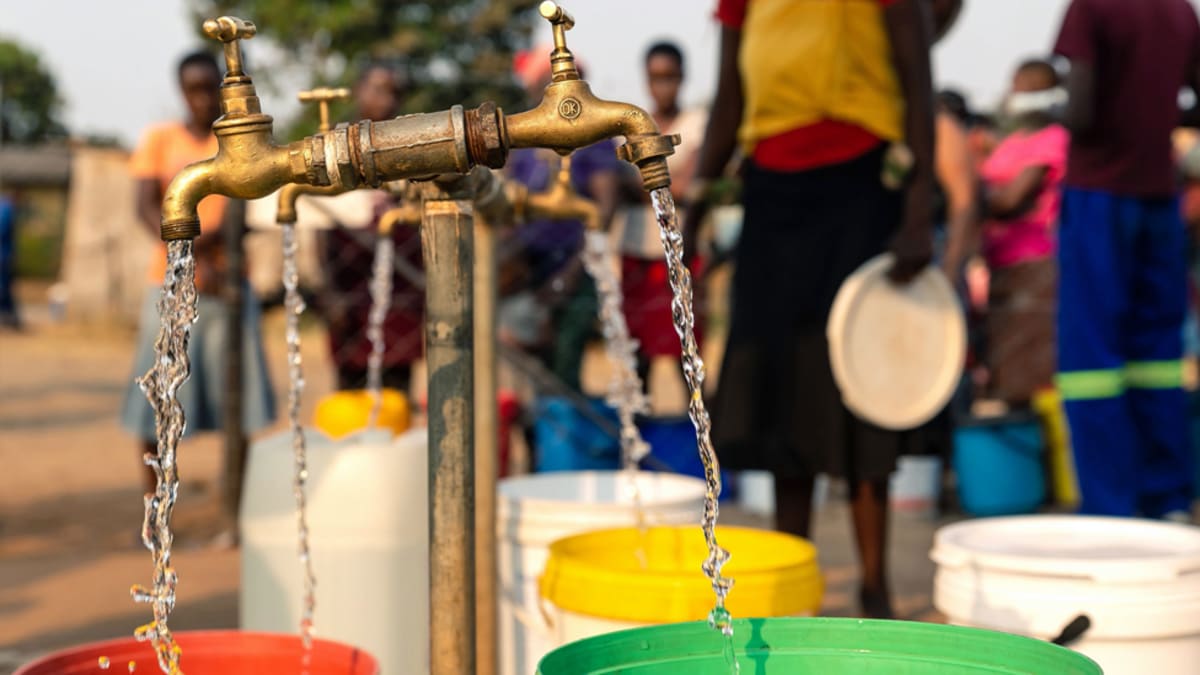
Zvishavane, a district in Zimbabwe’s Midlands province, is bracing for a potential public health emergency after health authorities confirmed two cholera cases this week. The confirmation follows a directive issued by Zvishavane District Hospital on May 15, 2026, urging immediate containment measures across all healthcare facilities.
The cases have raised concerns among residents and health officials alike, as the region grapples with prolonged water shortages that have forced many to rely on untreated water sources. The National Microbiology Reference Laboratory has verified the cases, prompting a rapid escalation in surveillance and emergency response protocols.
What Happened
Health authorities in Zimbabwe confirmed two cholera cases in Zvishavane, Midlands Province, on May 15, 2026. The cases were identified through routine disease surveillance and verified by the National Microbiology Reference Laboratory. In response, Zvishavane District Hospital issued an emergency memo to all public and private healthcare facilities, mandating heightened surveillance, emergency preparedness, and containment protocols.
Why Public Health Officials Are Concerned
Public health experts warn that the confirmed cases signal a heightened risk of a broader outbreak, particularly in areas facing severe water shortages. Cholera spreads rapidly through contaminated water or food, leading to severe dehydration and, if untreated, death within hours. The current water crisis in Zimbabwe has exacerbated the risk, as residents increasingly turn to unsafe water sources.
Local clinics and hospitals have been instructed to stockpile oral rehydration salts, establish isolation units, and enhance monitoring for symptoms consistent with cholera. The Ministry of Health and Child Care has also called for a coordinated response to prevent further transmission.
Symptoms or Risk Factors
Cholera symptoms include sudden onset of watery diarrhea, nausea, vomiting, and severe dehydration. The illness can progress rapidly, particularly in vulnerable populations such as children, the elderly, and those with preexisting health conditions. Health officials emphasize that early medical intervention is critical to preventing severe outcomes.
Risk factors for cholera transmission include consuming untreated water, eating contaminated food, and poor sanitation practices. In regions with limited access to clean water, such as Zvishavane, these risks are significantly amplified.
Who May Be Affected
The confirmed cases in Zvishavane raise concerns for residents in the district and surrounding areas, particularly those relying on untreated water sources. Health officials are prioritizing surveillance in communities with documented water shortages and limited access to sanitation infrastructure. Travelers and aid workers in the region are also advised to take precautions to avoid exposure.
Government or WHO Response
The Zimbabwean Ministry of Health and Child Care has activated emergency response protocols, including the distribution of chlorine tablets for water treatment and the deployment of rapid response teams to affected areas. The World Health Organization (WHO) has offered technical support, including laboratory testing and outbreak investigation assistance.
Local authorities are coordinating with health facilities to ensure adequate supplies of oral rehydration salts and intravenous fluids. Public health campaigns are underway to educate communities on cholera prevention and early symptom recognition.
Prevention and Safety Guidance
Health officials are urging residents to take immediate precautions to reduce the risk of cholera transmission. Key recommendations include:
- Boiling or treating all drinking water using chlorine tablets, filtration, or other approved methods.
- Washing hands thoroughly with soap and clean water before eating, after using the toilet, and after handling food.
- Avoiding raw or undercooked seafood and unpeeled fruits and vegetables.
- Seeking immediate medical attention if symptoms such as severe diarrhea or vomiting occur.
- Following updates from local health authorities and adhering to public health advisories.
What Readers Should Know
While the confirmation of two cholera cases may seem limited, public health experts caution that cholera outbreaks can escalate rapidly in vulnerable communities. The current water crisis in Zimbabwe underscores the need for sustained investment in water infrastructure and sanitation to prevent future outbreaks.
Residents in Zvishavane and surrounding areas should remain vigilant, adhere to prevention guidelines, and report any suspected cases to health authorities immediately. Health facilities are on high alert, but community cooperation is essential to containing the spread of the disease.
Key Takeaways
- Zimbabwe has confirmed two cholera cases in Zvishavane, Midlands Province, raising fears of a wider outbreak amid severe water shortages.
- Cholera spreads rapidly through contaminated water or food, with symptoms including severe diarrhea, vomiting, and dehydration.
- Health officials have issued emergency directives, including enhanced surveillance, water treatment protocols, and public health campaigns.
- Residents are advised to boil or treat drinking water, practice rigorous hygiene, and seek immediate medical care if symptoms arise.
- The World Health Organization and Zimbabwe’s Ministry of Health are coordinating response efforts to prevent further transmission.
Frequently Asked Questions
How does cholera spread, and what are the early signs?
Cholera spreads through consuming contaminated water or food, particularly in areas with poor sanitation. Early signs include sudden watery diarrhea, nausea, vomiting, and signs of dehydration such as dry mouth, rapid heartbeat, and low blood pressure.
What should I do if I suspect cholera in my community?
Contact local health authorities immediately to report suspected cases. Avoid consuming untreated water or food, and encourage others to follow hygiene and water treatment guidelines. Health facilities are prepared to provide treatment and support.
Is there a vaccine for cholera, and who should receive it?
Oral cholera vaccines are available and recommended for high risk populations in outbreak prone areas. The Zimbabwean Ministry of Health is assessing vaccination strategies in response to the current situation. Consult local health officials for guidance.
How can I protect my family from cholera during a water crisis?
Boil or treat all drinking water using chlorine tablets or filtration. Wash hands frequently with soap and clean water, avoid raw or undercooked foods, and ensure proper sanitation. Follow updates from health authorities for additional guidance.
What is the government doing to address the water crisis in Zimbabwe?
The Zimbabwean government, in coordination with the World Health Organization, is deploying rapid response teams, distributing water treatment supplies, and accelerating efforts to improve water infrastructure in affected regions. Public health campaigns are also underway to educate communities.
Medical Review: MedSense Editorial Board


















DISCUSSION (0)
POST A COMMENT