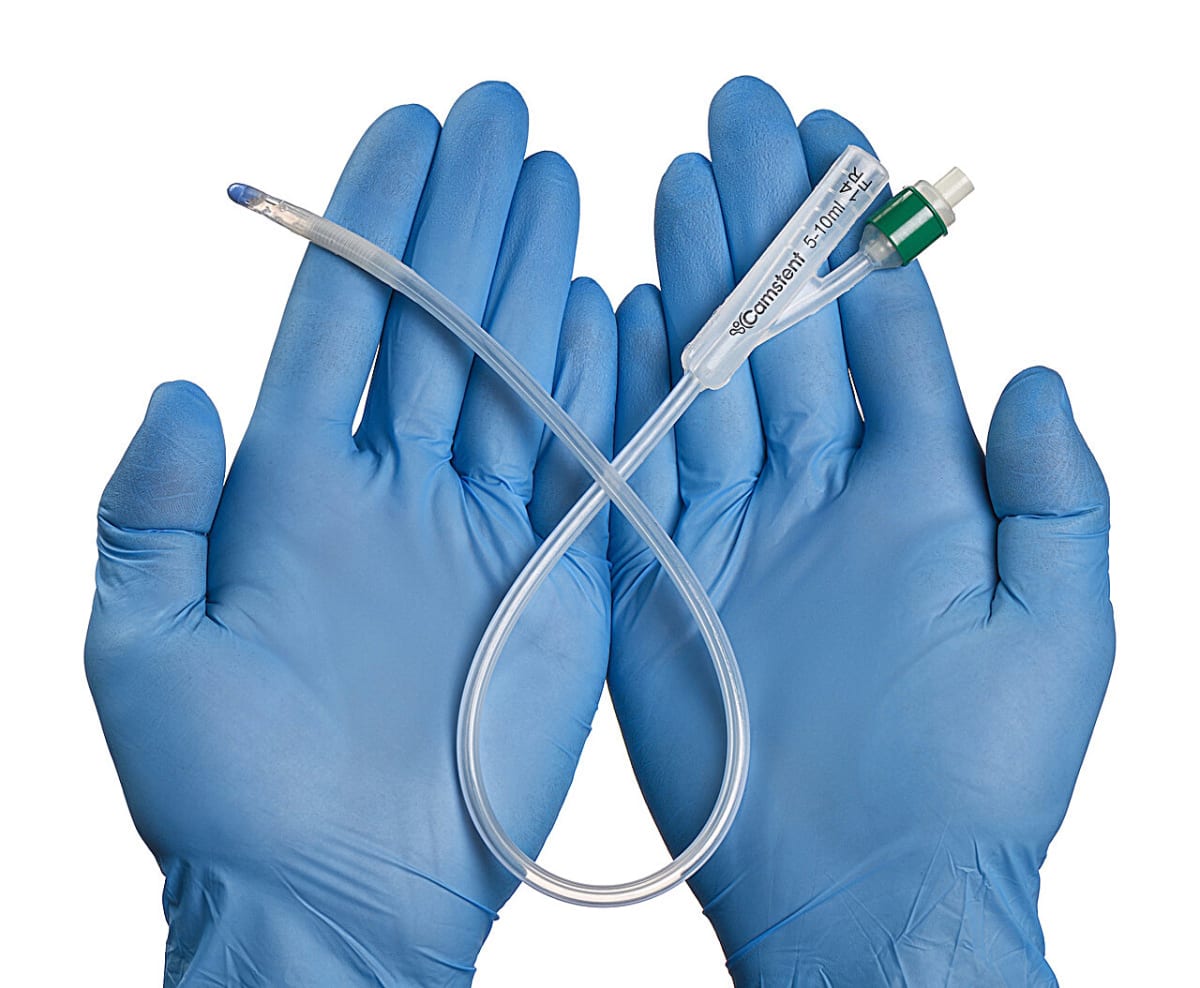
A groundbreaking study has delivered compelling evidence that reusable urinary catheters are not only safe for patients but also deliver measurable benefits to healthcare systems. Researchers found no increase in urinary tract infections (UTIs) among patients using reusable catheters compared to those using single use alternatives. The findings, published in a leading medical journal, suggest a significant opportunity to reduce healthcare costs and antibiotic dependence in the NHS and beyond. With catheter associated UTIs accounting for a substantial portion of hospital acquired infections, the implications for patient care and resource allocation are substantial.
What Happened
Researchers conducted a comprehensive analysis comparing the safety and efficacy of reusable and single use urinary catheters. The study, which included thousands of patients across multiple healthcare settings, found no statistically significant difference in the incidence of urinary tract infections between the two groups. This challenges long standing assumptions that single use catheters are inherently safer due to reduced contamination risks. The findings were published in BMJ Quality & Safety, reinforcing the clinical viability of reusable options.
Clinical Significance
The study’s most critical takeaway is that reusable catheters do not compromise patient safety while offering tangible advantages. Urinary tract infections linked to catheter use are a leading cause of hospital readmissions and prolonged hospital stays, contributing to increased healthcare costs and antibiotic resistance. By demonstrating that reusable catheters are equally safe, the research opens the door to more sustainable and cost effective catheter management strategies in hospitals and long term care facilities.
Why Public Health Officials Are Concerned
Catheter associated UTIs are a persistent challenge in healthcare, with an estimated 15 to 25 percent of hospitalized patients receiving urinary catheters during their stay. These infections not only prolong recovery times but also drive up antibiotic prescriptions, fueling the global crisis of antimicrobial resistance. Public health leaders have emphasized the need for interventions that reduce infection rates without compromising patient care. The study’s results provide a viable pathway to address this dual challenge by validating reusable catheters as a safe alternative.
Symptoms or Risk Factors
Urinary tract infections caused by catheter use often present with symptoms such as burning during urination, frequent urination, cloudy or strong smelling urine, and lower abdominal pain. Patients with indwelling catheters are particularly vulnerable, as prolonged catheterization increases the risk of infection. The study’s findings suggest that reusable catheters, when properly sterilized and maintained, do not elevate these risks, making them a practical option for patients requiring long term catheterization.
Who May Be Affected
This research has broad implications for patients, healthcare providers, and healthcare systems. Patients who require long term catheterization, such as those with spinal cord injuries, neurological disorders, or chronic urinary retention, stand to benefit from the cost savings and reduced environmental impact of reusable catheters. Healthcare facilities, particularly in resource constrained settings, may find reusable options particularly advantageous due to their lower per use cost. Additionally, public health systems like the NHS could realize significant savings by reducing catheter associated UTIs and antibiotic prescriptions.
Government or WHO Response
While the study does not cite an immediate policy response, its findings align with broader initiatives aimed at reducing healthcare costs and antimicrobial resistance. The World Health Organization (WHO) has long advocated for strategies to minimize catheter associated infections, including proper catheter insertion techniques and timely removal when no longer needed. The NHS, which faces ongoing pressure to improve efficiency, may consider updating its catheter procurement and management guidelines based on these findings. Public health agencies are likely to monitor further research to validate the study’s conclusions across diverse healthcare settings.
Prevention and Safety Guidance
For healthcare providers considering a shift to reusable catheters, adherence to strict sterilization protocols is paramount. The study underscores the importance of following manufacturer guidelines for cleaning and disinfection to mitigate any potential risks. Patients and caregivers should be educated on proper catheter care, including regular monitoring for signs of infection and prompt reporting of symptoms. Facilities transitioning to reusable catheters should implement robust training programs for staff to ensure compliance with infection control standards.
What Readers Should Know
Reusable catheters are not a one size fits all solution, but this study provides strong evidence that they are a safe and cost effective option for many patients. Patients and families should discuss catheter choices with their healthcare providers, weighing the clinical benefits against individual needs and facility protocols. For healthcare administrators, the findings highlight an opportunity to reduce costs and environmental impact without compromising patient safety. As antimicrobial resistance continues to rise, strategies that lower antibiotic dependence, such as the use of reusable catheters, deserve serious consideration.
Key Takeaways
- Reusable urinary catheters are as safe as single use options and do not increase the risk of urinary tract infections.
- The study suggests reusable catheters could reduce healthcare costs and antibiotic use in the NHS and other systems.
- Proper sterilization and maintenance are critical to ensuring the safety of reusable catheters.
- Patients requiring long term catheterization may benefit from the cost savings and environmental advantages of reusable options.
Frequently Asked Questions
Are reusable catheters really as safe as single use ones?
Yes. A comprehensive study published in BMJ Quality & Safety found no significant difference in urinary tract infection rates between reusable and single use catheters when proper sterilization protocols are followed.
How do reusable catheters reduce healthcare costs?
Reusable catheters have a lower per use cost compared to single use options. By reducing the incidence of catheter associated UTIs, they also lower hospital readmissions, antibiotic prescriptions, and overall healthcare expenses.
What are the risks of catheter associated UTIs?
Catheter associated UTIs can lead to prolonged hospital stays, increased healthcare costs, and the need for antibiotics, which contributes to antimicrobial resistance. Symptoms include burning during urination, frequent urination, and lower abdominal pain.
Who should consider using reusable catheters?
Patients requiring long term catheterization, such as those with spinal cord injuries or neurological disorders, may benefit from reusable catheters. Healthcare facilities looking to reduce costs and environmental impact should also consider this option.
What precautions should be taken with reusable catheters?
Strict sterilization protocols must be followed to ensure patient safety. Healthcare providers should adhere to manufacturer guidelines for cleaning and disinfection, and patients should be educated on proper catheter care and infection monitoring.
Medical Review: MedSense Editorial Board


DISCUSSION (0)
POST A COMMENT