
What Happened
The United Nations World Food Programme has issued a stark warning about the rapidly worsening food security crisis in northern Nigeria. In a statement released this week, the agency revealed that 17 million people are now at risk of severe hunger, a figure that underscores the region’s descent into one of its most dire humanitarian emergencies in years. The crisis has been fueled by a combination of escalating armed conflict, climate shocks, and a significant reduction in international aid funding.
Northern Nigeria has long grappled with food insecurity, but the current situation is unprecedented in its scale and severity. The World Food Programme attributes the crisis to a perfect storm of factors: persistent violence by armed groups, which has disrupted farming and trade; rising inflation, which has eroded purchasing power; and a sharp decline in humanitarian assistance due to global funding shortages. The agency’s latest assessments indicate that many families are now skipping meals entirely, relying on increasingly desperate coping mechanisms to survive.
Why Public Health Officials Are Concerned
The hunger crisis in northern Nigeria is not just a food security issue, it is a public health emergency with far reaching consequences. Malnutrition weakens immune systems, making populations more vulnerable to infectious diseases such as cholera, measles, and malaria. Children under five are particularly at risk, with acute malnutrition leading to stunted growth, developmental delays, and increased mortality rates. The World Health Organization has previously warned that malnutrition contributes to nearly half of all child deaths in Nigeria, a statistic that could worsen if the current crisis is left unaddressed.
Beyond immediate health risks, food insecurity also exacerbates social instability. Desperation can drive displacement, as families flee violence and hunger in search of safety and aid. This, in turn, strains already overburdened healthcare systems in neighboring regions and countries. Public health officials are also concerned about the long term economic impact, as malnutrition in early childhood can lead to reduced productivity and cognitive impairment, perpetuating cycles of poverty for generations.
Who May Be Affected
The crisis is most acute in Nigeria’s northeastern states, including Borno, Adamawa, and Yobe, where years of insurgency have devastated local economies and infrastructure. However, the ripple effects extend across the entire northern region, affecting both rural and urban populations. Smallholder farmers, who form the backbone of Nigeria’s food production, are among the hardest hit. Many have been forced to abandon their lands due to violence or lack of resources, further reducing food supplies.
Women and children are disproportionately affected. Women often bear the burden of securing food for their families, resorting to extreme measures such as reducing their own food intake to feed their children. Children, meanwhile, face heightened risks of malnutrition, which can have lifelong consequences. The United Nations Children’s Fund estimates that over 2 million children in northern Nigeria are already suffering from acute malnutrition, with many requiring urgent therapeutic feeding to survive.
Government and International Response
The Nigerian government has acknowledged the severity of the crisis and has taken steps to mitigate its impact. In collaboration with international partners, authorities have distributed food aid, implemented cash transfer programs, and supported agricultural initiatives aimed at boosting local food production. However, these efforts have been hampered by insecurity, logistical challenges, and insufficient funding.
The United Nations has called for urgent international support to avert a full blown famine. The World Food Programme has appealed for $150 million to scale up its operations in Nigeria, emphasizing the need for sustained funding to address both immediate needs and long term resilience. Other organizations, including the International Committee of the Red Cross and Médecins Sans Frontières, are also ramping up their efforts, but warn that resources are stretched thin.
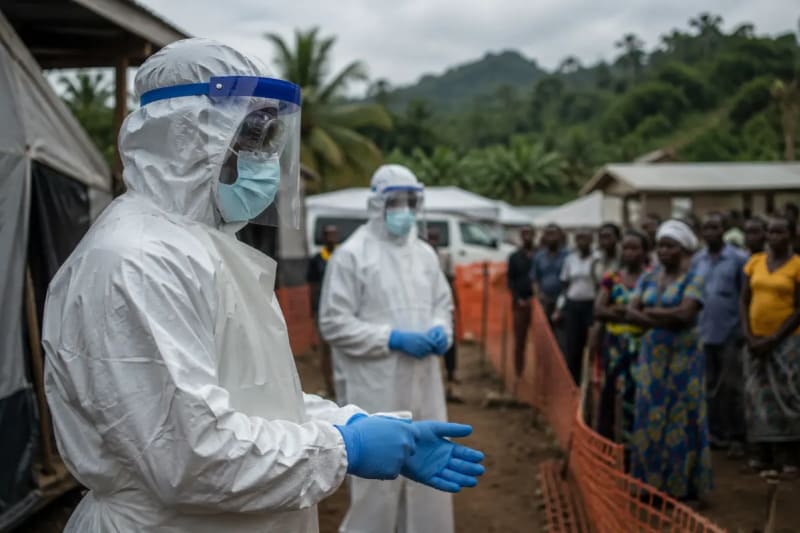
Despite these efforts, humanitarian agencies face significant obstacles. Access to conflict affected areas remains restricted, and aid workers are increasingly targeted by armed groups. The global economic downturn and competing humanitarian crises have also diverted attention and funding away from Nigeria, leaving many programs under resourced.
Prevention and Safety Guidance
For communities in northern Nigeria, the immediate priority is accessing food and nutrition support. The World Food Programme and other aid organizations are urging affected populations to seek assistance through local distribution centers, where available. Families are advised to prioritize nutrient rich foods, such as legumes, vegetables, and fortified grains, to mitigate the effects of malnutrition.
Public health experts also recommend that communities take steps to prevent disease outbreaks, which can spread rapidly in overcrowded and unsanitary conditions. This includes practicing good hygiene, such as handwashing with soap, drinking clean water, and ensuring proper sanitation. Vaccination campaigns for diseases like measles and cholera are critical, particularly for children and vulnerable populations.
For those displaced by conflict, humanitarian agencies emphasize the importance of registering with local authorities or aid organizations to access support services. Mental health resources, though limited, are also available in some areas to help individuals cope with the trauma of displacement and food insecurity.
What Readers Should Know
The hunger crisis in northern Nigeria is a complex emergency that requires both immediate and long term solutions. While humanitarian aid can provide temporary relief, addressing the root causes, such as conflict, climate change, and economic instability, will be essential to preventing future crises. International donors, governments, and local communities must work together to ensure that food assistance reaches those in need and that sustainable solutions are implemented to build resilience.
For those looking to help, supporting reputable humanitarian organizations is one way to make an impact. Donations to groups like the World Food Programme, UNICEF, and the International Rescue Committee can help fund food distributions, nutrition programs, and healthcare services. Advocacy efforts, such as raising awareness about the crisis and urging policymakers to prioritize funding, can also play a critical role in driving change.
As the situation continues to evolve, staying informed through reliable sources is crucial. The crisis in northern Nigeria is a stark reminder of how quickly food insecurity can escalate into a full blown humanitarian disaster, and how interconnected global challenges, such as conflict, climate change, and economic instability, can exacerbate suffering on a massive scale.
Key Takeaways
- 17 million people in northern Nigeria are facing severe food insecurity, marking the region’s worst hunger crisis in nearly a decade.
- The crisis is driven by escalating conflict, climate shocks, and a sharp decline in humanitarian funding, with children and women disproportionately affected.
- Malnutrition and disease outbreaks pose significant public health risks, particularly for children under five, who face lifelong consequences if left untreated.
- International aid organizations are scaling up efforts but face challenges such as insecurity, restricted access, and insufficient funding.
- Long term solutions require addressing root causes like conflict and economic instability, alongside immediate food and nutrition support.
Frequently Asked Questions
What is causing the hunger crisis in northern Nigeria?
The crisis is primarily driven by escalating armed conflict, which has disrupted farming and trade, along with rising inflation and a significant reduction in humanitarian funding. Climate shocks, such as droughts and floods, have also worsened food insecurity.
How many people are affected by the crisis?
The United Nations estimates that 17 million people in northern Nigeria are facing severe food insecurity, with the situation most acute in the northeastern states of Borno, Adamawa, and Yobe.
What are the health risks associated with this crisis?
Malnutrition weakens immune systems, increasing vulnerability to infectious diseases like cholera, measles, and malaria. Children under five are particularly at risk, with acute malnutrition leading to stunted growth, developmental delays, and higher mortality rates.
What is being done to address the crisis?
The Nigerian government and international organizations are distributing food aid, implementing cash transfer programs, and supporting agricultural initiatives. However, efforts are hampered by insecurity, logistical challenges, and insufficient funding.
How can individuals help those affected by the crisis?
Supporting reputable humanitarian organizations, such as the World Food Programme, UNICEF, or the International Rescue Committee, through donations or advocacy can make a difference. Raising awareness about the crisis and urging policymakers to prioritize funding are also critical steps.
Medical Review: MedSense Editorial Board













DISCUSSION (0)
POST A COMMENT