
What Happened
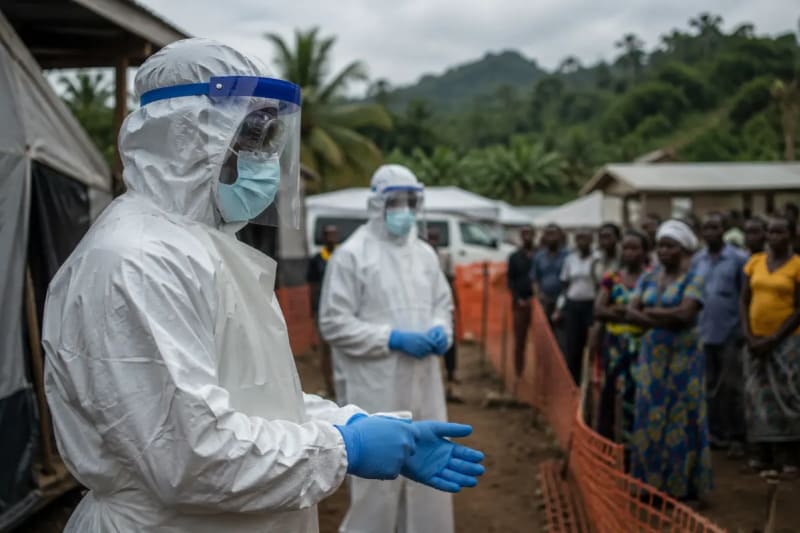
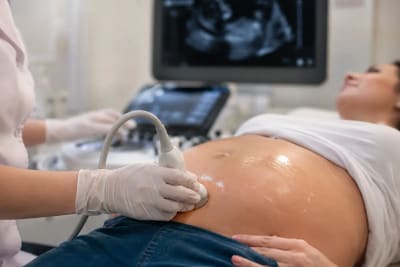
The Federal Government of Nigeria, through the Ministry of Health and Social Welfare, has flagged off a N10 billion intervention program aimed at improving maternal and newborn health services in Bauchi State. The initiative includes the procurement and distribution of emergency obstetric and newborn care equipment, essential medical commodities, and standardized delivery kits to healthcare facilities across the state. The official launch took place over the weekend, marking the beginning of a phased rollout expected to reach primary, secondary, and tertiary health institutions.
Why Public Health Officials Are Concerned
Nigeria continues to grapple with one of the highest maternal and neonatal mortality rates in the world. According to the latest data from the World Health Organization, the country records approximately 512 maternal deaths per 100,000 live births, with neonatal mortality standing at 35 deaths per 1,000 live births. Bauchi State, located in the northeastern region, faces additional challenges due to limited healthcare infrastructure, workforce shortages, and geographic barriers that restrict access to timely medical care. These factors contribute to delays in receiving emergency obstetric interventions, which are often the difference between life and death for mothers and newborns.
Who May Be Affected
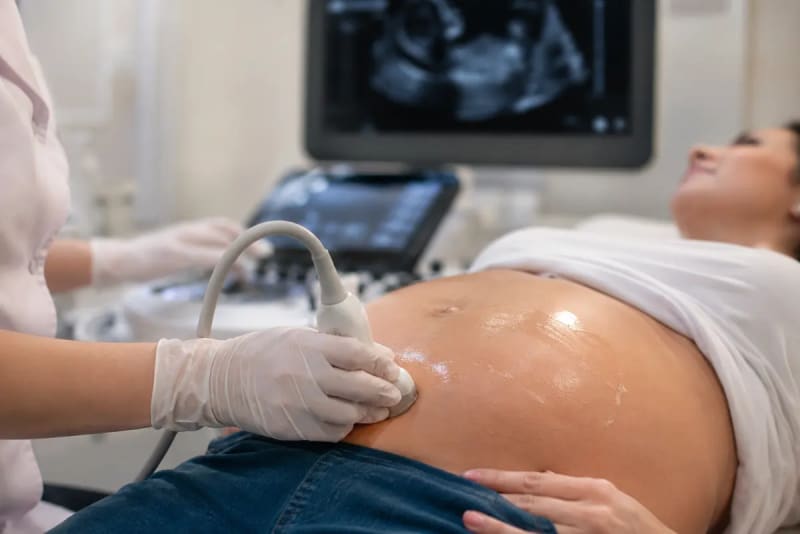
This intervention directly targets pregnant women, newborns, and healthcare providers in Bauchi State. The initiative is particularly critical for women in rural and underserved communities, where access to skilled birth attendants and emergency care is limited. Healthcare workers, including midwives, nurses, and doctors, will also benefit from the upgraded equipment and supplies, enabling them to deliver higher quality care. Indirectly, the program may reduce the financial and emotional burden on families who often bear the cost of preventable maternal and neonatal complications.
Government Response and Implementation Strategy
The Federal Ministry of Health and Social Welfare has indicated that the intervention is part of a broader national strategy to achieve the Sustainable Development Goals, specifically Goal 3, which aims to reduce global maternal mortality to less than 70 per 100,000 live births by 2030. The ministry has partnered with state health authorities to ensure the effective distribution and utilization of the equipment and supplies. Training programs for healthcare workers are expected to accompany the rollout, focusing on the proper use of new equipment and adherence to evidence based protocols for emergency obstetric and neonatal care.
Prevention and Safety Guidance
While this intervention is a significant step forward, public health experts emphasize that sustainable improvements in maternal and newborn health require a multi faceted approach. Pregnant women are encouraged to:
- Attend antenatal care visits regularly to monitor their health and the development of their babies.
- Deliver in healthcare facilities where skilled birth attendants and emergency care are available.
- Seek immediate medical attention if they experience danger signs such as severe bleeding, convulsions, or prolonged labor.
- Ensure newborns receive essential care, including immediate breastfeeding, thermal protection, and routine immunizations.
Healthcare providers are urged to adhere to standardized protocols for managing obstetric emergencies and to maintain the new equipment to ensure its longevity and effectiveness.
What Readers Should Know
This N10 billion intervention is more than a financial allocation, it is a lifeline for thousands of women and newborns in Bauchi State. However, its success will depend on effective implementation, community engagement, and sustained political will. For residents of Bauchi, this initiative offers a tangible opportunity to access better healthcare services. For the rest of Nigeria, it serves as a model for how targeted investments can address critical gaps in maternal and newborn health. The coming months will be crucial in determining whether this program can deliver on its promise to save lives and improve health outcomes in one of the country’s most underserved regions.
Key Takeaways
- Nigeria has launched a N10 billion intervention to improve emergency obstetric and newborn care in Bauchi State, addressing critical gaps in maternal and neonatal health services.
- The initiative includes the distribution of medical equipment, commodities, and delivery kits to healthcare facilities, along with training for healthcare workers.
- Bauchi State, with high maternal and neonatal mortality rates, stands to benefit significantly from this targeted support, particularly women in rural and underserved communities.
- Sustainable improvements in maternal and newborn health require ongoing community engagement, proper utilization of resources, and adherence to evidence based care protocols.
Frequently Asked Questions
Why is Bauchi State receiving this intervention?
Bauchi State has been identified as a high priority region due to its elevated maternal and neonatal mortality rates and limited access to quality healthcare services. The intervention aims to address these challenges by providing essential equipment and supplies to improve emergency obstetric and newborn care.
What specific equipment and supplies are being distributed?
The intervention includes emergency obstetric and newborn care equipment, such as delivery kits, resuscitation tools, and essential medical commodities. The exact inventory has not been publicly detailed, but the focus is on items that support life saving interventions during childbirth and the immediate postpartum period.
How will this initiative be monitored to ensure its success?
The Federal Ministry of Health and Social Welfare, in collaboration with Bauchi State health authorities, is expected to implement monitoring and evaluation frameworks. These may include regular assessments of equipment usage, healthcare worker training, and impact on maternal and neonatal health outcomes.
What can pregnant women in Bauchi State do to benefit from this initiative?
Pregnant women are encouraged to attend antenatal care visits, deliver in healthcare facilities equipped with the new resources, and seek immediate medical attention if they experience any danger signs during pregnancy or childbirth. Engaging with local health workers can also provide guidance on accessing the improved services.
Medical Review: MedSense Editorial Board











DISCUSSION (0)
POST A COMMENT