
What Happened
Health stakeholders in Nigeria have issued a stark warning to the Federal Government, urging it to abandon plans for establishing additional health agencies. In a recent consensus, experts emphasized that the country’s healthcare woes stem not from a lack of oversight bodies but from persistent failures in funding, workforce development, and policy implementation. Despite the presence of multiple agencies tasked with regulating and improving the sector, critical gaps remain unaddressed, leaving millions of Nigerians without reliable access to essential healthcare services.
Why Public Health Officials Are Concerned
The call to halt the creation of new agencies reflects broader frustrations within the health sector. Nigeria currently operates under a fragmented healthcare system, where overlapping responsibilities among existing agencies often lead to inefficiencies and wasted resources. Experts argue that introducing more agencies would only exacerbate these issues, diverting attention and funds away from pressing needs such as primary healthcare infrastructure, drug availability, and healthcare worker retention.
Dr. Chikwe Ihekweazu, former Director General of the Nigeria Centre for Disease Control, has previously highlighted that the country’s healthcare challenges are not due to a lack of policies or agencies but rather the failure to execute existing ones effectively. "We don’t need more agencies," he noted in past statements. "We need the political will to implement what we already have."
Who May Be Affected
The consequences of this systemic dysfunction are felt most acutely by Nigeria’s most vulnerable populations. Rural communities, in particular, face severe shortages of healthcare workers, limited access to medicines, and poorly equipped facilities. Urban areas are not immune either, with overcrowded hospitals and understaffed clinics struggling to meet demand. Until these foundational issues are addressed, experts warn that the cycle of poor health outcomes will persist, regardless of how many new agencies are established.
Government or WHO Response
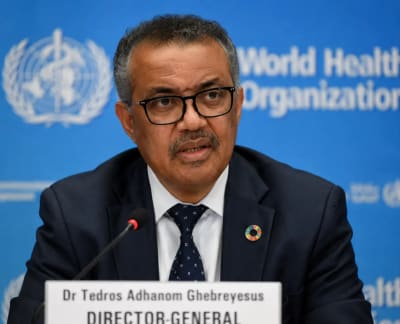
While the Federal Government has not yet formally responded to the experts’ recommendations, the World Health Organization has repeatedly stressed the importance of strengthening primary healthcare as a cornerstone of universal health coverage. In its 2023 report on Nigeria’s health system, the WHO emphasized that sustainable progress requires not just increased funding but also better coordination among existing agencies, improved data collection, and targeted investments in healthcare workforce development.
Prevention and Safety Guidance
For policymakers, the message is clear: prioritize functional solutions over symbolic gestures. This includes:
- Allocating sufficient budgetary resources to healthcare, in line with the Abuja Declaration’s target of 15% of national budgets.
- Implementing policies to retain and train healthcare workers, particularly in underserved regions.
- Strengthening primary healthcare infrastructure to ensure equitable access to essential services.
- Improving inter agency collaboration to reduce duplication and streamline service delivery.
What Readers Should Know
For Nigerian citizens, the takeaway is twofold. First, the creation of new health agencies is unlikely to translate into better healthcare in the short term. Second, meaningful change will require sustained advocacy for improved funding, transparency, and accountability in the health sector. Patients and communities can play a role by engaging with local health authorities, demanding better services, and holding leaders accountable for promises made.
Ultimately, the path to a stronger healthcare system lies not in more bureaucracy but in a commitment to addressing the root causes of the sector’s failures. Until then, the status quo will persist, and the most vulnerable will continue to bear the brunt of its shortcomings.
Key Takeaways
- Nigeria’s healthcare challenges are rooted in underfunding, workforce shortages, and poor policy execution, not a lack of agencies.
- Experts argue that creating more agencies will only add bureaucratic layers without improving health outcomes.
- Sustainable solutions require increased funding, better inter agency coordination, and investments in primary healthcare infrastructure.
- Patients and communities must advocate for transparency and accountability to drive meaningful change in the health sector.
Frequently Asked Questions
Why are health experts against creating more agencies in Nigeria?
Experts believe that Nigeria’s healthcare problems stem from inadequate funding, workforce shortages, and poor implementation of existing policies. Adding more agencies would only create additional bureaucracy without addressing these core issues.
What are the main challenges facing Nigeria’s healthcare system?
The primary challenges include chronic underfunding, severe shortages of healthcare workers, poor infrastructure, and weak policy execution. These issues have led to unreliable access to essential healthcare services, particularly in rural areas.
What solutions do experts propose instead of creating new agencies?
Experts recommend focusing on practical solutions such as increasing healthcare funding, improving workforce retention and training, strengthening primary healthcare infrastructure, and enhancing coordination among existing agencies.
How can Nigerian citizens help improve the healthcare system?
Citizens can advocate for better healthcare services by engaging with local health authorities, demanding transparency and accountability, and holding leaders responsible for their commitments to improving the sector.
Medical Review: MedSense Editorial Board













DISCUSSION (0)
POST A COMMENT