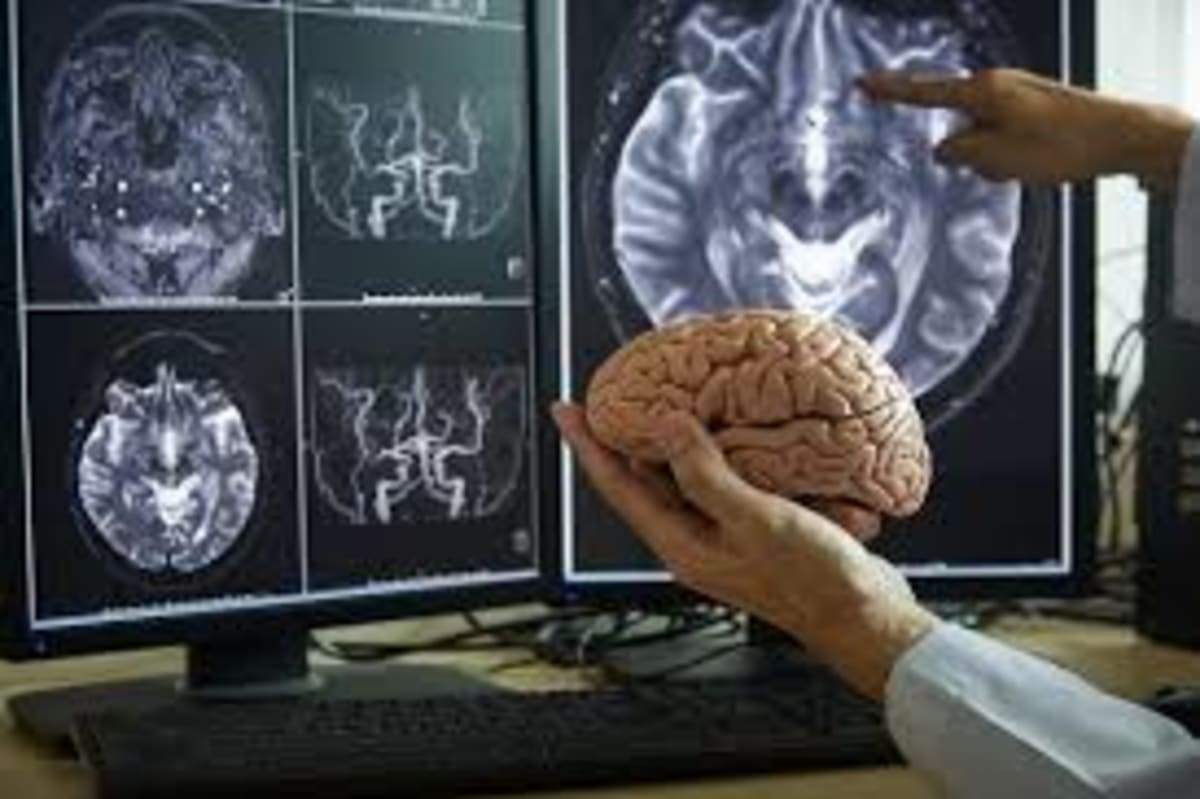
The human brain does not just passively receive spoken words, it actively predicts what will come next, often within milliseconds. This remarkable ability, long suspected by neuroscientists, has now been confirmed in a study that reveals striking parallels between human neural processing and artificial intelligence language models. Researchers from Friedrich Alexander Universität Erlangen Nürnberg and Heidelberg University used advanced brain imaging and AI benchmarks to demonstrate how the brain anticipates speech, offering fresh insights into both human cognition and the future of AI development.
Clinical Significance
The study bridges a critical gap between neuroscience and artificial intelligence, showing that the brain’s predictive mechanisms during speech processing closely resemble those used in AI language models. This finding could reshape our understanding of how humans comprehend language in real time and may inform the development of more natural, human like AI systems. For clinicians, it also opens new avenues for exploring speech disorders, auditory processing deficits, and neurodegenerative conditions where predictive language abilities may be impaired.
Deep Dive and Research Findings
The research team, led by PD Dr. Patrick Krauss and PD Dr. Achim Schilling, combined three key methodologies to uncover how the brain predicts speech. Participants listened to natural spoken language while their brain activity was recorded using high resolution electroencephalography (EEG). The team then compared these neural signals to the predictions generated by an AI language model trained on vast amounts of text data.
The results were striking. The brain’s electrical activity mirrored the AI’s word predictions, suggesting that humans and machines rely on similar mechanisms to anticipate language. This predictive processing occurs in mere milliseconds, long before a speaker finishes a sentence. The study also found that the brain’s predictions are not static but adapt dynamically based on context, much like modern AI models adjust their outputs in real time.
Future Outlook and Medical Implications
This research could have far reaching implications for both neuroscience and AI. For neuroscientists, it provides a clearer picture of how the brain processes language, which may help in diagnosing and treating conditions like aphasia, dyslexia, or age related cognitive decline. For AI developers, the findings suggest that mimicking the brain’s predictive strategies could lead to more efficient and human like language models.
Future studies may explore whether these predictive mechanisms extend beyond language to other cognitive functions, such as decision making or motor planning. Additionally, researchers could investigate how these processes differ in individuals with neurological disorders, potentially leading to targeted therapies or assistive technologies.
Patient or Practitioner Guidance
For healthcare professionals, this study underscores the complexity of human speech processing and the importance of considering predictive language abilities in clinical assessments. Speech therapists, neurologists, and psychologists may find these insights useful when evaluating patients with communication disorders. Patients and caregivers, meanwhile, can take comfort in knowing that science is uncovering the intricate workings of the brain, paving the way for better diagnostic tools and treatments.
For the general public, the study serves as a reminder of the brain’s extraordinary capabilities. While AI continues to advance, the human brain remains the most sophisticated predictive machine we know, one that scientists are only beginning to fully understand.
Key Takeaways
- The human brain predicts upcoming words in milliseconds, similar to AI language models.
- This predictive ability is dynamic and adapts based on context, much like modern AI systems.
- The findings could improve our understanding of speech disorders and inform the development of more human like AI.
- High resolution brain imaging and AI benchmarks were used to confirm these neural mechanisms.
Frequently Asked Questions
How does the brain predict words before they are spoken?
The brain uses context and prior knowledge to anticipate upcoming words in a sentence. This process happens automatically and rapidly, often within milliseconds, as demonstrated by the study’s comparison of neural activity to AI language model predictions.
What does this study mean for artificial intelligence?
The study suggests that AI language models may benefit from incorporating the brain’s predictive strategies. By mimicking how humans anticipate speech, AI systems could become more efficient and natural in their language processing.
Could this research help people with speech disorders?
Yes. Understanding how the brain predicts language could lead to better diagnostic tools and therapies for conditions like aphasia, dyslexia, or neurodegenerative diseases that affect speech processing.
What methods did the researchers use in this study?
The team combined natural listening tasks, high resolution EEG recordings of brain activity, and comparisons with an AI language model to analyze how the brain predicts speech.
Medical Review: MedSense Editorial Board




















DISCUSSION (0)
POST A COMMENT