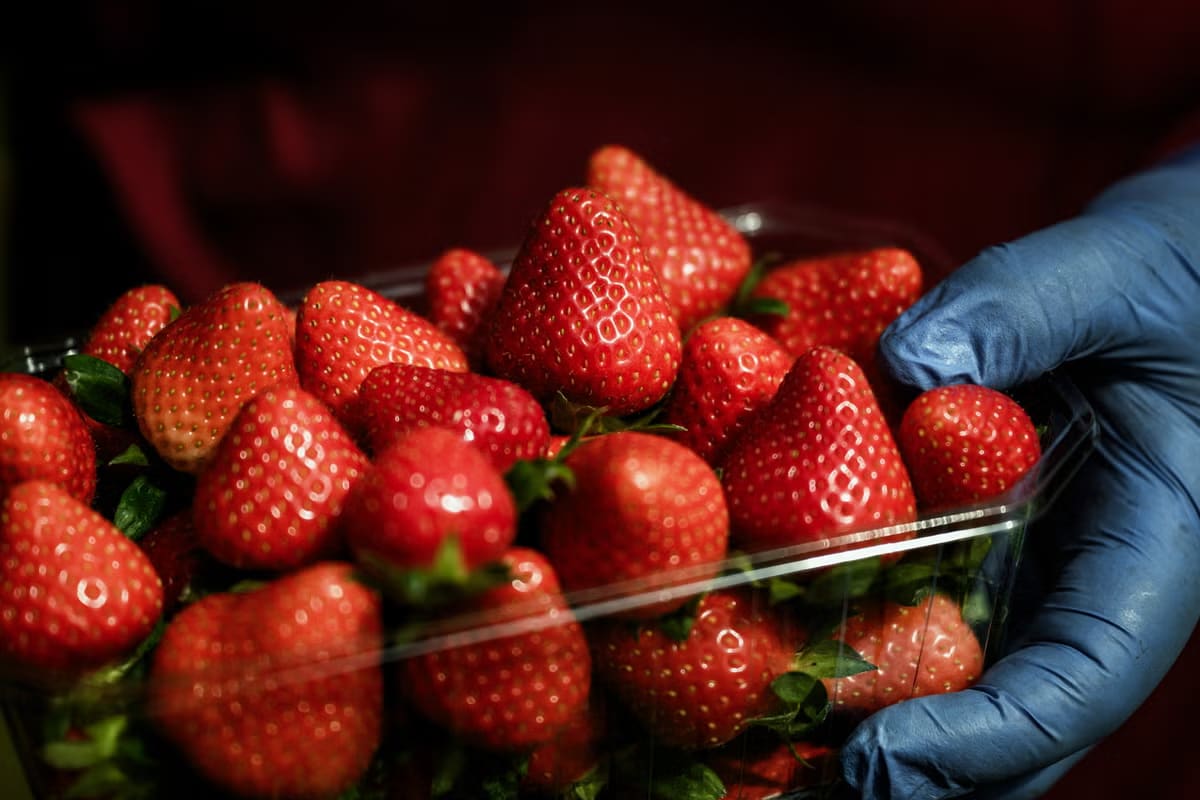
For decades, public health guidance has urged five daily servings of fruits and vegetables as a cornerstone of heart health. Yet emerging research suggests that not all produce is created equal when it comes to delivering a key group of nutrients called flavanols. A study tracking 30,000 adults in the U.S. and U.K. found that even those meeting the five a day target often fall short of optimal flavanol intake, potentially missing out on cardiovascular benefits linked to these plant based compounds. The findings, published in *Food and Function*, highlight a gap between general dietary recommendations and the specific foods that may offer the greatest protective effects. While the NHS and other health authorities continue to endorse broad fruit and vegetable consumption, researchers now argue that a more targeted approach, prioritizing flavanol rich options like blueberries, blackberries, and green tea, could enhance heart health outcomes without requiring major dietary overhauls.
Clinical Significance
Flavanols, a subclass of flavonoids, are bioactive compounds found in plants that have been linked to improved vascular function, reduced inflammation, and lower blood pressure. Unlike vitamins or minerals, flavanols are not classified as essential nutrients, but observational studies suggest they play a supportive role in cardiovascular health. The new research, led by scientists at the University of Reading and funded in part by Mars Inc, used urinary biomarkers to measure flavanol intake more accurately than traditional dietary surveys, which often rely on self reported data.
The study found that fewer than 20% of participants consumed the estimated beneficial daily intake of 500mg of flavanols. This shortfall persisted even among those who met the five a day guideline, underscoring that not all fruits and vegetables contribute equally to flavanol levels. For example, while apples and bananas are popular choices, they contain significantly lower flavanol concentrations than berries or broad beans.
Deep Dive and Research Findings
Lead investigator Dr. Javier Ottaviani emphasized that the study does not undermine the five a day recommendation but rather refines it. "Most people assume that eating plenty of fruit and vegetables covers all nutritional bases, but this research shows that the specific choices matter far more than the total amount," he said. The team identified a handful of foods that consistently ranked highest in flavanol content per serving: blueberries, plums, blackberries, broad beans, cherries, and green tea.
The variability in flavanol content extends beyond food type. Factors such as growing conditions, ripeness, storage, and processing can all influence levels. For instance, a plum grown in one region may contain twice the flavanols of a plum grown elsewhere. This complexity makes it difficult to set a universal recommended daily intake, though the U.S. Academy of Nutrition and Dietetics suggests 500mg as a target for cardiovascular benefits.
The study also explored the role of gut bacteria in flavanol absorption. Dell Stanford, a spokesperson for the British Heart Foundation, noted that individual differences in gut microbiota can affect how efficiently flavanols are metabolized. "Our gut bacteria help break down these compounds into forms the body can use, but everyone’s microbiome is unique," she explained. This variability may explain why some people experience greater benefits from flavanol rich diets than others.
Future Outlook and Medical Implications
The research arrives at a time when precision nutrition, tailoring dietary advice to individual needs, is gaining traction. While the findings suggest that flavanol rich foods could complement existing heart health strategies, experts caution against overstating the evidence. Professor Naveed Sattar of the University of Glasgow pointed out that while small trials have shown flavanols may improve blood pressure, there is no definitive proof yet that they reduce heart attacks or strokes. "More trials are needed before we can recommend flavanols as a way to reduce cardiovascular events," he said.
For now, the British Heart Foundation and the British Nutrition Foundation continue to advocate for a balanced diet rich in a variety of fruits and vegetables. However, the new data may prompt future updates to dietary guidelines, particularly as researchers refine their understanding of how specific nutrients interact with individual biology.
Patient or Practitioner Guidance
For individuals looking to optimize their flavanol intake, the study offers practical takeaways. Swapping out lower flavanol fruits like apples or oranges for berries, cherries, or plums can boost intake without increasing portion sizes. Green tea, which is naturally rich in flavanols, can be incorporated as a daily beverage. Broad beans, though less commonly consumed, are another potent source and can be added to salads or stews.
Healthcare providers may use these findings to offer more nuanced dietary advice, particularly for patients at higher risk of cardiovascular disease. However, experts stress that flavanols should be viewed as one component of a broader heart healthy diet, not a standalone solution. The NHS currently does not set a recommended daily flavanol intake, but the study’s authors suggest that 500mg per day could serve as a useful benchmark for those aiming to maximize cardiovascular benefits.
For those considering flavanol supplements, caution is warranted. The British Heart Foundation notes that the flavanol content in commercial products, including dark chocolate and cocoa supplements, can vary widely. While dark chocolate contains more flavanols than milk chocolate, the actual amount depends on processing methods and cocoa content. Two squares of dark chocolate may provide between 22mg and 73mg of flavanols, far below the 500mg target.
Key Takeaways
- Not all fruits and vegetables provide equal amounts of heart protective flavanols; berries, cherries, broad beans, and green tea are among the richest sources.
- Fewer than 20% of adults in the study met the estimated beneficial daily intake of 500mg of flavanols, even if they consumed five servings of produce daily.
- Flavanol absorption varies by individual due to differences in gut bacteria, growing conditions, and food processing methods.
- While flavanols show promise for cardiovascular health, more research is needed before they can be recommended as a primary strategy for preventing heart disease.
- Current public health advice still emphasizes a balanced diet with a variety of fruits and vegetables, but future guidelines may incorporate more targeted recommendations.
Frequently Asked Questions
What are flavanols, and why are they important for heart health?
Flavanols are a type of antioxidant found in plants that have been linked to improved blood vessel function, reduced inflammation, and lower blood pressure. While not classified as essential nutrients, they may support cardiovascular health by enhancing circulation and vascular elasticity.
Which foods are the best sources of flavanols?
The highest flavanol foods identified in the study include blueberries, blackberries, plums, cherries, broad beans, and green tea. These options provide significantly more flavanols per serving than common choices like apples or bananas.
Do I need to take flavanol supplements to get enough?
Most experts recommend obtaining flavanols through whole foods rather than supplements. The flavanol content in supplements and processed foods like chocolate can vary widely, and there is no established daily recommended intake. A diet rich in flavanol dense fruits, vegetables, and beverages is the most reliable approach.
Can flavanols replace other heart healthy habits like exercise or medication?
No. Flavanols should be viewed as one component of a broader heart healthy lifestyle. They are not a substitute for regular physical activity, prescribed medications, or other evidence based strategies for preventing cardiovascular disease.
Why does the flavanol content in foods vary so much?
Several factors influence flavanol levels, including where the food is grown, soil quality, climate, ripeness at harvest, storage conditions, and processing methods. For example, a plum grown in one region may contain twice the flavanols of a plum grown elsewhere.
Medical Review: MedSense Editorial Board























DISCUSSION (0)
POST A COMMENT