
What Happened
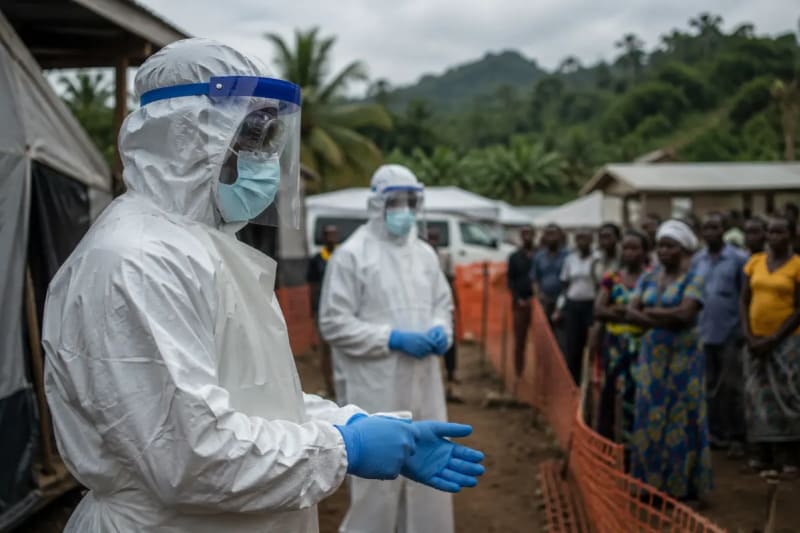
The Ebola and Marburg viruses, both members of the filovirus family, have caused repeated outbreaks in Central and West Africa over the past decade. Ebola, in particular, gained global attention during the 2014 2016 West Africa epidemic, which resulted in over 11,000 deaths and exposed critical weaknesses in international outbreak response. More recently, outbreaks in the Democratic Republic of the Congo and Guinea have underscored the persistent threat these viruses pose, not just to local communities but to global health security.
Marburg, though less widely known, is equally deadly. With a case fatality rate that can exceed 80%, it has caused sporadic but devastating outbreaks, most recently in Equatorial Guinea and Tanzania in 2023. These events have reignited debates about the adequacy of current diagnostic tools, which are often designed to detect only specific, well characterized pathogens. When a new or unexpected virus emerges, these tools can fail, leaving health workers blind to the threat until cases begin to mount.
Why Public Health Officials Are Concerned
The core issue, as Kuppalli and Mbala highlight, is that pathogen specific diagnostics are inherently reactive. They rely on prior knowledge of a virus’s genetic sequence or protein structure, which means they can only detect what scientists already know to look for. This approach works well for familiar pathogens like influenza or measles but falls short when faced with something new or unexpected.
In contrast, pathogen agnostic diagnostics are designed to detect any genetic material or protein signature, regardless of whether the pathogen has been previously identified. These systems, which include technologies like metagenomic sequencing and broad spectrum PCR, can theoretically identify any virus, bacterium, or other microbe in a sample. The advantage is clear: they don’t require scientists to know what they’re looking for in advance, making them far more adaptable to emerging threats.
The limitations of pathogen specific diagnostics were starkly illustrated during the early days of the COVID 19 pandemic. Initial diagnostic tests for SARS CoV 2 were delayed because the virus’s genetic sequence was unknown. Even after the sequence was published, global shortages of reagents and testing kits hampered early detection efforts. A pathogen agnostic approach could have accelerated the identification of the novel coronavirus, potentially buying critical time for containment.
Who May Be Affected
The implications of this diagnostic gap extend far beyond Ebola and Marburg. Any community or country at risk of emerging infectious diseases, whether from zoonotic spillover, antimicrobial resistance, or bioterrorism, stands to benefit from pathogen agnostic systems. This includes:
- Low and middle income countries: Regions with limited laboratory infrastructure often bear the brunt of emerging outbreaks. Pathogen agnostic diagnostics could level the playing field by reducing dependence on specialized reagents and equipment.
- Frontline healthcare workers: Clinicians in outbreak zones are often the first to encounter novel pathogens. Faster, more accurate diagnostics would enable them to isolate cases sooner, reducing transmission risks.
- Global travelers and trade networks: In an interconnected world, a localized outbreak can quickly become a global threat. Early detection at points of entry, such as airports or border crossings, could prevent international spread.
- Vulnerable populations: Refugees, displaced communities, and those living in crowded or unsanitary conditions are at heightened risk of infectious disease outbreaks. Rapid diagnostics could help contain spread in these settings before it escalates.
Government and WHO Response
The World Health Organization has long recognized the need for stronger global surveillance systems. In 2022, the WHO launched the Hub for Pandemic and Epidemic Intelligence, a collaborative platform aimed at improving early detection and response to health threats. The hub emphasizes the importance of data sharing, advanced analytics, and innovative diagnostics, including pathogen agnostic technologies.
Similarly, the U.S. Centers for Disease Control and Prevention has invested in metagenomic sequencing as part of its Advanced Molecular Detection program, which aims to modernize infectious disease surveillance. The European Centre for Disease Prevention and Control has also highlighted the potential of these technologies in its strategic plans for pandemic preparedness.
However, experts argue that progress has been too slow. Kuppalli and Mbala point out that funding for pathogen agnostic research remains limited, and many countries lack the infrastructure to implement these technologies at scale. Without urgent action, they warn, the world will remain dangerously unprepared for the next pandemic.
Prevention and Safety Guidance
While pathogen agnostic diagnostics represent a promising solution, they are not a silver bullet. Effective pandemic preparedness requires a multi layered approach, including:
- Strengthening laboratory capacity: Countries must invest in training, equipment, and infrastructure to support advanced diagnostic technologies. This includes expanding access to sequencing platforms and bioinformatics tools.
- Improving global surveillance: Early warning systems, such as those based on wastewater monitoring or syndromic surveillance, can help detect unusual patterns of illness before cases surge.
- Enhancing data sharing: Real time sharing of genomic and epidemiological data between countries is critical for tracking emerging threats. Initiatives like the WHO’s Global Influenza Surveillance and Response System provide a model for how this can work.
- Investing in research and development: Governments and private funders must prioritize research into next generation diagnostics, therapeutics, and vaccines. This includes supporting public private partnerships to accelerate innovation.
- Community engagement: Outbreak response is most effective when communities are informed and involved. Public health campaigns should focus on building trust, dispelling misinformation, and encouraging early reporting of symptoms.
What Readers Should Know
The shift toward pathogen agnostic diagnostics is not just a technical challenge, it’s a paradigm shift in how the world approaches infectious disease surveillance. For decades, global health systems have operated under the assumption that we can predict and prepare for specific threats. The reality, as Ebola and Marburg have shown, is far more unpredictable. The next pandemic could emerge from a bat cave in Congo, a wet market in Southeast Asia, or a laboratory in Europe. What matters is not where it comes from, but how quickly we can detect and respond to it.
For individuals, this means staying informed about emerging health threats and understanding the importance of early detection. It also means advocating for stronger public health systems, both locally and globally. The COVID 19 pandemic demonstrated how interconnected our world is, and how quickly a localized outbreak can become a global crisis. The lessons from Ebola and Marburg are clear: the time to prepare for the next pandemic is now.
Key Takeaways
- Ebola and Marburg outbreaks highlight the limitations of pathogen specific diagnostics, which can only detect known threats and often fail to identify novel viruses early.
- Pathogen agnostic diagnostics, such as metagenomic sequencing, can detect any genetic material in a sample, offering a more adaptable and proactive approach to outbreak detection.
- Global health agencies like the WHO and CDC are investing in these technologies, but funding and infrastructure gaps remain significant barriers to widespread adoption.
- Effective pandemic preparedness requires a multi layered strategy, including stronger laboratory capacity, improved surveillance, data sharing, and community engagement.
- The shift toward pathogen agnostic systems represents a fundamental change in how the world monitors and responds to infectious disease threats.
Frequently Asked Questions
What are pathogen agnostic diagnostics?
Pathogen agnostic diagnostics are testing systems designed to detect any genetic material or protein signature in a sample, regardless of whether the pathogen has been previously identified. Unlike traditional diagnostics, which target specific, known pathogens, these systems can identify novel or unexpected viruses, bacteria, or other microbes.
Why are Ebola and Marburg outbreaks relevant to global pandemic preparedness?
Ebola and Marburg are highly lethal viruses that have caused repeated outbreaks in Africa, often with unpredictable patterns. Their emergence has exposed critical gaps in global health security, particularly the limitations of pathogen specific diagnostics. These outbreaks serve as a warning for how quickly a localized threat can escalate if not detected and contained early.
How could pathogen agnostic diagnostics have helped during the COVID 19 pandemic?
During the early days of COVID 19, diagnostic tests were delayed because the genetic sequence of SARS CoV 2 was unknown. Pathogen agnostic systems, such as metagenomic sequencing, could have identified the novel coronavirus faster, potentially accelerating containment efforts and reducing global spread.
What are the challenges to implementing pathogen agnostic diagnostics globally?
Key challenges include limited funding for research and development, insufficient laboratory infrastructure in low and middle income countries, and the need for specialized training to operate advanced diagnostic technologies. Additionally, global coordination and data sharing remain critical hurdles.
What can individuals do to support pandemic preparedness?
Individuals can stay informed about emerging health threats, follow public health guidance during outbreaks, and advocate for stronger investment in global health systems. Supporting policies that prioritize research, surveillance, and equitable access to diagnostics and vaccines can also make a difference.
Medical Review: MedSense Editorial Board























DISCUSSION (0)
POST A COMMENT