
What Happened
Ellie Colton, now a presenter for BBC Radio Sheffield, first experienced symptoms of endometriosis as a teenager. The pain was debilitating, yet medical professionals repeatedly told her it was just part of being a woman. It wasn’t until she was 24 that she finally received a diagnosis, confirming what she had suspected for years. Her experience highlights a systemic issue in women’s healthcare: the persistent delay in diagnosing endometriosis, a chronic and often painful condition where tissue similar to the lining of the uterus grows outside the womb.
Why Public Health Officials Are Concerned
Endometriosis affects an estimated 190 million women globally, yet diagnosis remains a significant challenge. The condition is frequently misdiagnosed as irritable bowel syndrome, pelvic inflammatory disease, or even dismissed as psychological. This delay not only prolongs suffering but can also lead to complications such as infertility, chronic pain, and reduced quality of life. Public health experts warn that the lack of early intervention can result in unnecessary surgeries, prolonged use of painkillers, and increased healthcare costs.
Symptoms or Risk Factors
Endometriosis symptoms often overlap with other conditions, making it difficult to identify. Common signs include:
- Severe menstrual cramps that interfere with daily activities
- Chronic pelvic pain, even outside of menstruation
- Pain during intercourse or bowel movements
- Heavy or irregular periods
- Fatigue, bloating, and digestive issues
- Infertility or difficulty conceiving
Risk factors include a family history of endometriosis, early onset of menstruation, and short menstrual cycles. However, the condition can affect any woman of reproductive age, regardless of background.
Who May Be Affected
Endometriosis primarily affects women and girls of reproductive age, typically between 15 and 49. However, cases have been reported in adolescents as young as 11 and in postmenopausal women. The condition is often underreported in younger patients, as symptoms are frequently attributed to normal puberty or dismissed as exaggerated complaints. Transgender men and nonbinary individuals who retain female reproductive organs may also be affected but face additional barriers to diagnosis due to healthcare biases.
Government and Healthcare Response
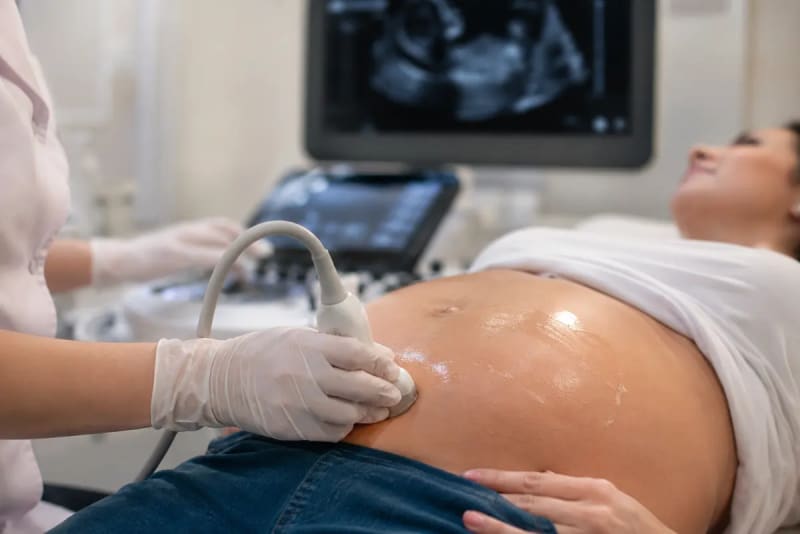
In recent years, some governments and healthcare organizations have begun to address the diagnostic gap. The UK’s National Institute for Health and Care Excellence (NICE) updated its guidelines in 2017 to recommend earlier referral for suspected endometriosis, including the use of ultrasound or MRI scans. However, advocates argue that implementation remains inconsistent, with many patients still facing long waits for specialist care. In the U.S., the Endometriosis Foundation of America has pushed for increased funding for research and public awareness campaigns, while the European Society of Human Reproduction and Embryology (ESHRE) has called for standardized diagnostic protocols.
Prevention and Safety Guidance
While there is no known way to prevent endometriosis, early diagnosis and management can significantly improve quality of life. Women and girls experiencing persistent pelvic pain or other symptoms should:
- Keep a detailed symptom diary to share with healthcare providers
- Seek a second opinion if symptoms are dismissed or misdiagnosed
- Request referral to a gynecologist or endometriosis specialist
- Advocate for diagnostic imaging, such as transvaginal ultrasound or MRI
- Explore pain management strategies, including hormonal treatments or physical therapy
For healthcare providers, the emphasis should be on listening to patients and considering endometriosis as a potential diagnosis, particularly in cases of unexplained chronic pain.
What Readers Should Know
Endometriosis is not just a bad period. It is a chronic, often debilitating condition that requires medical attention. If you or someone you know is experiencing persistent pelvic pain, heavy bleeding, or other concerning symptoms, it is crucial to seek help. Advocacy and awareness are key to reducing diagnostic delays and improving outcomes for millions of women worldwide. Organizations like Endometriosis UK and the Endometriosis Foundation of America offer resources and support for patients and families navigating this condition.
Key Takeaways
- Endometriosis affects one in ten women globally, yet diagnosis often takes seven to nine years due to misdiagnosis or dismissal of symptoms.
- Early intervention can prevent complications such as infertility, chronic pain, and reduced quality of life, but systemic barriers in healthcare persist.
- Women and girls experiencing persistent pelvic pain or other symptoms should advocate for themselves, seek specialist care, and consider diagnostic imaging.
Frequently Asked Questions
What is endometriosis?
Endometriosis is a chronic condition where tissue similar to the lining of the uterus grows outside the womb, causing pain, inflammation, and potential complications such as infertility.
Why does it take so long to diagnose endometriosis?
Diagnosis is often delayed due to symptoms being dismissed as normal menstrual pain, lack of awareness among healthcare providers, and the need for specialized imaging or laparoscopic surgery for confirmation.
What are the treatment options for endometriosis?
Treatment may include pain management, hormonal therapies, physical therapy, or surgery to remove endometrial tissue. The approach depends on the severity of symptoms and individual patient needs.
Can endometriosis be cured?
There is currently no cure for endometriosis, but symptoms can be managed effectively with early diagnosis and appropriate treatment. Research into better therapies and potential cures is ongoing.
How can I support someone with endometriosis?
Listen to their experiences, validate their pain, and encourage them to seek specialist care. Educate yourself about the condition and offer practical support, such as helping with daily tasks during flare ups.
Medical Review: MedSense Editorial Board



















DISCUSSION (0)
POST A COMMENT